Transport Deputy Rejects Claims Government Stalling Budget Debate
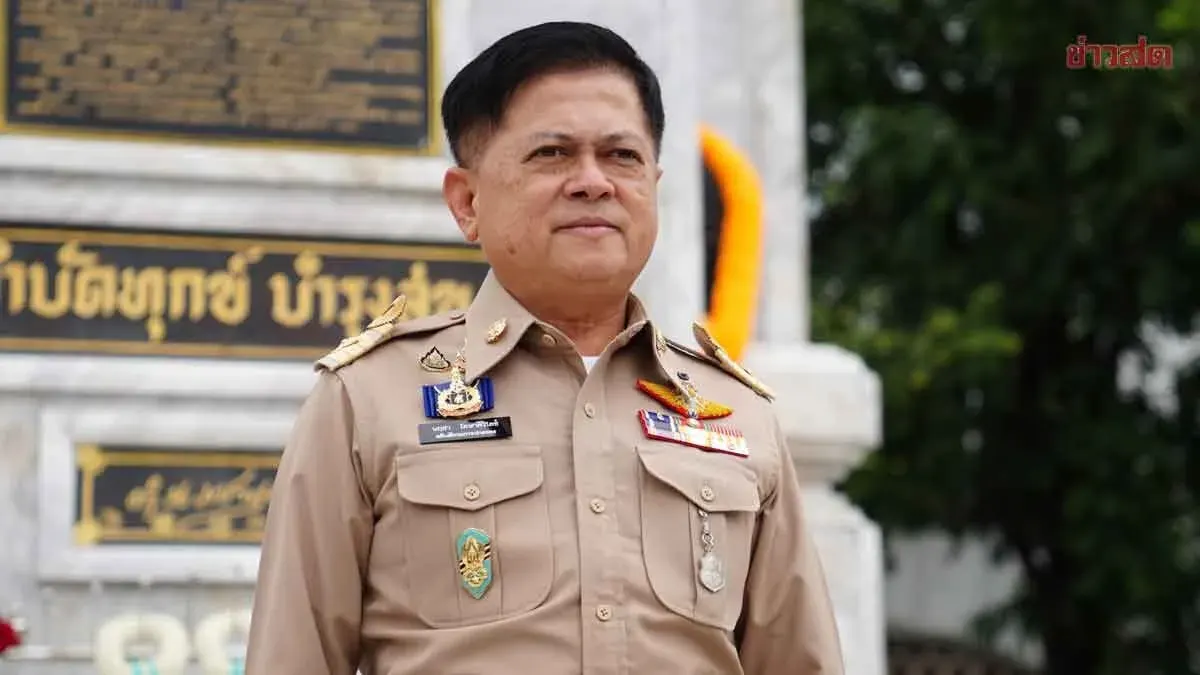
Transport Deputy Minister Siripong Angsukulkiarti denied the government is stalling budget debate to block opposition review of an Election Commission report, saying any delays depend on speaking time from both sides rather than deliberate
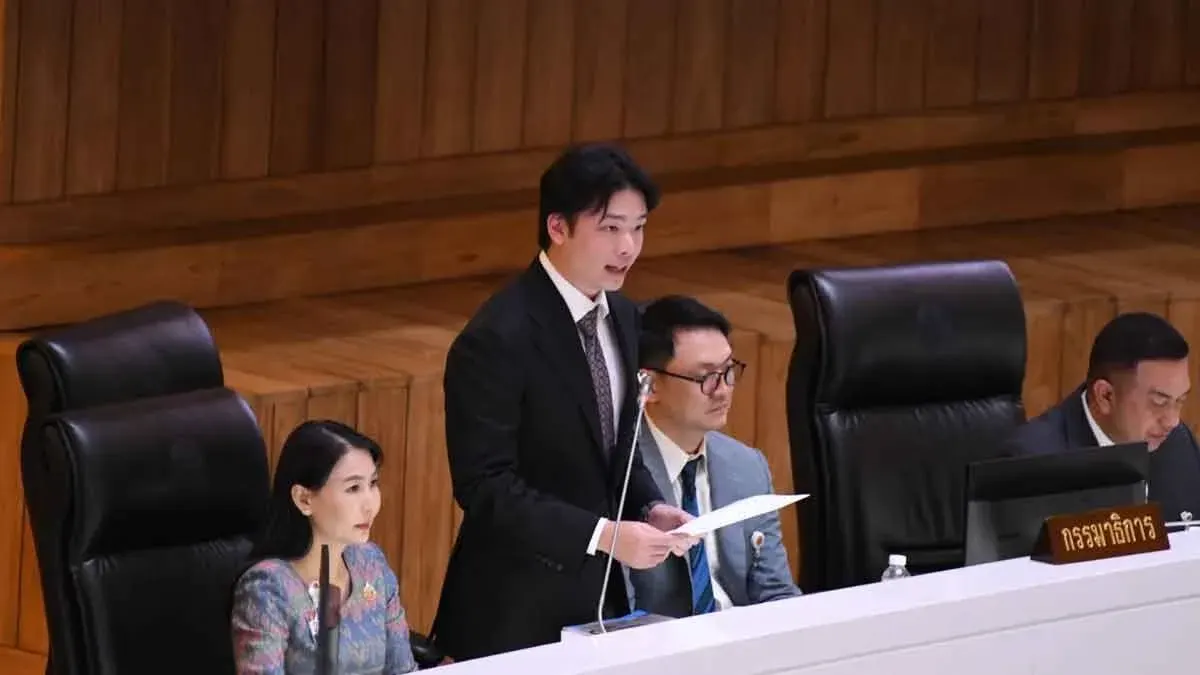
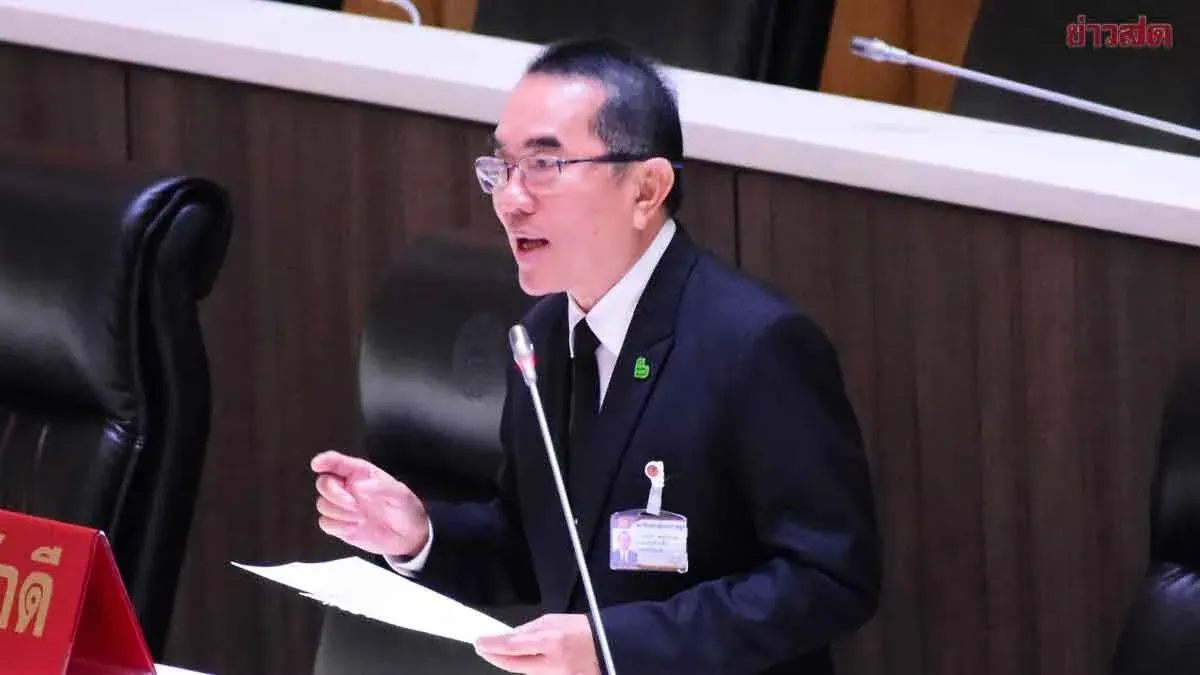
On September 9 at Parliament, Transport Deputy Minister Siripong Angsukulkiarti rejected opposition concerns that deliberations on the 2570 fiscal budget bill could overrun and prevent consideration of the Election Commission's report on September 10. He stated the government is already working to shorten debate time, with budget discussions typically taking 3–4 days. Whether the deadline is met depends on whether both sides reduce their speaking time, he said. If members from both camps wish to speak extensively, proceedings may run over.
When asked whether the government is blocking opposition review of the Election Commission report, Siripong said this requires discussion between the opposition and government, and both whips are already consulting. Any time delay depends on the number of speakers from each side. Regarding the Interior Ministry budget alone, he estimated 4–5 hours of debate would be needed. He noted that if the opposition speaks at length and then accuses the government of stalling, that would be inconsistent—nor would it be appropriate to allow only the opposition to speak while denying the government equal time. Both sides should receive equal debate opportunity.
On planned rallies and marches on September 13 calling for the Election Commission to prosecute Senate members in a disputed case, Siripong said society should understand that Phue Thai is already facing allegations over Senate selection processes. If the Election Commission's findings displease the opposition, they may accuse it of government pressure—yet the opposition itself is pressuring the Commission through street demonstrations.
Siripong allowed that gatherings in public spaces without disrupting traffic are permissible, but cautioned that road closures or long marches causing widespread disruption to citizens' lives should be carefully considered. He posed a critical question: if the Election Commission does not rule as protesters expect, what happens next? And if targeted Senate members are prosecuted and removed, who truly benefits—presumably those on the replacement list, raising the question of which faction they represent.
On opposition leaders joining the protests themselves, Siripong suggested this may be framed publicly as serving the common good, but those following politics already know the true political objective.