Udon Thani Eyes Global Horticultural Expo 2026
Udon Thani has been approved to host the International Horticultural Expo 2026, a Category B event expected to draw 3.6 million visitors and generate over 32 billion baht in economic activity through November 2026 to March 2027.
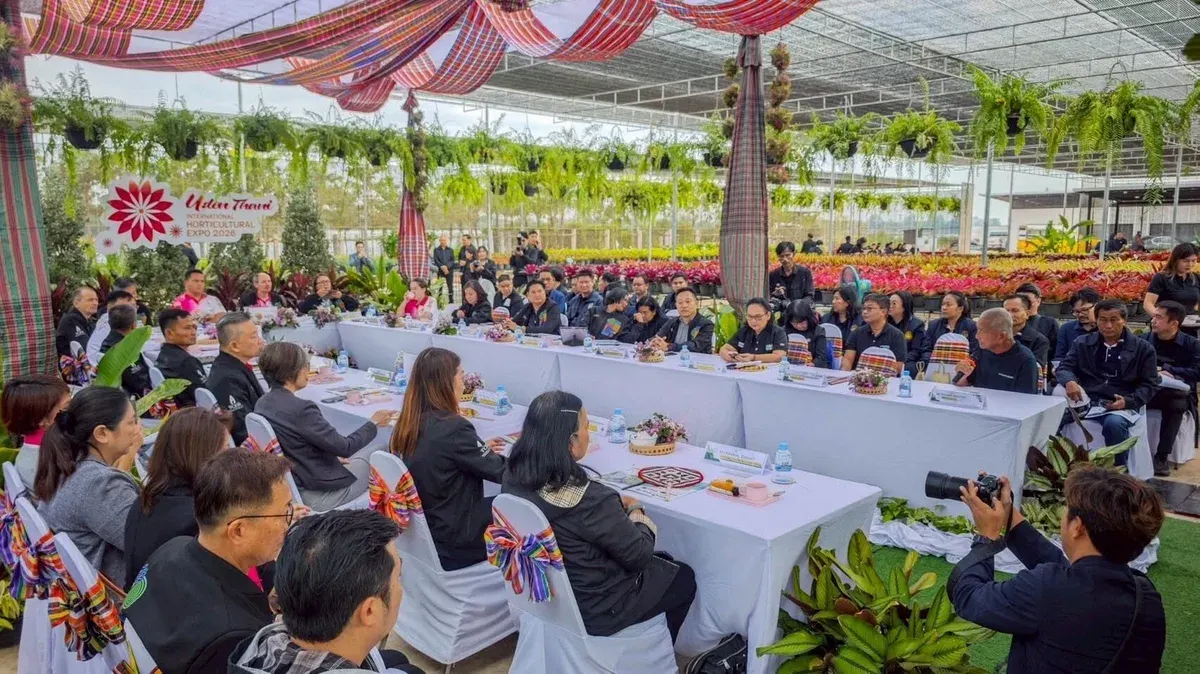
Every time Thailand hosts a world-class event, the spotlight captures moments of success, thunderous applause, dignified signings, and the declaration that "Thailand has been selected." But before that day arrives, there is quiet work behind the scenes—assessing city potential, mapping strategies, gathering allies, and creating a large "Bid Book" to present the city's case to international committees. The crucial question isn't simply "How does a city qualify to host a global event?" but rather "How can a city use that opportunity to transform its future?" People see the "victory day," but behind it lies city-building. For ordinary citizens, hosting a world event may seem like good news that happens in a single day, but in the world of international bidding, the announcement is only the finish line of the first chapter. Quality global events are measured not by "how well it was organized" but by "the potential to deliver lasting legacy after the event ends." Udon Thani's case clearly reflects this strategy. The Udon Thani International Horticultural Expo 2026 has been approved by the International Association of Horticultural Producers (AIPH) as a Category B event, scheduled for November 1, 2569 to March 14, 2570 at Nong Dae wetlands in Muang Udon Thani district, covering 1,650,000 square meters. The theme is "Diversity of Life: Connecting People, Water and Plants for Sustainable Living," expecting 3.6 million visitors from approximately 20 countries. Hosting rights reflect coordination among the entire city, province, central government, local authorities, private sector, communities, and international partners to build confidence that the city can successfully host and deliver lasting value. The heart of bidding for world-class events is that cities begin transforming from the moment they decide to compete. When Udon Thani announced its candidacy, the city had to completely reassess itself and identify its strengths. The Thai government and the Thailand Convention and Exhibition Bureau (TCEB), along with local authorities, project the expo will attract over 3.6 million visitors, generating 32,000 billion baht in economic circulation, creating over 20,000 billion baht in GDP, stimulating 81,000 jobs, and generating approximately 7,700 billion baht in tax revenue. These funds flow directly to hotels, restaurants, transport, community enterprises, farmers, and service sectors. This is why "hosting" means more than welcoming visitors—when properly designed, a world event becomes a mechanism for cities to elevate themselves before, during, and after. When applause fades on opening day, what must remain with the city forever is infrastructure.