US Midterm Scenarios Could Cut Thai Tariffs and Oil Prices
A Rangsit University economist outlines two scenarios for Thailand's economy depending on the 2026 US midterm results. If Democrats win both chambers, Section 301 tariffs on Thai forced-labor goods could fall from 12.5% to 10%, and Brent crude could drop 9.7%, lowering Thai inflation by up to 0.25 percentage points. The government is urged to negotiate tariff cuts, prepare supply-chain documentation, monitor oil volatility, and diversify export markets.
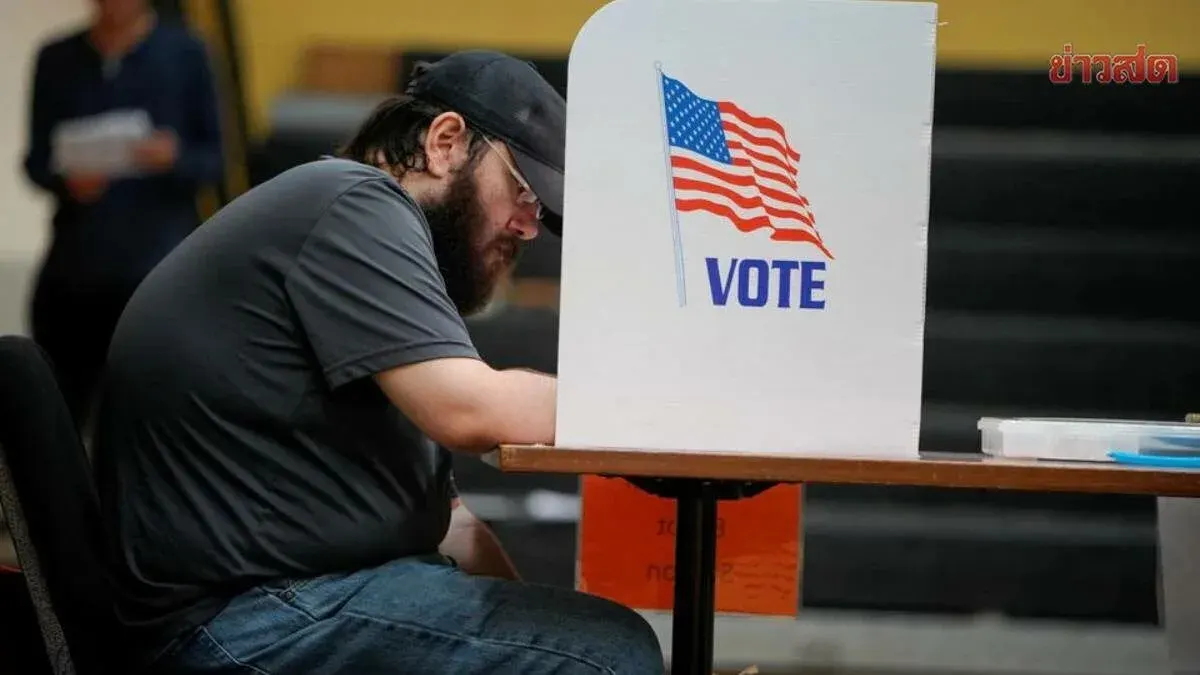
Assistant Professor Dr. At Pisanwanich of Rangsit University's Faculty of Economics analyzes how the 2026 US midterm elections could affect Thailand. The November 2024 election gave Republicans control of both chambers with 220 House seats and 53 Senate seats. Before the 2026 midterms, Republicans held 218 House seats and 53 Senate seats. On November 4, 2026 (Thai time), various outlets forecast the midterms pointing in the same direction: Democrats have a high chance of winning the House, but the Senate remains uncertain.
If Democrats control both chambers, it would be positive for the Iran conflict and global economy. Two scenarios are projected with different impacts on domestic policy, the Iran war, Trump tariffs, and trade barriers:
Scenario 1 (65% probability): Democrats win both chambers, or at least the House. With a congressional majority, Democrats could negotiate military funding for Iran operations and push legislation limiting presidential power to raise import tariffs. If Iran negotiations progress and shipping through the Strait of Hormuz eases, Brent crude could fall from $103.60 to $93.60 per barrel, a 9.7% drop. If lower costs pass through to Thai retail fuel prices dropping 3-5%, and energy carries a 5% weight in Thailand's CPI, headline inflation would be 0.15-0.25 percentage points below baseline.
For Thai goods facing Section 301 tariffs on forced labor at 12.5%, there is a chance they could drop to 10% because a Democratic Congress would pass laws curbing Trump's tariff authority. Thai interest rates and inflation would stay on target.
Scenario 2 (35% probability): Democrats win the House, Republicans keep the Senate. Oil prices may hold at $103.60 or dip below $100 depending on negotiations, while forced-labor tariffs stay at 12.5%.
Regardless, the Thai government should urgently pursue four priorities: 1) Negotiate with USTR to cut Section 301 tariffs from 12.5% to 10% and request product-specific reviews; 2) Prepare verifiable origin and labor documentation for traceability; 3) Manage oil volatility by monitoring Hormuz Strait shipping and preparing aid for vulnerable groups if energy costs rise; 4) Defend the US market and diversify exports, comparing tariffs product-by-product with competitors to retain orders and find new markets.