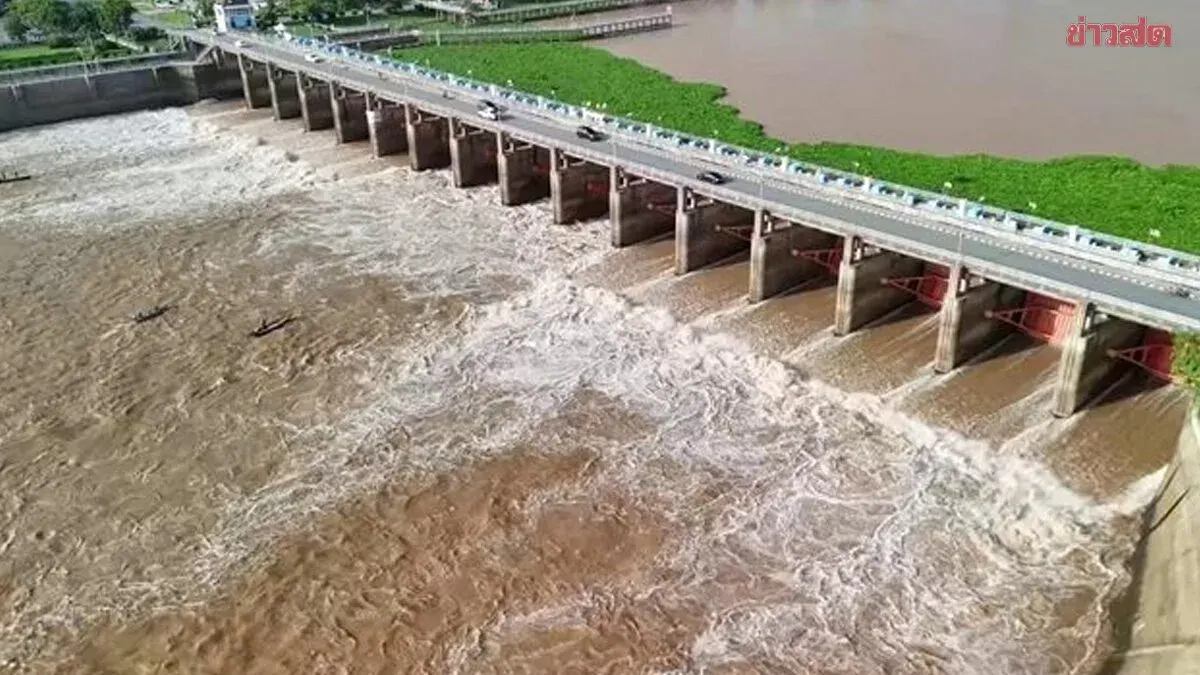
Water Authority Monitors Heavy Rain, Prepares Flood Response
Thailand's Royal Irrigation Department is closely monitoring heavy rainfall and rising water levels across the country, preparing to adjust dam discharge and water management strategies to prevent flooding while maintaining reserves for the
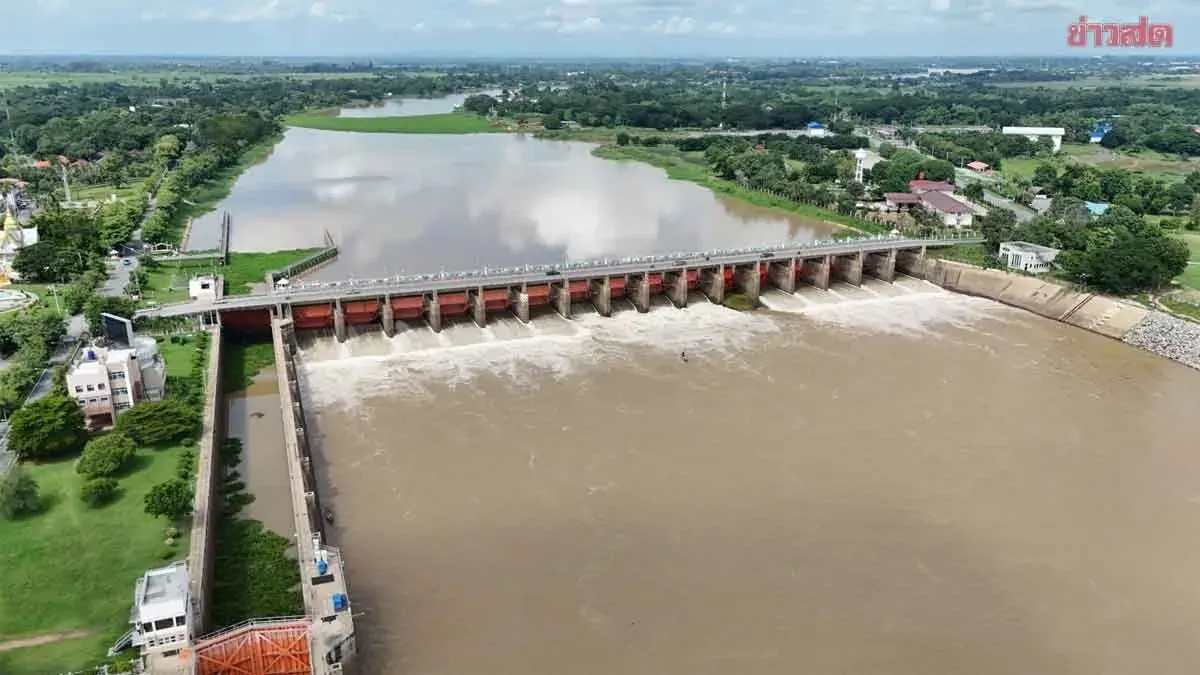
The Royal Irrigation Department is urging all areas to prepare and closely monitor water situations while being ready to adjust water management plans to suit changing conditions. Director-General Withaya Kaewmee said the department is closely tracking weather, rainfall, reservoir levels, and water flow in major river basins, especially the Chao Phraya, while assessing trends and preparing to adjust water management strategies to handle increased inflow from upper regions and minimize harm to people and agricultural areas.
Heavy to very heavy rain fell across many parts of the country last week, with particularly intense rainfall on September 19–20 in Phrae, Chiang Rai, Kamphaeng Phet, and Sukhothai provinces exceeding 100 millimeters and raising water flow in various rivers. More recently, Kamphaeng Phet recorded 146 millimeters and Phichit 136 millimeters of rainfall. In the southern region, the department continues close monitoring due to ongoing heavy rain in many areas and the risk of accumulated rainfall that could trigger flash flooding or inundation in some locations. The department has instructed all irrigation projects nationwide to track rainfall, water volumes, and flow trends closely, especially in areas with accumulated rainfall, so that water management and warnings can be issued to at-risk areas promptly.
Current reservoir levels (September 21) show that large and medium-sized reservoirs nationwide contain approximately 55,000 million cubic meters of water, or 73 percent of total capacity, with room to store an additional 20,000 million cubic meters. The four main dams in the Chao Phraya basin—Bhumibol, Sirikit, Khwae Noi Bhumrung Dan, and Pasak Chonlasit—hold approximately 16,000 million cubic meters, or 68 percent of capacity, and can accommodate another 7,000 million cubic meters.
The department continues monitoring dams with high water levels in the alert zone, including Khun Dan Prakarn Chon, Pasak Chonlasit, and Kaeng Krajeab dams. It is coordinating closely with the Electricity Generating Authority of Thailand and the National Water Resources Office to develop joint water management approaches that allow appropriate discharge, ensure safety, and reduce flood impacts while maintaining adequate water reserves for the approaching dry season.
In the Chao Phraya basin, recent rainfall increases have raised river water volumes. The measurement station at Nakhon Sawan recorded approximately 1,377 cubic meters per second at 6 a.m. on September 21, showing an upward trend from the previous day. The department must gradually increase discharge through Chao Phraya Dam to approximately 1,000–1,300 cubic meters per second to manage upstream water levels and handle flood inflow. The dam is currently discharging about 990 cubic meters per second while managing water through irrigation systems on both banks before downstream release to minimize impact. Discharge at this rate may raise water levels along riverbanks downstream of the dam.