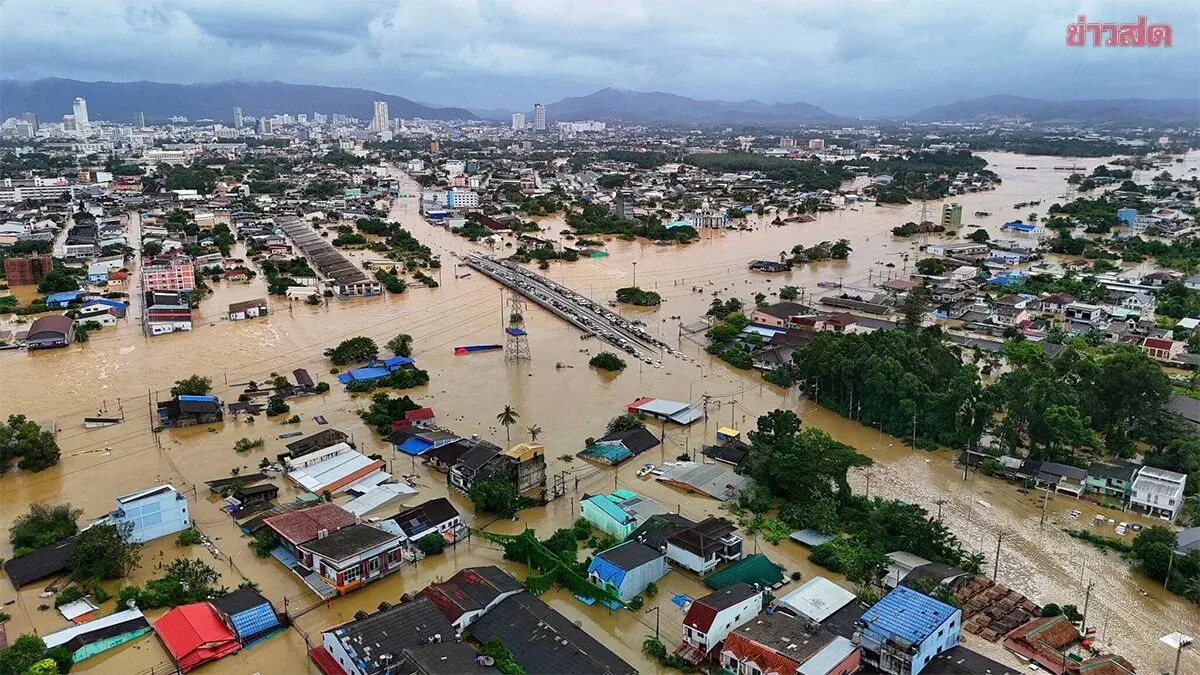
Irrigation Department Drains Flooded Lowlands, Braces for Southern Downpours
The user wants a short summary of the article, 1-2 sentences, 120-220 characters max 240. Output English only, plain English, factual, no filler. Lead with what happened, then single most important detail. Do not repeat title verbatim. Outp
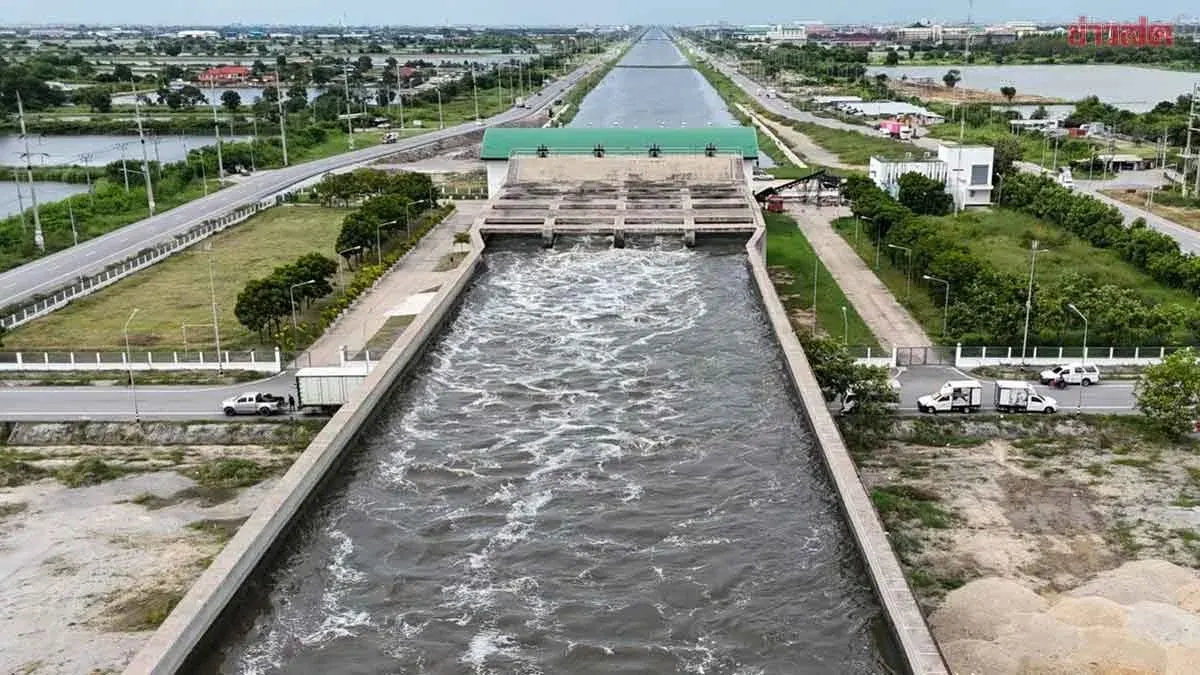
The Royal Irrigation Department (RID) reports that upstream rainfall is now declining, leading to an easing of flood conditions in many areas. The department is therefore accelerating continuous drainage of inundated low-lying zones, following a directive from Agriculture and Cooperatives Minister Suriya Jungrungreangkit to alleviate suffering, rapidly rehabilitate affected areas so residents can return to normal life, and simultaneously impound enough water for future demand while preparing for heavy rain in the South.
As of 28 October 2026, large and medium reservoirs nationwide hold a combined 64,191 million cubic metres — 84% of total capacity — leaving room for over 12,490 million cubic metres more. The four main Chao Phraya Basin dams (Bhumibol, Sirikit, Khwae Noi Bamrung Daen, and Pasak Cholasit) hold 18,960 million cubic metres, or 77% of capacity, with an additional 5,823 million cubic metres of storage available. Overall water volumes remain manageable.
In the Chao Phraya Basin, as upstream flows continue to fall, the Chao Phraya Dam in Chai Nat has gradually reduced its discharge to 900 cubic metres per second and is steadily pumping water out of agricultural and low-lying areas to restore normal conditions and allow farmers to prepare rice fields for the next season.
Drainage plans will be adjusted based on upstream rainfall, main river levels, and downstream drainage capacity to ensure optimal water management and minimal public impact. The RID expects to further cut the Chao Phraya Dam release to 700 cubic metres per second by early November.
However, the Meteorological Department warns that the South must remain alert for accumulated rain that could trigger flash floods, mudslides, and ponding, especially in foothill areas, near waterways, and in low-lying zones, while the upper country still faces a chance of isolated thundershowers.
Local agencies have been ordered to monitor weather and water conditions closely, check irrigation and drainage readiness, and position pumps, machinery, and personnel for immediate deployment. Continuous public warnings are being issued to reduce risk and mitigate potential impacts.
The RID pledges to continue full-scale water management and public assistance until the situation eases, prioritising public safety, agricultural rehabilitation, and water reserves for future use. The public is urged to follow official announcements closely. Anyone facing flooding or needing water-related help can contact the nearest irrigation project or call the RID hotline 1460, as well as the department's online channels, for prompt coordination.