Phra Pid Ta Amulets: Sacred Charms Blocking Defilements, Luang Por Kaew's Legacy
The user wants a short summary of the article about Phra Pid Ta amulets and Luang Por Kaew. The summary must be 1-2 sentences, 120-220 characters, max 240. Output in English only. No quotes, no labels, no markdown. Just the summary text. Ke
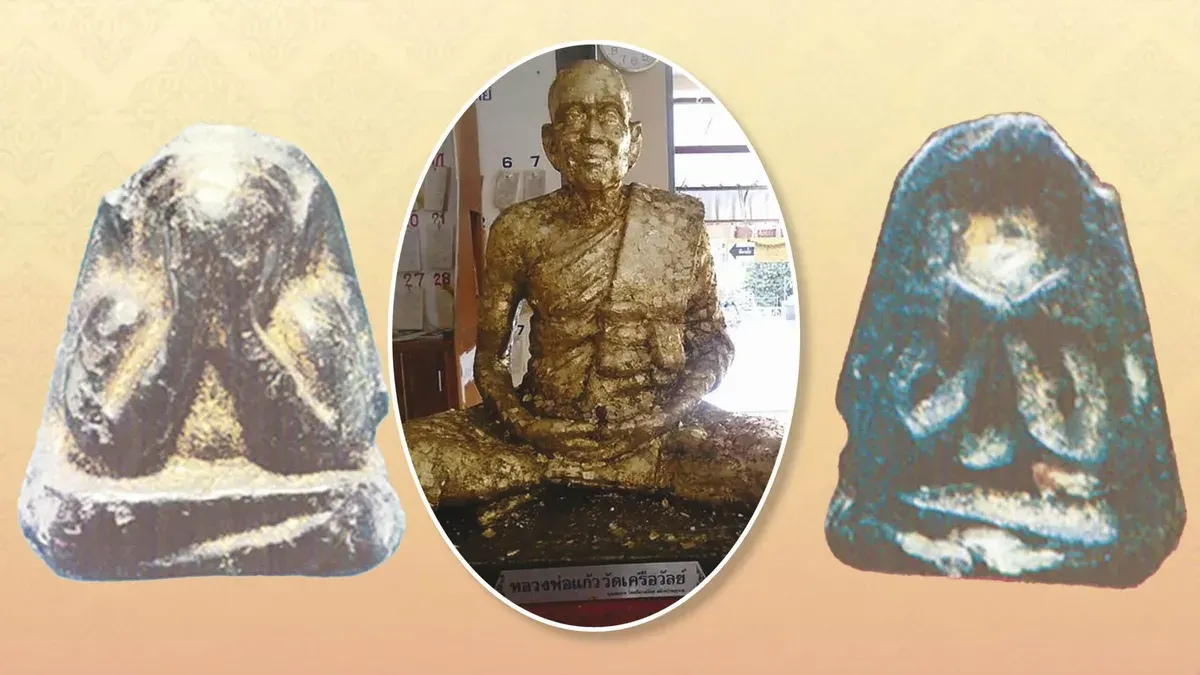
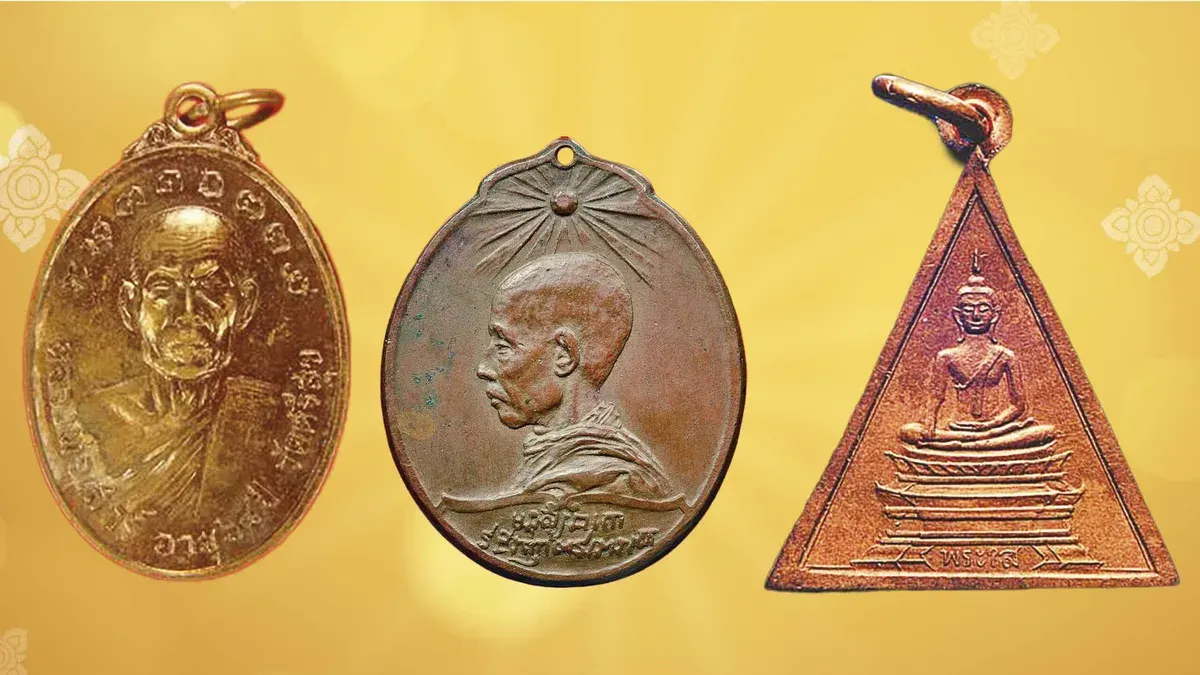
Among the most famous Phra Pid Ta amulets are those of Luang Por Kaew of Wat Khruea Wan, Chonburi; Luang Pu Khai of Wat Choeng Len; the rare Bang Phai mineral amulets; Luang Pu Thap of Wat Thong; Luang Pu Iam of Wat Nang; Luang Pu Nak of Wat Huai Chorakhe; Luang Pu Thap of Wat Amongkharam; and Luang Pu Suk of Wat Pak Khlong Makham Thao, Chai Nat. Luang Por Kaew's kluk rak powder amulets are considered the rarest and most expensive, prized for their reputed metta maha niyom (universal kindness), luck in trade, and extreme scarcity.
Little written record exists for Luang Por Kaew; his history survives through oral tradition, as was common for monks in remote areas before modern transport. He is said to have been from Phetchaburi, wandering on tudong through many provinces before settling at what became Wat Khruea Wan. Villagers, deeply impressed by his demeanor, invited him to stay the rains retreat and built the temple. In gratitude, Luang Por Kaew created Phra Pid Ta amulets from 108 blessed herbs — including kaffir lime, tamarind, and other woods — ground with itthijae, pathamang, and buddhakhun powders, bound with rak oil and rak seeds from auspicious rak trees. The resulting clay is fine-grained, often flecked with brown or red herbal residue, revealing a dark brown interior if broken.
The amulets are pressed in a curved triangular shape resembling a fingernail. The principal Buddha sits in meditation, plump and serene, hands covering the eyes in the classic "pong" posture.