World Horticultural Expo Opens in Udon Thani for 134 Days
The World Horticultural Expo 2025 opened in Udon Thani and will run for 134 days until March 2026, featuring 32 international gardens from 17 countries alongside Thai exhibits. The government expects the event to attract over 3.6 million visitors and generate more than 200 billion baht for the Northeast economy, while establishing Udon Thani as an international tourism and agricultural hub. Officials emphasize the site must be sustainably managed after the expo to benefit local communities and protect the surrounding conservation area.
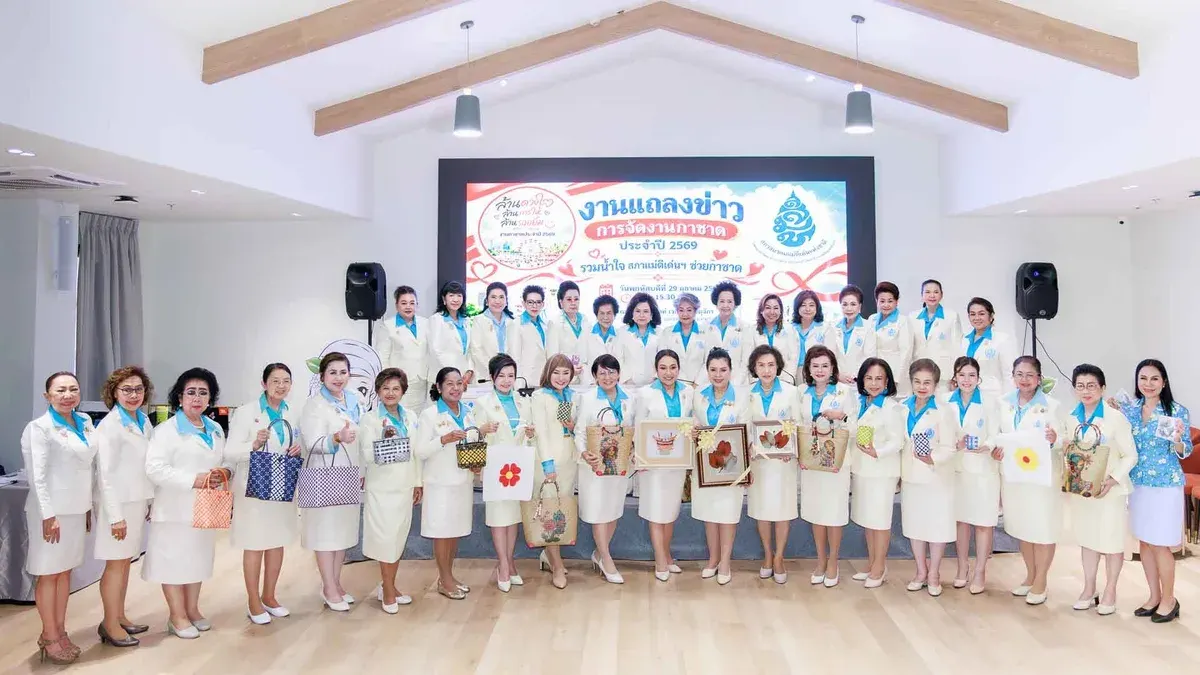
The World Horticultural Expo 2025 has opened at the Nong Daeng site in Mueang District, Udon Thani, running until March 14, 2026, for a total of 134 days. The event operates under the theme of biodiversity, human connections, water, and flora toward sustainable living. Prime Minister Anutin Charnvirakul stated the government aims for the expo to benefit the public broadly — from farmers to hotels and service businesses — while elevating Udon Thani's status as an agricultural, food, and tourism hub.
The benefits are not expected to end when the expo closes, as plans are in place for continued use as a horticultural learning center, a showcase for agricultural products and innovations, and a venue capable of hosting international events — all while preserving wetland areas and natural resources to ensure long-term value for the community.
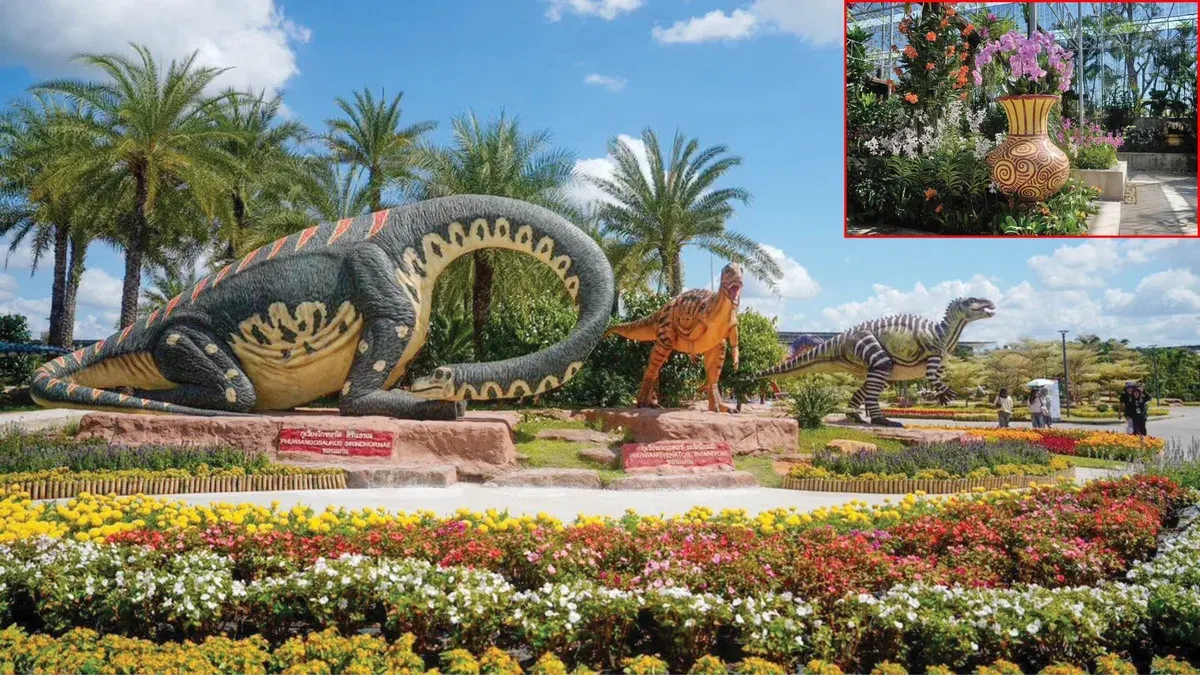
A key highlight is the participation of 32 international gardens from 17 countries and two international organizations, alongside 16 gardens from Thai government agencies and private entities. Additionally, more than 50 gardens display rare trees and distinctive plant species from around the world, with over one million ornamental flowering plants rotating throughout the event.
The government expects the expo to drive the economy and tourism in Udon Thani and the Northeast, targeting more than 3.6 million visitors and generating over 200 billion baht in economic circulation. This covers hotels, restaurants, transportation, agricultural products, and community goods, boosting opportunities for local entrepreneurs and positioning Udon Thani as an international tourism destination and a regional economic and tourism hub in the Mekong sub-region.
This expo represents an important opportunity for Thailand to showcase its agricultural, tourism, and cultural potential on the world stage, as it has done twice before in Chiang Mai in 2006 and 2011. The government particularly anticipates economic stimulus in the area and upper Northeast, with ripple effects in the tens of billions.
However, the government must also consider post-expo management of the site, trees, and buildings to avoid abandonment, and address environmental concerns since the area is a community conservation zone. There is hope the site will be developed to benefit local residents, perhaps as a learning center for horticulture, flora, and biodiversity as the government has pledged.