Abhisit Rejects Energy Ministry Budget as Failing Voters
Democrat leader Abhisit rejected the Energy Ministry's budget on September 8, saying a 10% cut fails to protect public interests and that promised structural reforms haven't materialized despite high fuel and electricity costs.
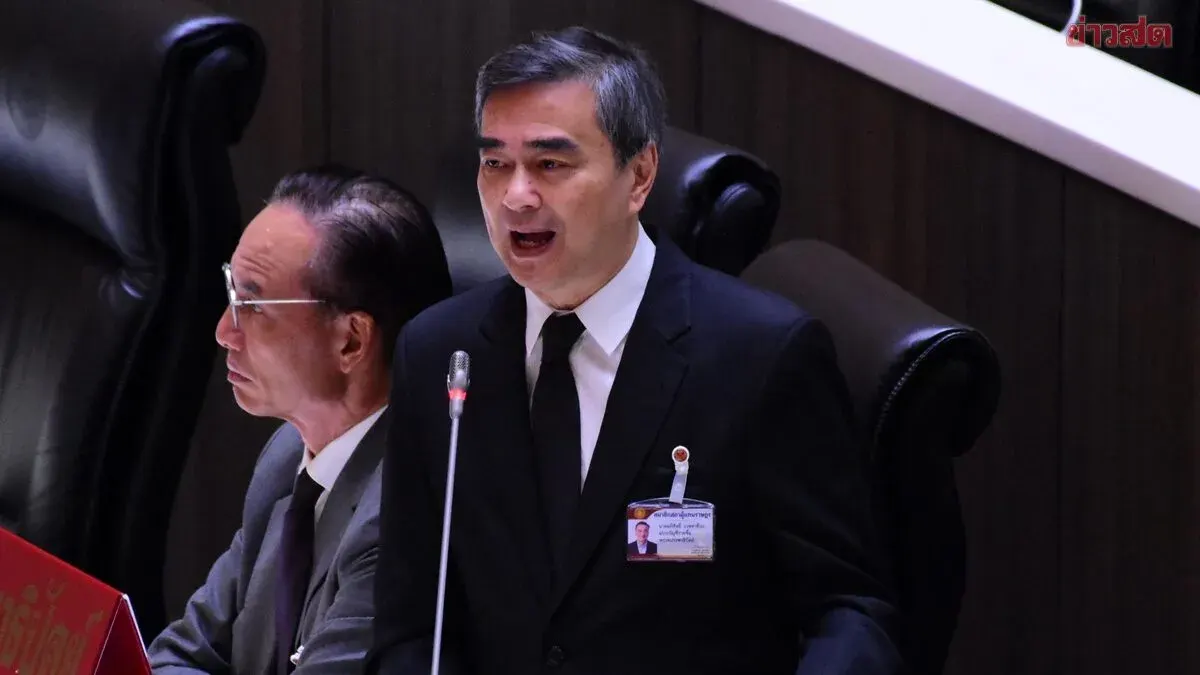
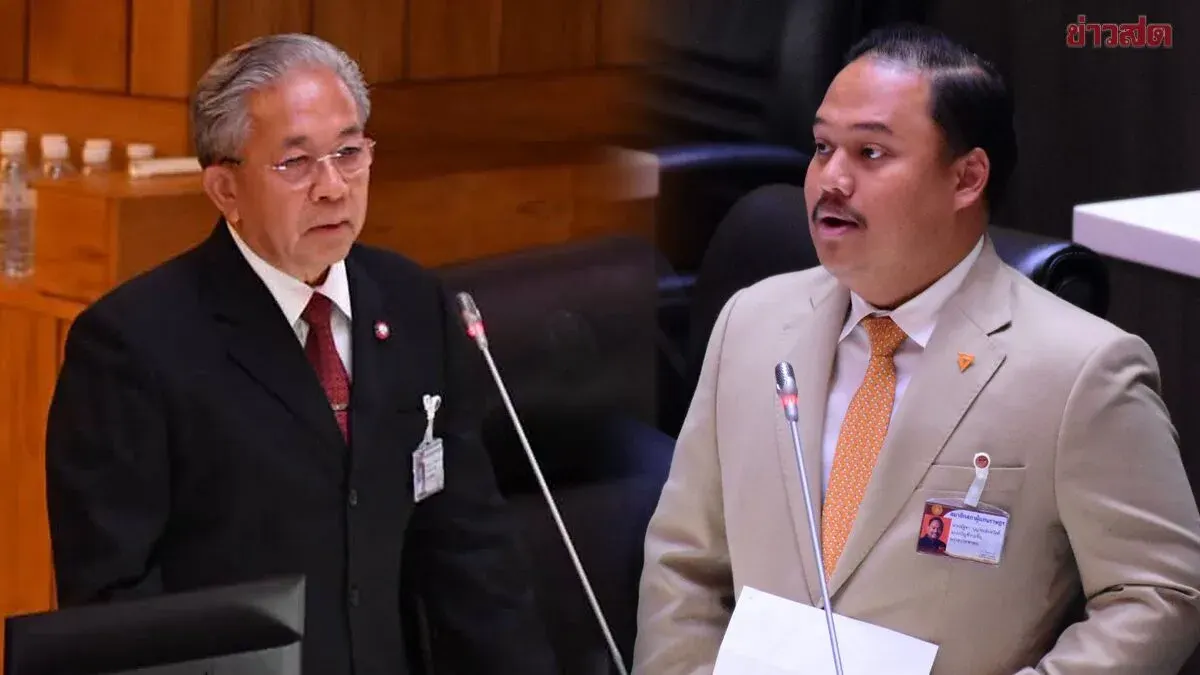
At a Section 18 parliamentary review of the Energy Ministry on September 8, Abhisit Vejjajiva, Democrat Party leader and list MP, criticized the government's energy policy and budget management. He said the 10% energy ministry budget cut is insufficient to protect public and national interests, particularly regarding fuel and electricity costs.
Abhisit acknowledged that high oil prices are not new but argued the government could manage diesel prices better. He expressed disappointment that ministers promised major structural reform and asked large energy businesses and capitalists to share the burden with the state to help citizens. However, he said no concrete structural changes had materialized in the first six months. While the government claimed it collected over 10 billion baht from refineries for the first time, Abhisit noted that refinery profit guarantees remain intact under the formula used, meaning businesses will not share hardship with the public. The same applies to electricity costs, which require formula adjustments during price volatility but remain theoretically inconsistent.
Abhisit stressed that the government has not answered where it will sustainably source funding, and suspects profits will ultimately be cut from state enterprises—which are public assets—leaving citizens bearing the full burden. He also criticized lack of clarity on energy transition projects and questioned whether data center initiatives could achieve genuine energy transformation. For these reasons, he cannot accept the budget allocation to agencies lacking strategic planning to show citizens a viable future. Over recent months, management has burdened the public in ways contrary to the promised major reforms, failing to ask profitable entities to fairly share the load.