Ancient Well System Preserves Wat Pho's Four Reigns Chedis
National Artist Wanida Pheungsunthon revealed that Wat Pho's centuries-old stability relies on an ancient groundwater observation well system and wooden pile foundations. The temple's unique ceramic decorations and architectural details reflect Rattanakosin-era artistry, but maintaining groundwater levels is essential to prevent the wooden piles from drying and decaying. The historic observation well near the Rama IV chedi has been sealed, losing its monitoring function, prompting concerns about future hydrological changes.
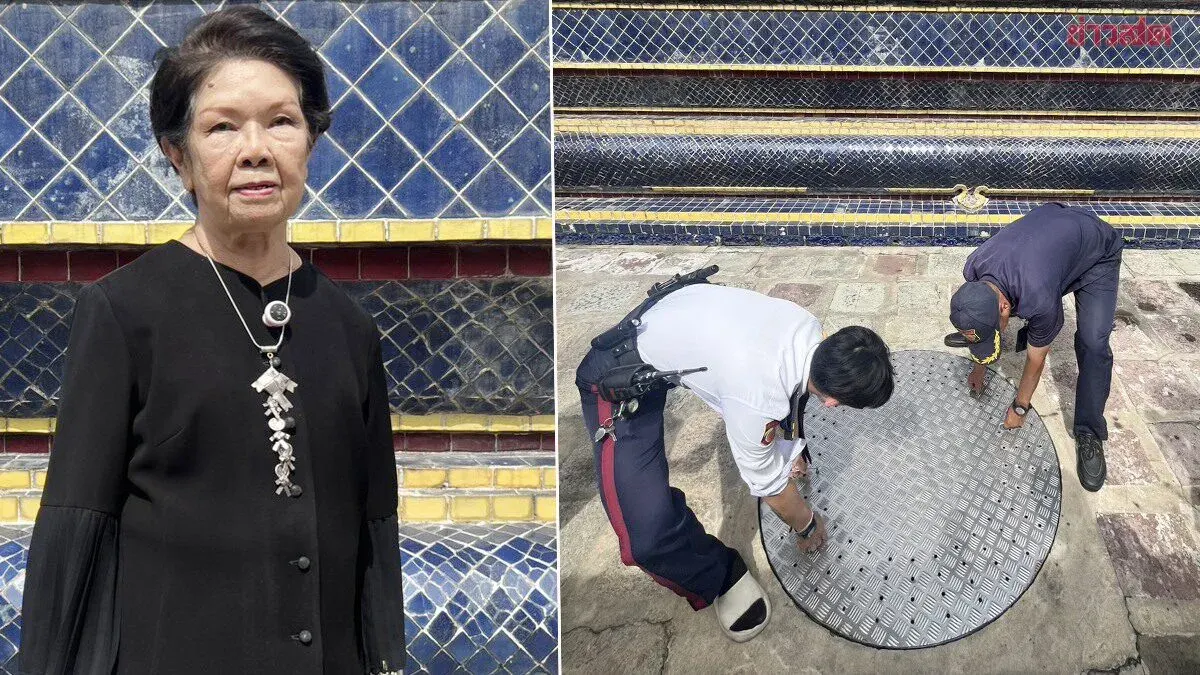
National Artist Wanida Pheungsunthon, honored in 2003 for traditional architecture, revealed that Wat Phra Chetuphon Vimolmangklararm, commonly known as Wat Pho, derives its architectural significance not only from the splendor of its four reigns' great chedis and ancient structures but also from centuries of construction wisdom and foundation maintenance — particularly the groundwater observation well system vital to the monuments' stability.
Wanida noted that Wat Pho stands as a unique repository of Thai art, especially its ceramic and glazed tile decorations, which are among the most complete and extensive in Thailand. These adorn not only the four great chedis of Reigns 1 through 4 but also smaller chedis and portal roofs throughout the temple. She highlighted distinctive architectural details such as the library's crown-shaped roof with three tapered tiers resembling the Great Crown of Victory, differing from typical pointed portal roofs without tiered divisions, reflecting the refinement and diversity of Rattanakosin-era art.
However, the key to these structures' centuries-long stability lies in their underground foundation system. Before reinforced concrete, builders laid wooden piles (mai sung) across the entire foundation area to support weight and prevent settlement or cracking. Wanida likened the foundation to human legs or feet — without stable foundations, structures cannot stand. The critical factor in preserving these wooden piles is maintaining constant groundwater moisture; if water levels drop and the wood contacts air and dries, decay can compromise the chedis' long-term stability.
Wat Pho benefits from its location near the Chao Phraya River, which naturally keeps groundwater levels high and soil moist, preserving the underground wooden piles for centuries. Yet complacency is risky, especially if future dam construction or infrastructure projects alter the natural hydrology.
Regarding the square well beside the Rama IV great chedi, Wanida clarified it was not a water storage or rainwater catchment basin but an observation well built to monitor groundwater seeping through soil layers. Originally fitted with an open cast-iron grate allowing visual inspection, the well typically stayed nearly full. A survey around 50 years ago confirmed wooden pile foundations beneath the great chedis while the observation well showed full water levels, demonstrating the link between groundwater and foundation preservation. However, the well has since been renovated with a sealed concrete bottom and covered lid, resembling a common storage tank. This prevents surrounding groundwater from seeping in as before and eliminates its function for monitoring actual groundwater levels. Wanida therefore urged...