CP Xtra Donates Recycled Safety Vests to Bangkok Cleanup Crews
CP Xtra has donated reflective safety vests made from recycled plastic to Bangkok’s sanitation workers as flood‑related cleanup efforts continue. The vests are produced through the company’s nationwide “Plastic Returns Value” program, which collects used PET bottles from over 830 sites and transforms them into recycled polyester fiber. The initiative aims to improve worker safety while promoting a circular economy that turns waste into useful products.
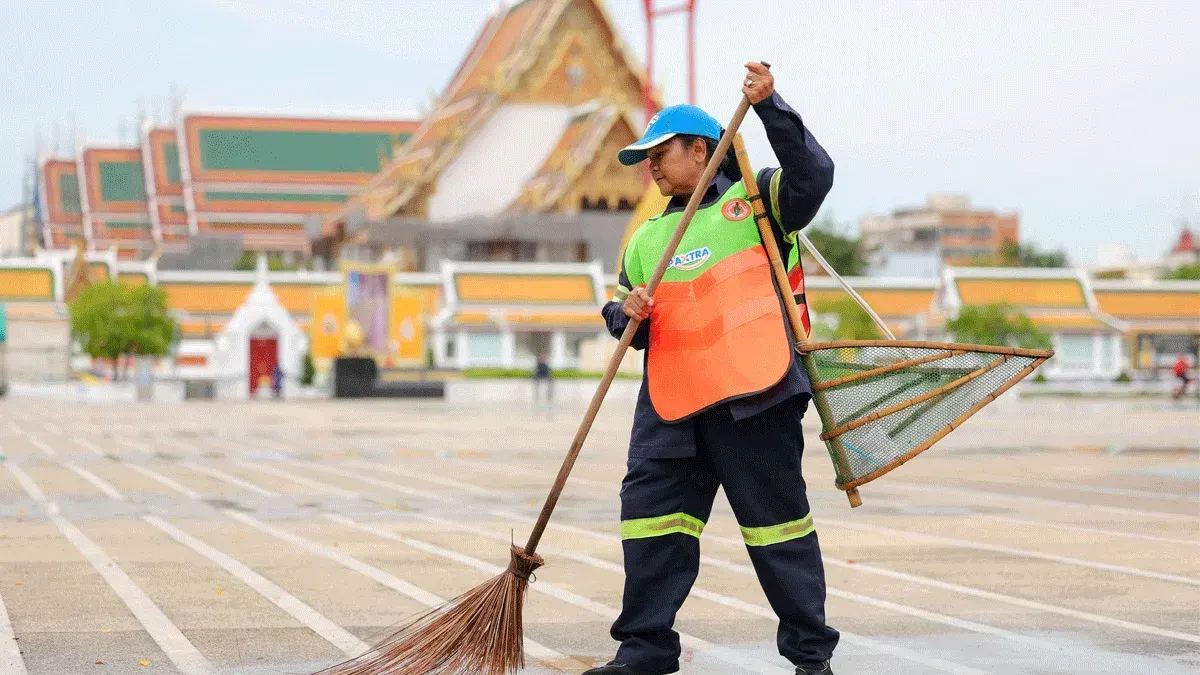
Even as flood conditions in Bangkok begin to ease, the task of restoring the city continues, requiring ongoing cleaning, waste removal, and maintenance of orderly streets. The effort relies heavily on Bangkok Metropolitan Administration sanitation workers, whose behind‑the‑scenes labor is essential for returning the city to normal. CP Xtra, operator of the Makro‑Lotus wholesale and retail chain, has responded by supplying reflective vests made from recycled plastic to these workers, aiming to boost their safety and highlight its circular‑economy model.
The vests start as used plastic bottles collected from schools, universities, residential areas, communities, public parks, and Makro‑Lotus outlets across the country—more than 830 collection points. After sorting, the bottles are cleaned, shredded into PET flakes, and turned into recycled polyester fiber (rPET). The fiber is woven and knitted into fabric, then cut and sewn into the safety vests.
Beyond the end‑of‑life of the bottles, the project links resource stewardship with care for the people who keep the city clean. By turning waste into reusable material, CP Xtra creates a closed loop that benefits both the environment and the workers who depend on it. The company’s “Plastic Returns Value” program encourages consumers, youth, schools, partners, and the Makro‑Lotus network to return bottles, giving each container a new purpose in products that are actually used.
CP Xtra stresses that a true circular economy begins not in factories but in everyday decisions to separate and return waste, supported by systems for collection, sorting, and recycling. The donation of these vests therefore represents more than just workwear; it shows how environmental and social value can be combined—protecting the planet while looking after those who protect the city.