Authorities Speed Drainage in Rangsit South Before Nakhon Nayok Influx
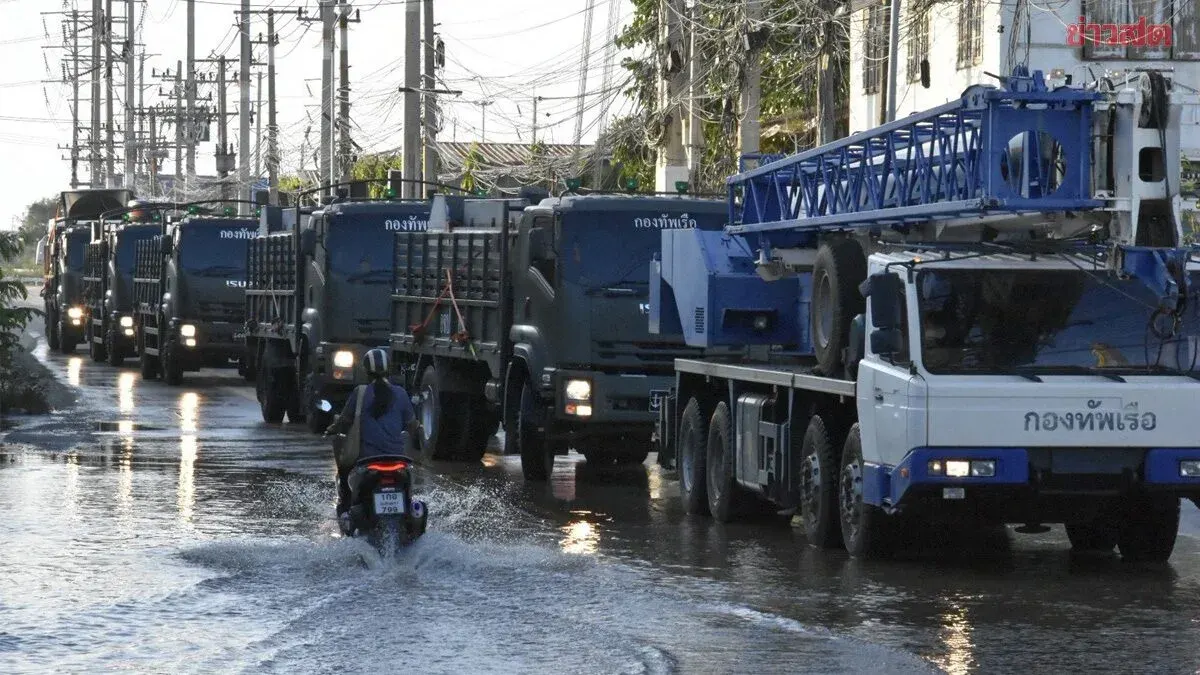
Authorities have installed four extra water pumps to speed up drainage in Rangsit South before accepting additional water from Nakhon Nayok. The move aims to lower flood risks in Pathum Thani and protect residents while preparing to channel water from Nakhon Nayok into the Chao Phraya River. Officials say draining Rangsit South first is essential to avoid overwhelming the system and impacting local communities.
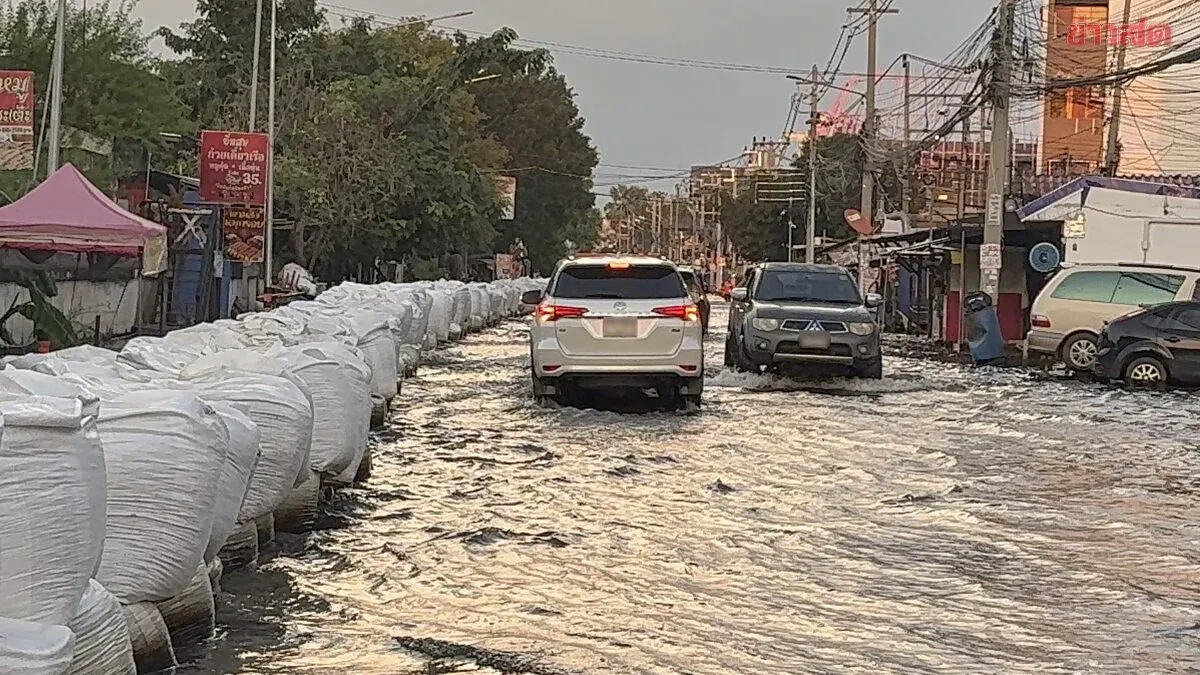
On October 7, 2026, Minister Phiradon Prisanananthakul, accompanied by Transport Deputy Ministers Sapparach Bunyamanee and Pattharapong Pattharaprasit, Pathum Thani Governor Thaniya Naiyinij, and relevant agencies, visited the Rangsit Canal sluice gate to inspect drainage operations and install four additional hydrofoam pumps. The pumps aim to lower water levels in Rangsit, Khlong Luang, Kukot, and Lam Luk Ka before planning to draw water from Nakhon Nayok via the Rangsit Prayuraks Canal, discharging it into the Chao Phraya River through Pathum Thani, increasing pumping capacity from 84 to 100 cubic metres per second while delaying intake from Nakhon Nayok until Rangsit South water recedes. Phiradon said water from Rangsit North opposite Thammasat University, Thai Tai Market, and Bangkok University will be diverted northward to minimize inflow into Rangsit Canal, stressing that this must not affect local residents. He added that the normal function of the Rangsit Canal is to receive water from Nakhon Nayok, but current high water levels mean accepting more could overwhelm drainage and increase impacts, so priority is to reduce Rangsit South water first. He noted that eastern provinces Nakhon Nayok, Prachinburi, and Chachoengsao cannot fully drain into the Bang Pakong River due to its high water, so one way to ease their burden is to divert water toward the Chao Phraya River, which requires first boosting Rangsit’s drainage capacity.