Bangkok Governor Launches Seven-Point Flood Response Plan
Bangkok's governor has launched a seven-point flood response plan involving all 50 districts, with focus on disaster relief, shelter management, and coordinated drainage efforts to protect vulnerable residents and accelerate recovery.
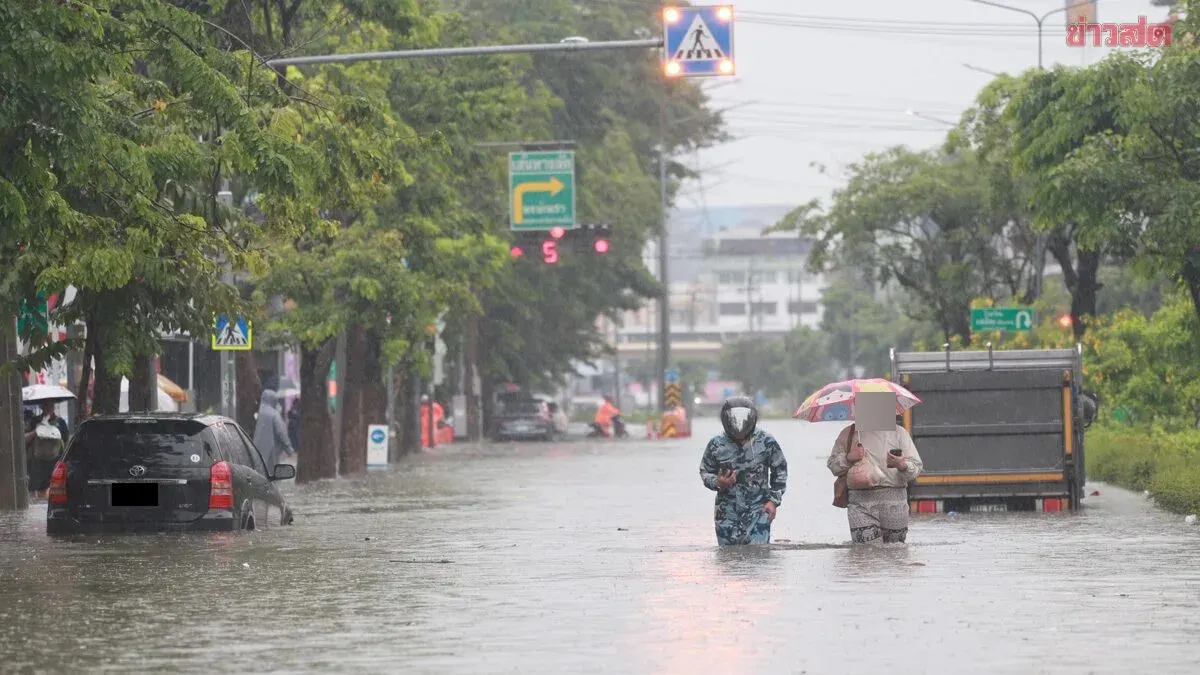
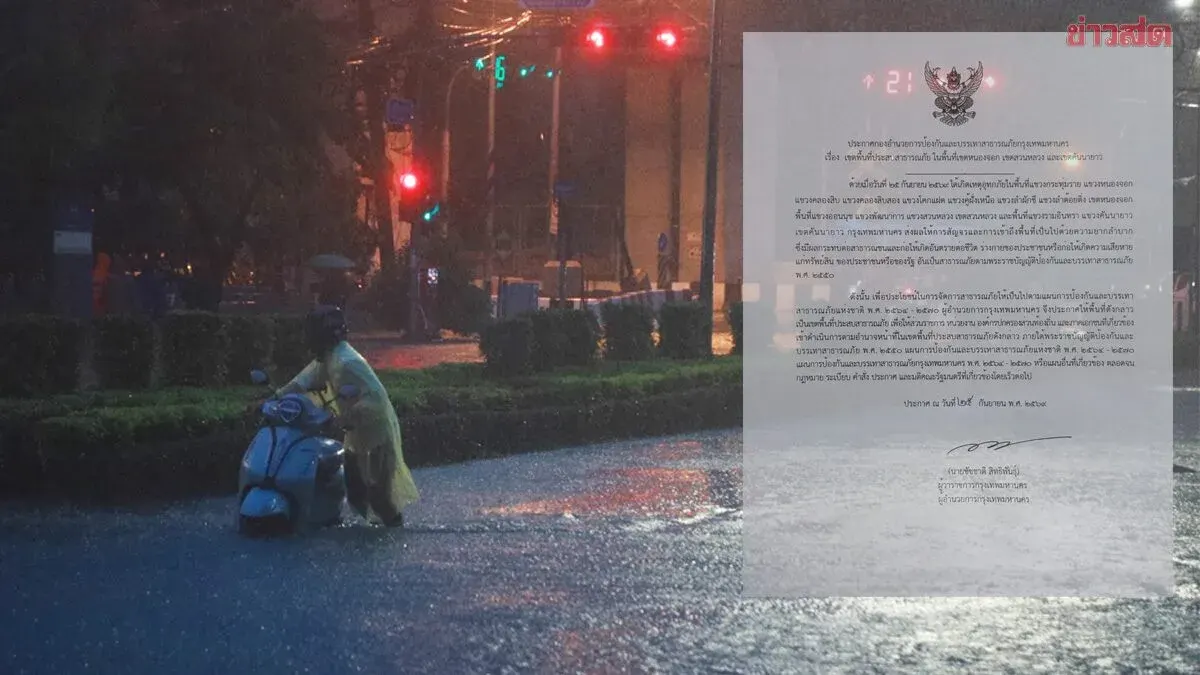
On September 26, Bangkok Governor Chatchart Sittipan chaired a flood situation command center meeting with representatives from all 50 district offices and related agencies at the Drainage Department headquarters in Din Daeng. He instructed all units to urgently implement measures to care for affected residents and coordinate work closely to ensure fast and widespread assistance.
The governor has assigned seven priority measures to relevant agencies:
Declaration of disaster-affected areas covering all 50 Bangkok districts to enable relief assistance according to established criteria, with district offices helping residents document damage through before-and-after flood photographs for future aid claims.
Expedited survey and care for bedridden patients and vulnerable groups, coordinated between district offices and public health centers, determining whether individuals need medical equipment, hospital referral, or can be accommodated at shelter centers, with resources and emergency budgets allocated accordingly.
Establishment of temporary shelters and parking areas using municipal schools as primary shelter sites due to adequate facilities and sanitation, with continuous reporting of capacity and coordination with the private sector for temporary parking and food, drinking water, and sanitation supplies.
Sufficient sandbag management at high-risk points, with the Drainage Department coordinating distribution while district offices manage personnel and community involvement in filling and placing sandbags where needed.
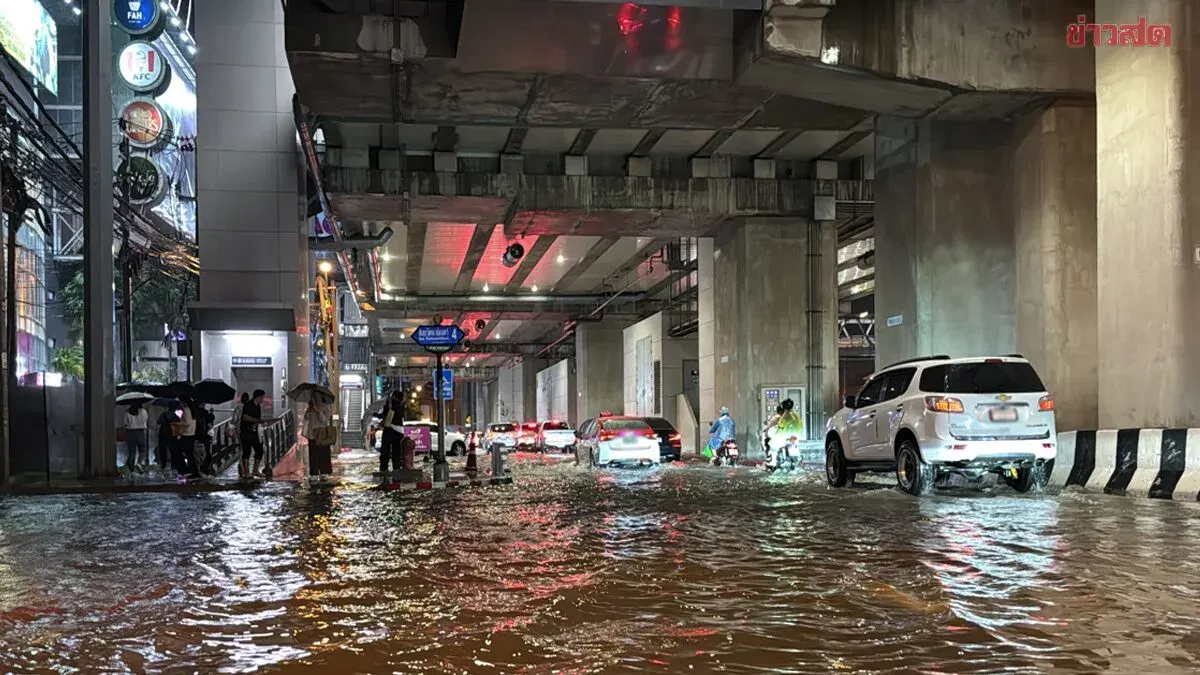
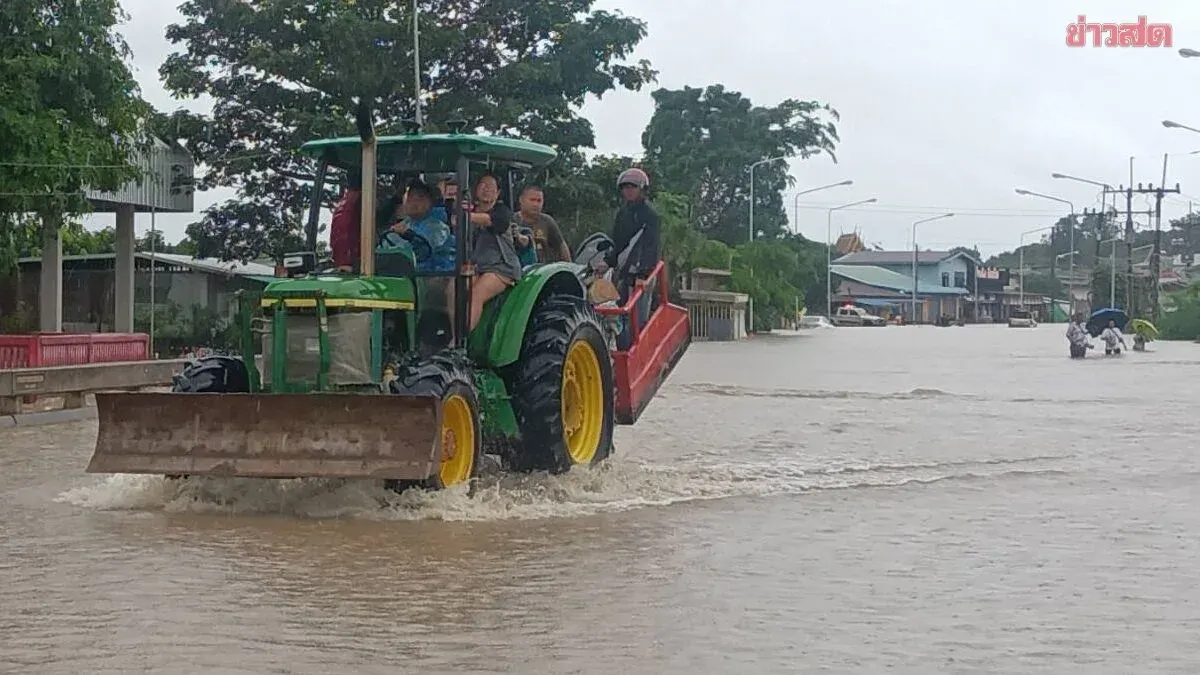
Traffic management and evacuation vehicle coordination, with district offices and municipal staff working with traffic police to monitor conditions closely and mobilize municipal and agency vehicles to support resident transport, while removing abandoned vehicles blocking routes and monitoring bridges and routes potentially affected by rising water levels.
Water drainage acceleration with cleanliness and sanitation oversight, requiring districts to clean areas, remove debris and materials blocking waterways and drainage channels once water levels drop, survey needs for mobile toilets, and ensure shelter center hygiene and safety.
Data integration and continuous situation monitoring, with the Bangkok administration requiring all agencies to coordinate and share information closely, particularly between district offices and central units, to ensure unified operations. The next monitoring meeting is scheduled for 12:00 noon via Zoom.
Bangkok will continuously monitor water conditions and impacts, adjusting measures as needed to ensure comprehensive care for all residents.