BOI Upgrades Manufacturing as Japan Doubles Down on Thailand
Japanese investment in Thailand surged to 113.7 billion baht in 2025, more than double the previous year, as manufacturers upgrade factories with automation, clean energy, and higher-tech production aligned with global industry trends.
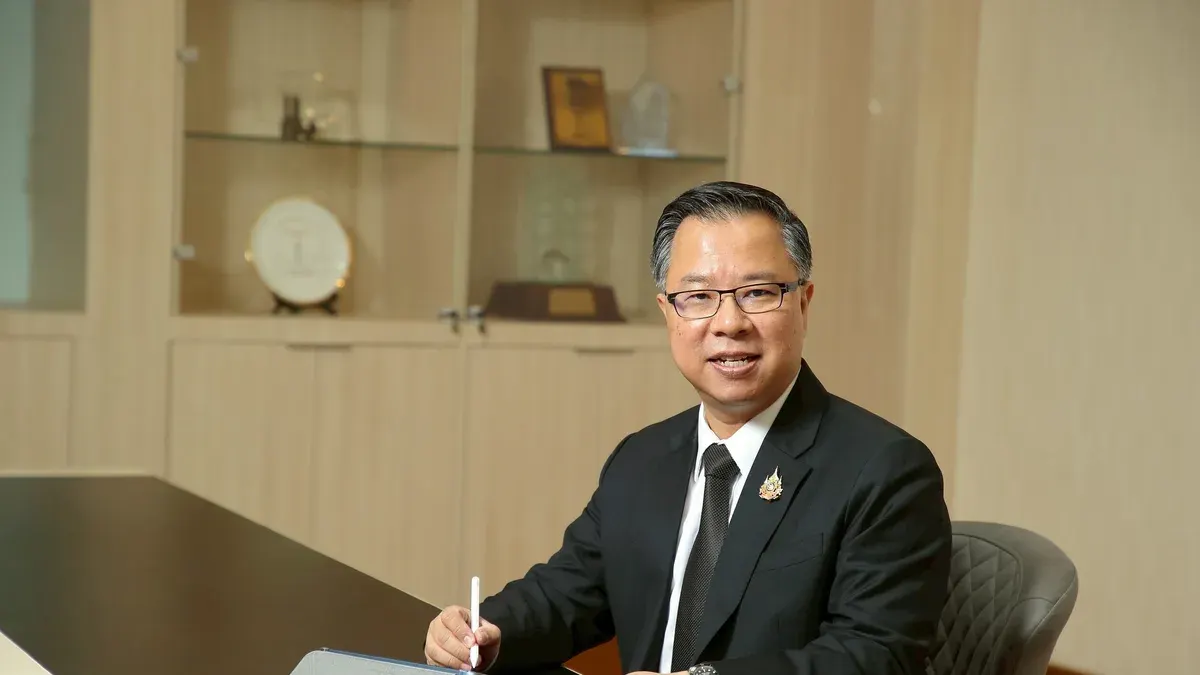
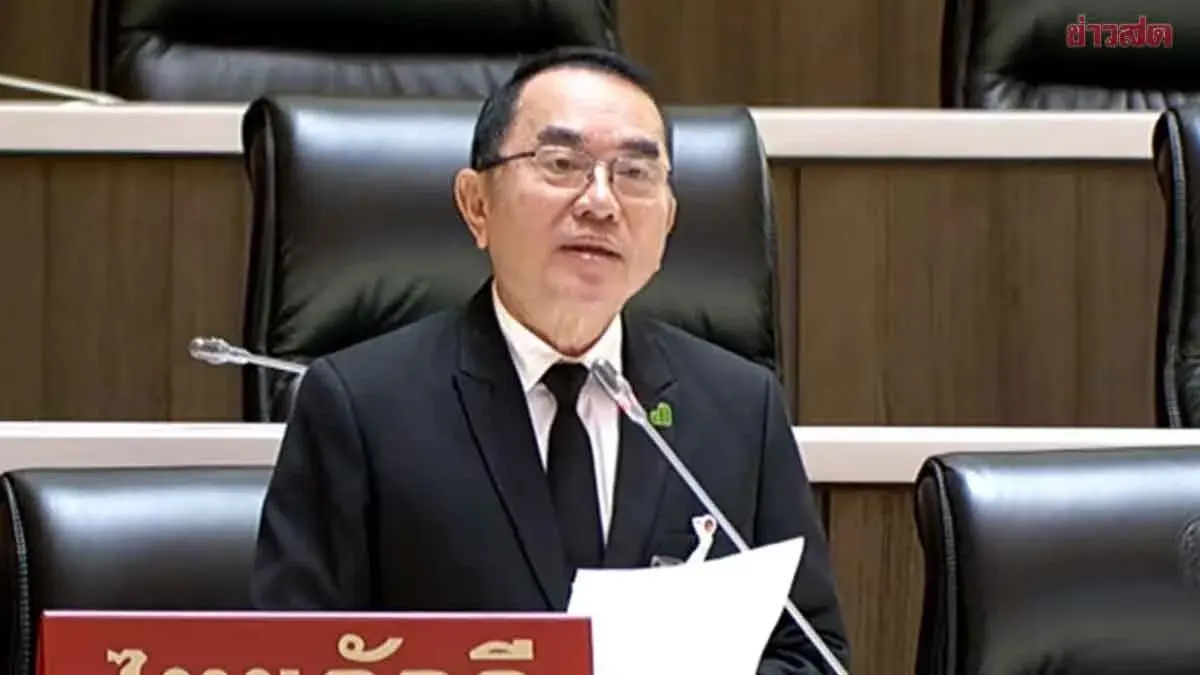
The Board of Investment is accelerating infrastructure upgrades to welcome new technology as Japanese investment in Thailand enters a major expansion phase. BOI Secretary-General Narutt Therdsirichot emphasized that Thailand serves as a "second home" for Japanese investors, who have long been crucial partners in building Thailand's industrial base and supply chains, particularly in automotive, electronics, and machinery.
Japanese investment is now pivoting toward technology upgrades, efficiency gains, and higher-value products aligned with global industry trends. In 2025, Japanese investors filed 302 investment promotion applications worth over 113.7 billion baht—more than double the previous year and among Japan's highest investment years in Thailand. Automotive and parts led at 28.31 billion baht (up 57%), followed by electronics and appliances at 19.38 billion baht (up 76%), agriculture and food at 4.07 billion baht (up 54%), and logistics and services at 1.47 billion baht (more than doubled). New investments are also emerging in digital business and aerospace components, reflecting parallel upgrades of existing industries alongside expansion into higher-tech, higher-value sectors.
Japanese manufacturers are recalibrating their investment strategy to navigate global industry transformation. A January 2025 survey by the Japanese Chamber of Commerce covering 504 firms found that 23% of Japanese companies plan to increase investment in Thailand this year, while 48% expect to maintain current levels. Japanese firms are prioritizing efficiency improvements at existing manufacturing bases, including machinery replacement, clean energy adoption, increased digital technology integration, and development of higher-technology products. This reflects continued emphasis on strengthening competitiveness of Thai production facilities.
Key examples include Isuzu, approved for over 15 billion baht to upgrade its pickup truck factory with automation and robotics and clean energy; Mazda Auto Alliance, approved for over 7.4 billion baht to upgrade facilities for new MHEV models meeting Euro 6 standards, with Thailand chosen as its main production base for domestic sales and exports to Japan and ASEAN; Mitsubishi Motors, which announced an additional 16 billion baht investment by 2030 to support electric vehicle technology and produce the all-new Pajero for local and global markets; and Honda, which announced 12 billion baht in additional investment by 2027.