Cabinet Approves Energy-Efficient Housing Program Worth 1 Billion Baht
Thailand's Cabinet approved a 1.05 billion baht energy-efficient housing program offering low-interest loans to help low and middle-income earners access green homes while meeting Paris Agreement climate targets.

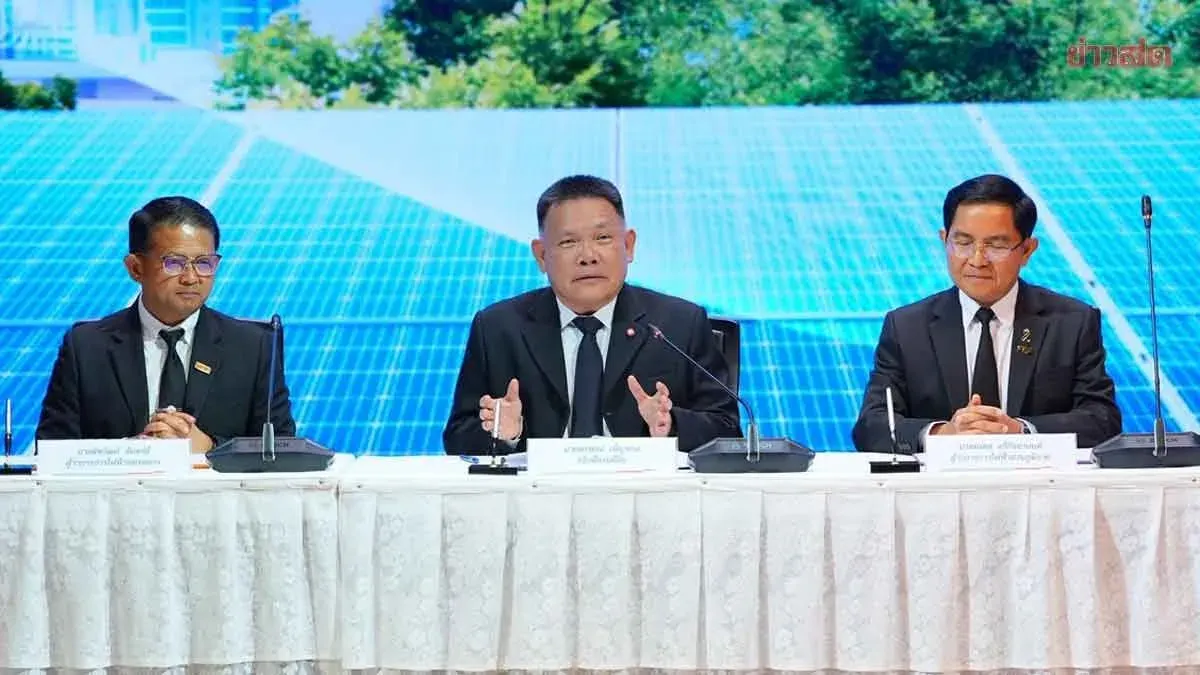
The Cabinet has approved an energy-efficient housing project worth approximately 1.05 billion baht, raising housing standards and offering low-interest loans to help low-income residents access green homes. Deputy Government Spokesman Patcharadarsami Thongsaluaykr said the Cabinet approved a memorandum of understanding for the energy-efficient and environmentally friendly housing promotion programme in Thailand, supported by the Global Environment Facility (GEF) and involving the National Housing Authority, UN Environment Programme (UNEP), and the Thai Environment Institute Foundation (TEI).
The project aims to improve living standards for low to middle-income earners by enabling access to energy-efficient, eco-friendly housing, while advancing Thailand's greenhouse gas reduction targets under the Paris Agreement and national strategy. The total project value is 32.08 million US dollars (approximately 1.05 billion baht), with 3.14 million US dollars (about 102.86 million baht) in grants from the GEF through UNEP, supplemented by investment and contributions from the National Housing Authority and the Electricity Generating Authority of Thailand. The five-year programme runs from 2026 to 2029 with possible extension.
Three main activities are planned: developing energy-efficient housing standards for single and duplex homes and expanding the Level 5 energy-saving labelling scheme; engaging financial institutions to establish low-interest credit for low and middle-income earners to purchase or build energy-efficient homes; and developing personnel through green building design training and public awareness campaigns. The Foreign Ministry and the Office of the Attorney General have confirmed the memorandum constitutes an agency-level agreement with an international organisation, not a treaty under the Constitution, requires no additional budget allocation, and has passed legal review by the Attorney General's Office.