Cabinet Extends Security Zones in Four Southern Border Provinces
Thailand's Cabinet extended security zones in 19 districts across four southern border provinces for another year through September 2027, citing ongoing security threats despite recent militant arrests. The 22nd extension covers districts i
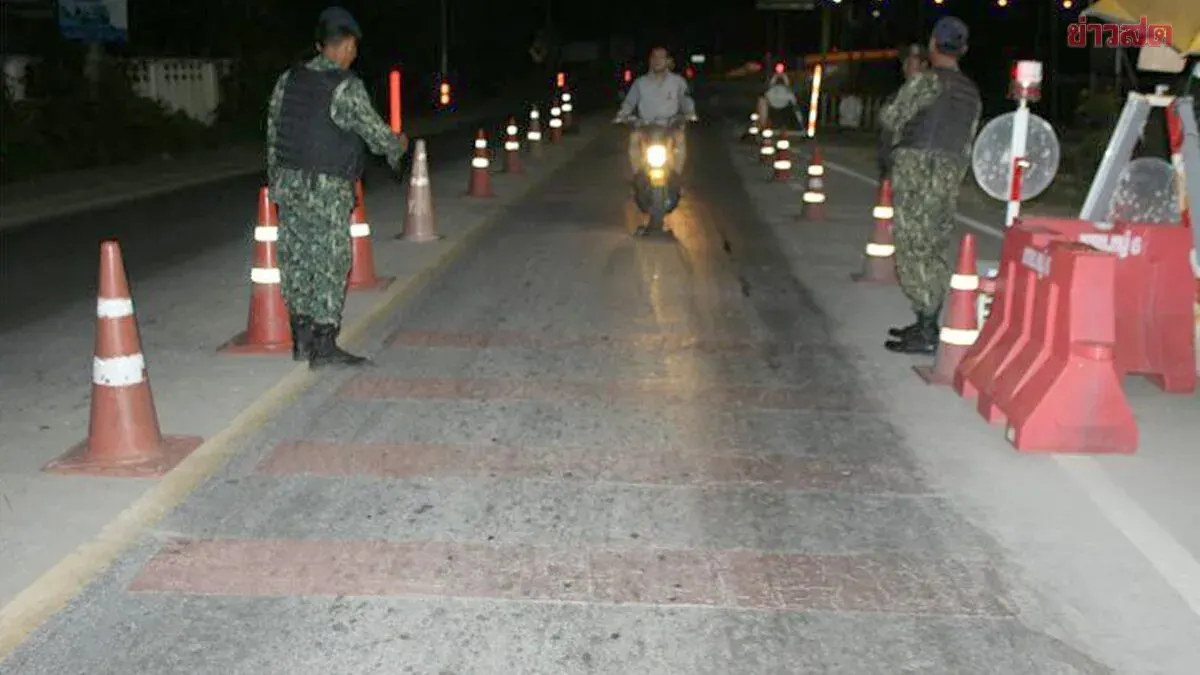
The Cabinet approved extending security zones in 19 districts across four southern border provinces for an additional year, from October 1, 2026, to September 30, 2027, following threat assessments. Deputy Government Spokesperson Lalida Perischivivattana announced the decision on September 29 at Government House, confirming that the Cabinet endorsed the extension of areas declared under the Internal Security Act of 2008 to ensure ongoing public safety management. The affected districts include three in Narathiwat (Yee Ngo, Waeng, and Su Khirin), seven in Pattani (Yarang, Panarae, Mayo, Mai Kaen, Thung Yang Daeng, Ka Pho, and Mae Lan), five in Yala (Betong, Yaha, Raman, Kabang, and Krong Pinang), and four in Songkhla (Na Thawi, Cha Na, Thepha, and Sa Bai Yoi).
This marks the 22nd extension of the security zones. Previously, in April 2025, the Cabinet removed Sai Buri district from Narathiwat from the designation, reducing the total from 20 to 19 districts. The Internal Security Command assessed that although integrated operations and arrests of militant operatives have made attacks more difficult, some areas still face movement and attempts to incite violence, and vulnerable targets remain at risk. Public opinion surveys showed 75.4 percent overall support for the measure, with 70.36 percent opposing its cancellation and 29.64 percent favoring it.
The Cabinet also approved related announcements and regulations, including provisions under Section 21 of the act that allow individuals who committed offenses through mistake or misunderstanding to surrender, undergo court-ordered rehabilitation, and comply with court conditions instead of facing standard criminal prosecution. This aims to facilitate reintegration and support peace-building in the region. The government reaffirmed its policy of gradually reducing the scope of emergency administration measures and replacing them with appropriate legal measures tailored to actual threat levels, progressively returning areas to normal governance.