Call Center Scam Targets University Students for 1.7 Million Baht
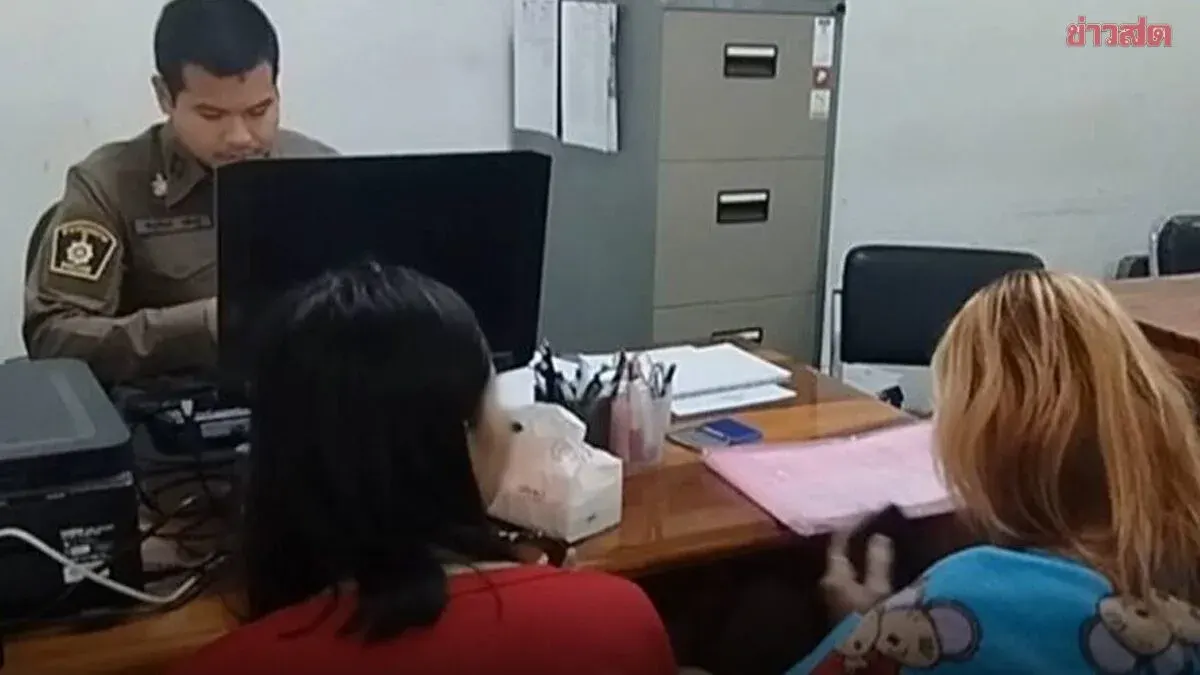
Two university students narrowly escaped a 1.7 million baht call center scam after fraudsters impersonated police and accused them of money laundering to extort funds. Police warned of the scheme targeting young people through intimidation
Two first-year students from a prominent university in Maha Sarakham filed a police report on September 18 after falling victim to a call center scam attempting to extort 1.7 million baht. The victims provided police with video clips, chat screenshots, and fake documents sent by the fraudsters.
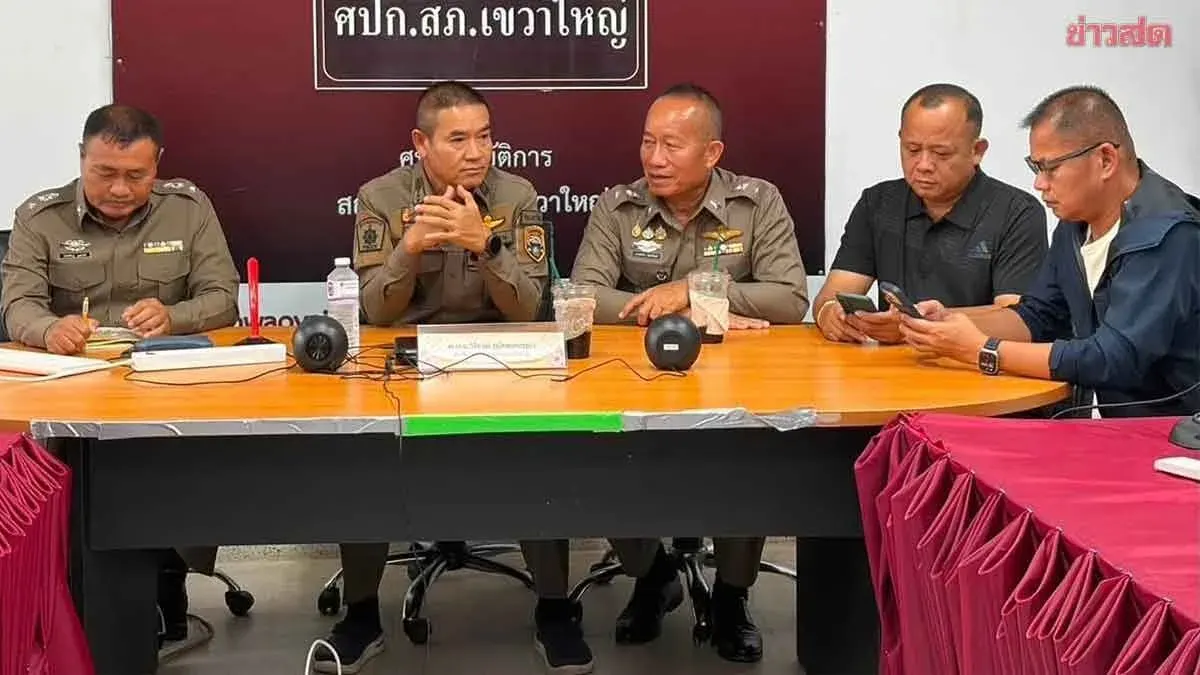
Weerapan Phumipetchrachcha, commander of Khwae Yai Provincial Police Station, revealed that both victims were targeted using nearly identical methods. The scam began with a call claiming to be from a telecommunications company reporting problems with the victim's phone number, then transferring the call to someone posing as a police officer from Phichit City Police Station.
The fake officer accused the students of involvement in money laundering and drug cases, then instructed them to add a LINE account and sent forged government documents. The victims were terrorized into silence, told not to inform parents, relatives, or friends. The scammers then instructed the victims to ask parents for money, claiming it was for an overseas scholarship, totaling 1 million baht from the first victim and 700,000 baht from the second.
However, before the transfers could be completed, both students became suspicious and contacted their parents, who questioned the details and advised them to stop. The parents grew skeptical and instructed their children to report the matter to police, allowing both students to avoid financial loss.
Werapan stated that officers are currently analyzing evidence and tracing the contact methods and individuals involved, coordinating with relevant agencies to pursue legal action. He warned the public, especially students and parents, to be alert to calls from people claiming to be police or government officials who threaten involvement in criminal cases and demand money transfers. He advised hanging up immediately, verifying information directly with the relevant agency, and consulting family or trusted individuals, noting that intimidation and isolation from support networks is a key tactic used by such fraudsters.