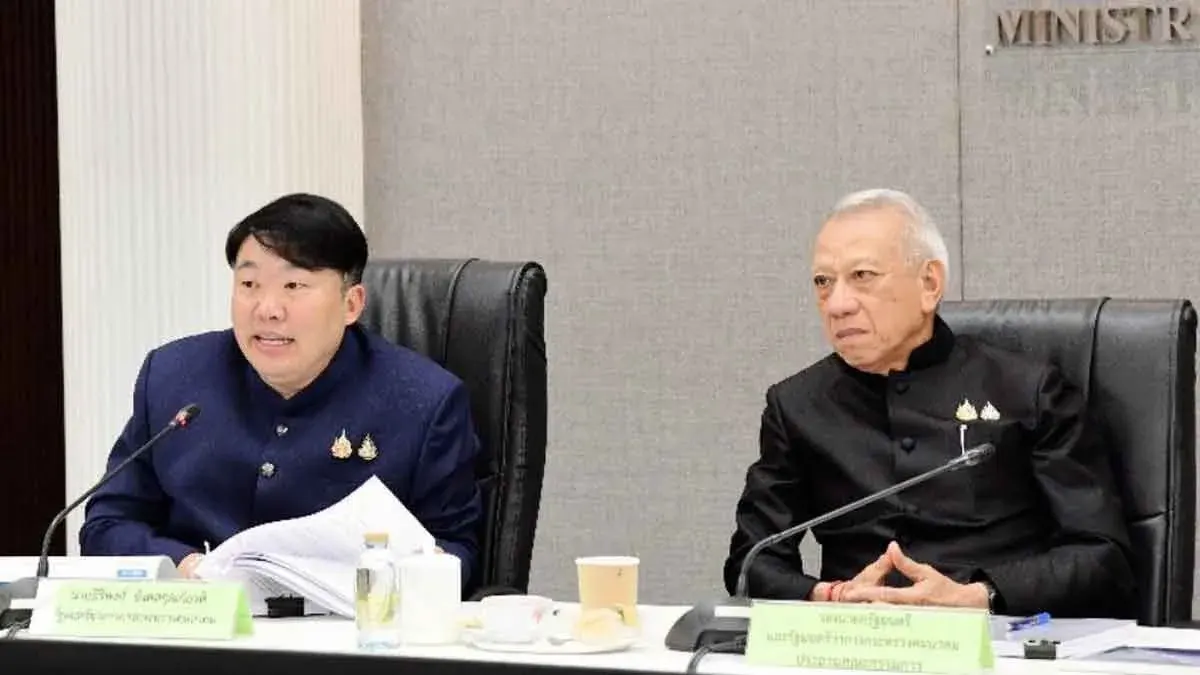
Commerce Ministry Deploys 3,036 Low-Price Points to Curb Inflation
The Ministry of Commerce has launched a three-pronged strategy to contain rising living costs, including strict price controls on essential goods, a nationwide network of 3,036 discounted "Blue Flag" outlets, and private-sector partnerships offering deep discounts on thousands of items. The measures respond to persistently high energy and transport costs that risk filtering through to consumer prices, though officials say Thailand's inflation pressures remain less severe than in Europe.
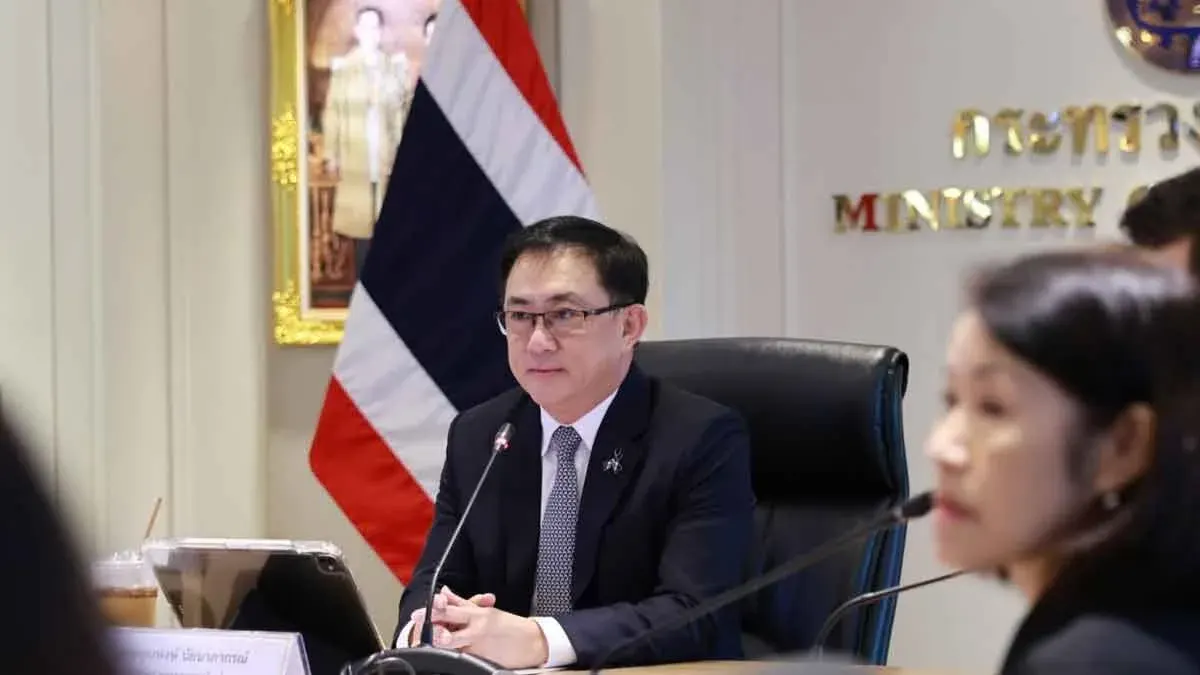
Permanent Secretary Poonphong Nayanapakorn revealed that Deputy Prime Minister and Commerce Minister Suphajee Suthampan has ordered close monitoring of living costs and inflation, as energy and transport costs remain at high levels, which may affect product prices and public purchasing power going forward. Although Thailand's price pressures have not yet spread widely and the economic context differs from European nations facing cost-of-living and inequality crises, the Ministry of Commerce will not be complacent. It stands ready to assess risks in advance and accelerate proactive measures to prevent rising costs from being passed on excessively to consumers.
The Department of Internal Trade has outlined three measures to manage living costs: - Control prices of essential goods, track costs from source to destination, negotiate with manufacturers and retailers to delay price hikes on items whose costs have not yet risen, and direct all 76 provincial commerce offices to inspect prices and prevent hoarding and opportunistic price increases. - Expand affordable goods through the "Thai Helps Thai: Blue Flag Lowers Living Costs" project at 3,036 points nationwide during a 90-day pilot from October 16, 2026 to January 2027, expected to ease public burdens by about 200 million baht. - Partner with the private sector to cut prices, working with 27 operators to reduce prices on more than 4,223 products and services by up to 78% under the "Thai Helps Thai: Lower Living Costs to Fight Flood Crisis" campaign to help flood-affected people restore their homes and return to normal life.
Poonphong stated that if energy prices remain persistently high, the ministry is prepared to intensify monitoring of production and transport costs, assess product-by-product impacts, and coordinate with businesses to manage costs while employing legal price-control mechanisms, balancing consumer burdens with business viability. The Ministry of Commerce affirmed it will use every available mechanism to prevent and mitigate impacts immediately, aiming to ensure public access to essential goods at fair prices, fair returns for farmers, and sustainable business operations, while pushing for income distribution to reach all groups.