CP Group Sends 19 Young Leaders to One Young World 2026
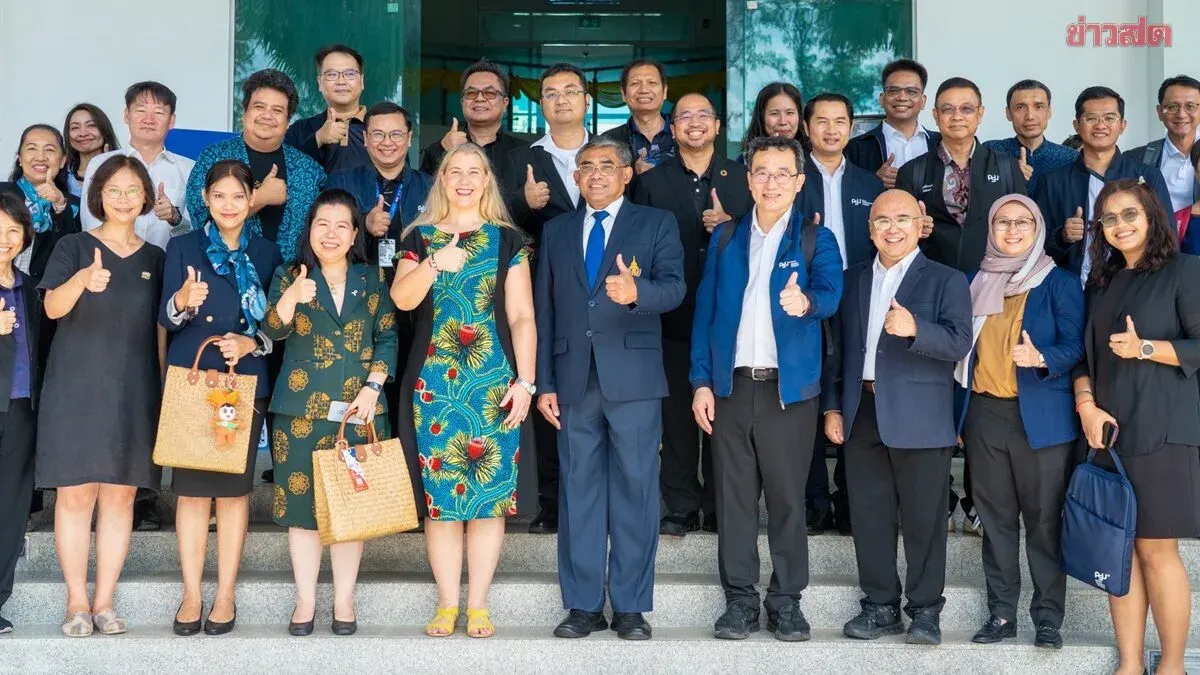
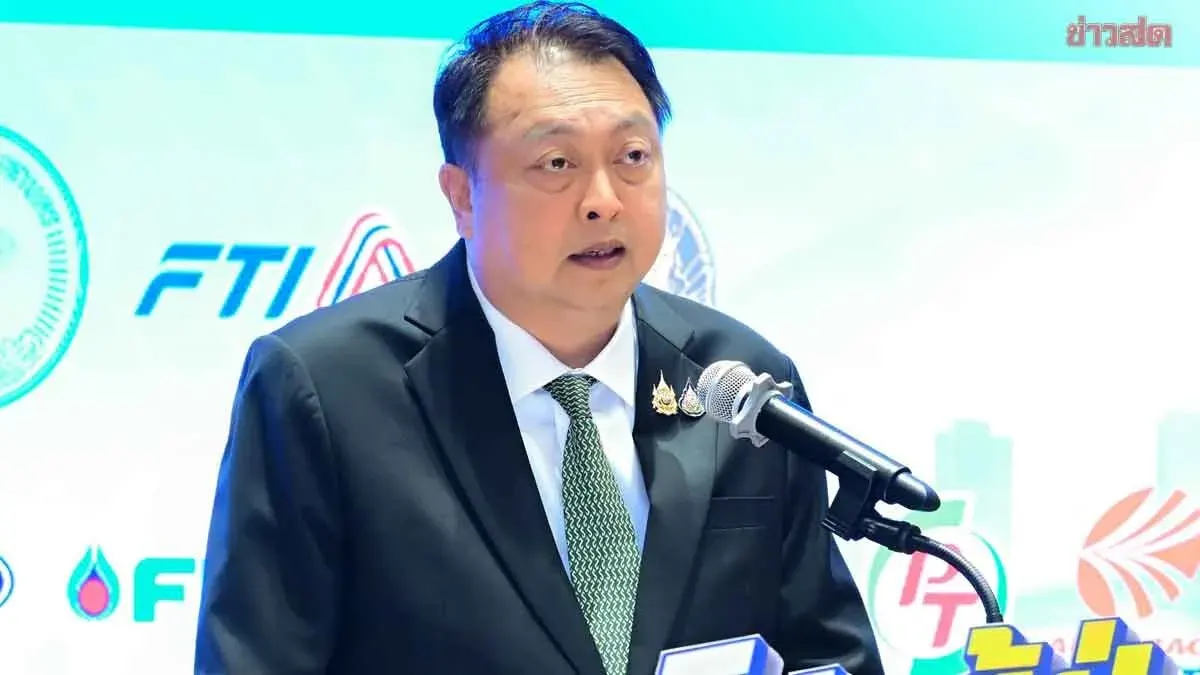
CP Group is sending 19 young leaders to the One Young World 2026 summit in Cape Town, marking the 11th year of its leadership development partnership. At a Bangkok send-off event, Senior Vice Chairman Suphachai Chearavanont urged emerging leaders to combine technological fluency with critical thinking, ethics, and compassion to navigate AI-driven change and global challenges responsibly.
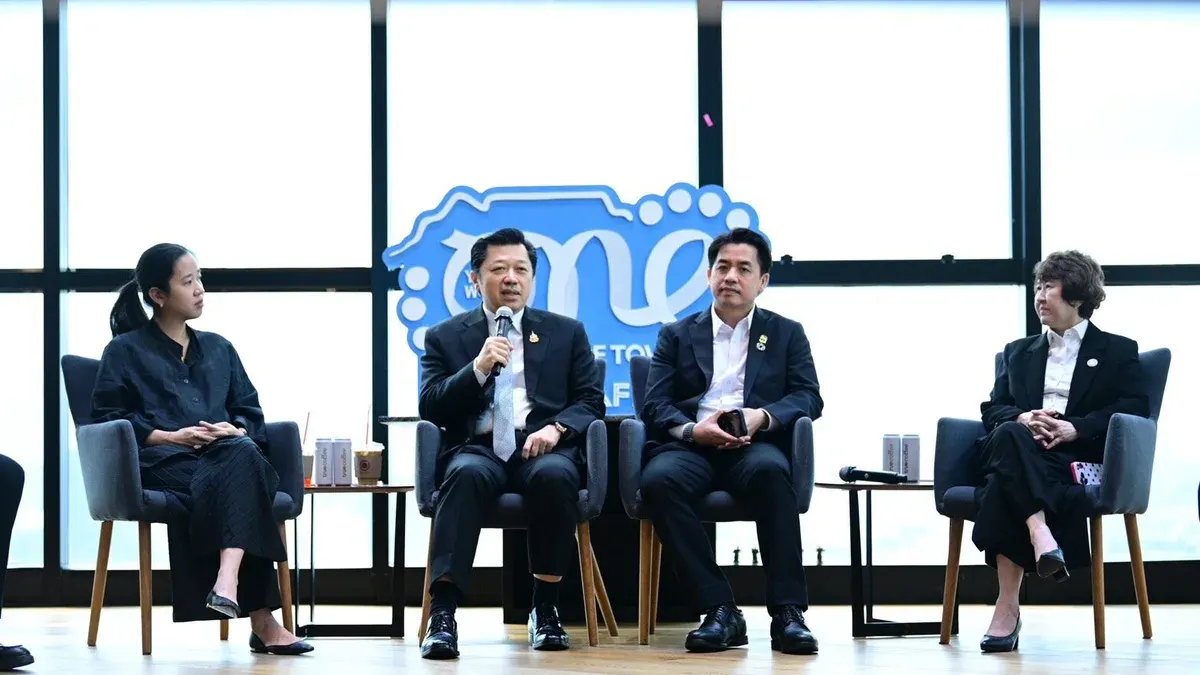
CP Group is dispatching 19 young leaders to One Young World 2026, advancing its 11th consecutive year of cultivating future leadership. The program opens a global platform for perspective-sharing and capacity-building among emerging talent across the conglomerate's diverse businesses. Suphachai Chearavanont, Senior Vice Chairman of Charoen Pokphand Group, articulated his vision for leadership in the age of artificial intelligence during the CP One Young World 2026 "Call to Action" event, themed "My Voice, Our Future," at True Tower in Bangkok before delegates depart for the summit in Cape Town, South Africa, from November 3–6, 2026.
This year's event continues Charoen Pokphand Group's ongoing support for One Young World. Executives attending included Dr. Thiraphat Thananasakiyut, Chairman of the Corporate Sustainability and Strategic Development Committee; Kamolnan Chearavanont Sophonpanich, Head of Sustainability Strategy at True Corporation; and Sarinthara Wongsuphalak, Director of One Young World at Charoen Pokphand Group.
Suphachai emphasized that young people play a pivotal role in the world's future, as they will live with the consequences of today's decisions and face tomorrow's challenges. Creating space for them to voice opinions, exchange experiences, and learn from different perspectives is crucial, especially fostering intergenerational understanding where each generation brings valuable insights for navigating rapid global change.
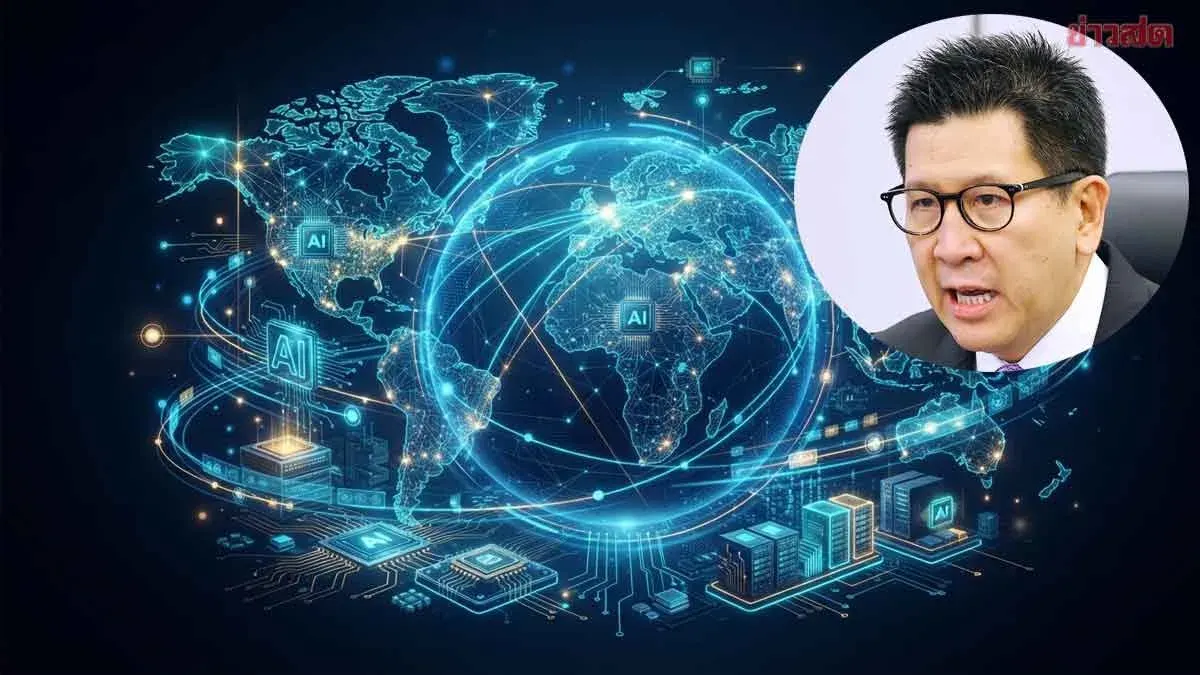
On technology, Suphachai noted AI is profoundly reshaping lifestyles, work, and human relationships. While technology can drive innovation, improve quality of life, and expand knowledge access, it can also cause harm or deepen inequality. The critical question is not how far technology will advance, but which direction humanity chooses to steer it. Humans remain the decision-makers responsible for using technology for social benefit.
He also highlighted interconnected global challenges — geopolitical conflicts, climate change, and technological disruption — which demand more than specialized knowledge. New leaders must possess critical thinking skills, evaluate facts comprehensively, and uphold ethics so decisions account for impacts on self, society, and future generations. Another key principle Suphachai stressed is compassion.