Democrat Leader Defends Flood Response, Backs Fish-Bone Water Plan
Democrat MP Nattapong defends the government's flood response following Chao Phraya Dam releases in Ayutthaya, proposing a "fish-bone" water management system that prioritizes retention fields over linear drainage channels.
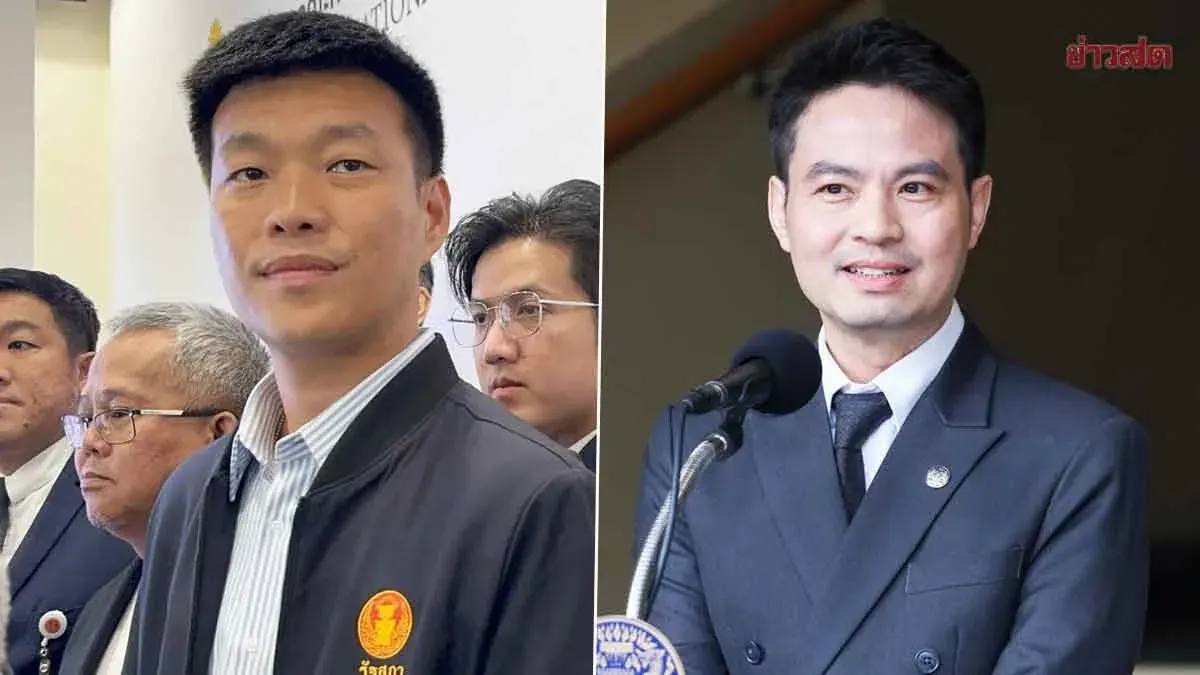
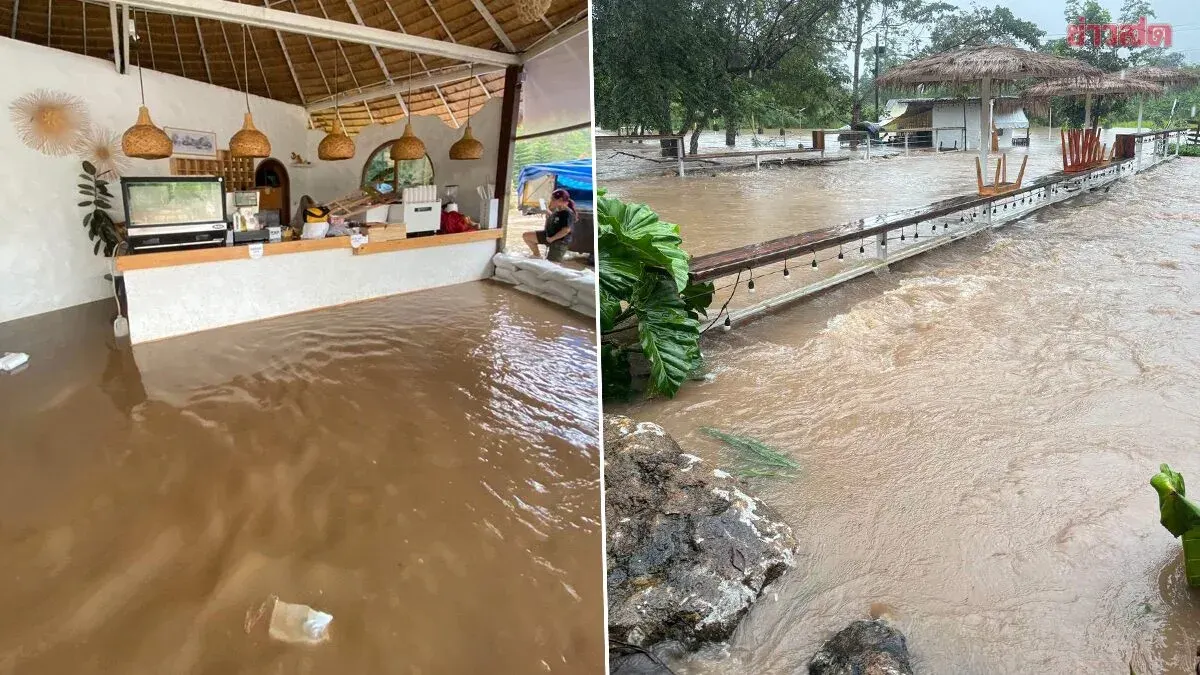
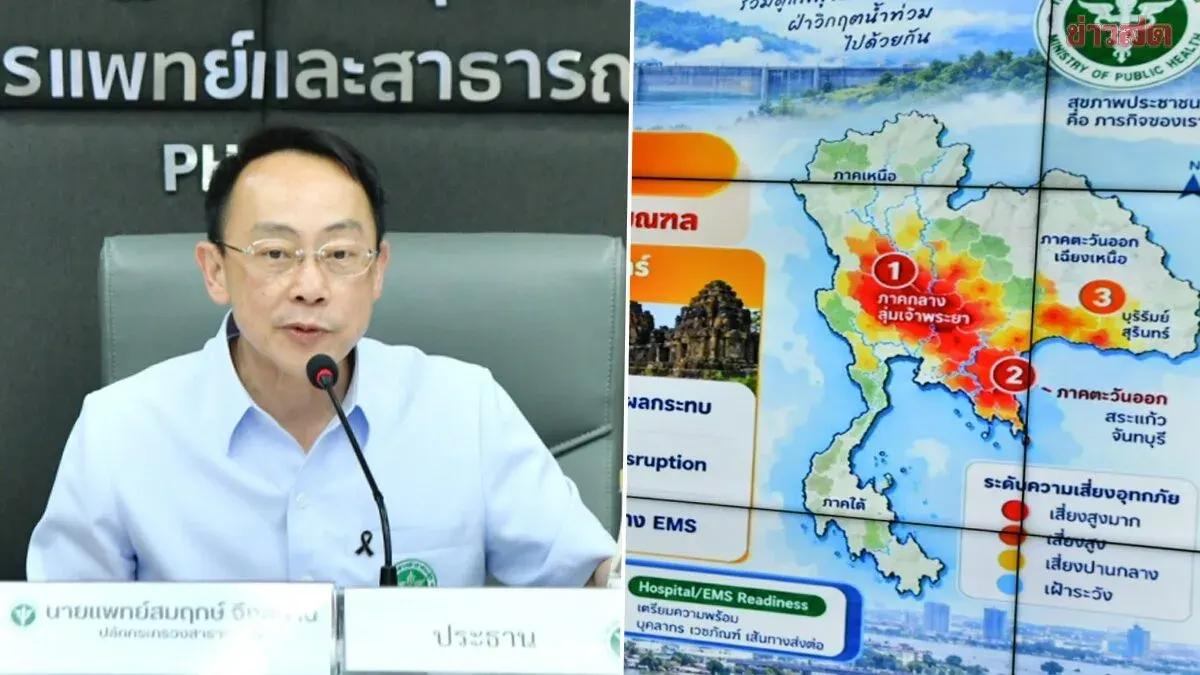
On September 25 at the National Anti-Corruption Commission office, Nattapong Ruengpanya, a Democrat MP and party leader, addressed questions about government water management following the Chao Phraya Dam's release of water affecting downstream areas in Ayutthaya province. He noted that the current heavy rainfall was foreseeable and had been warned about by the Meteorological Department and related agencies for some time.
He stressed that community management is crucial, noting that the rainfall pattern resembles conditions in Nan province with heavy, prolonged flooding. Monitoring the latest situation, he found that rainfall is expected to continue in this saturated pattern for several more days. He emphasized that the government must urgently identify vulnerable populations, establish evacuation centers, provide boat support, and develop contingency plans.
When asked about his planned field visit to Ayutthaya that day, Nattapong said he intended to inspect water retention areas. He noted that the National Water Resources Office's overall water management plan emphasizes drainage in channels more than in retention fields. He mentioned that Prime Minister's Office Minister Phradorn Pruisnanantkul has agreed with the Democrat proposal for a fish-bone water management approach rather than a linear drainage system, which should not focus solely on channel drainage but should examine which retention fields still have capacity to absorb water.
Regarding Phradorn's claim that the Democrat Party is politicizing the flooding problem after a former Democrat MP brought residents to petition Parliament, Nattapong responded that all public problems are inherently political in nature. He noted that those voicing these concerns at Parliament represent affected citizens. He argued that characterizing efforts to amplify public grievances as politicization may be inaccurate, emphasizing that any matter involving the people is directly political.