Deputy Irrigation Chief Tours Mun River to Assess Water Management
Deputy Irrigation Department officials inspected water conditions across three dams and river confluences in Ubon Ratchathani province to assess management strategies and ensure preparedness for potential water-related emergencies.
On July 15, 2025, Deputy Director-General Dech Lekvichai of the Royal Irrigation Department, together with officials from Regional Irrigation Office 7 under director Prinyachah Katchamat, conducted a field inspection of water conditions in Ubon Ratchathani province. The team, including Wuthichai Sritong (Director of Water Management and Maintenance) and Wasant Khaimani (Director of Machinery Operations), monitored and analyzed water trends in the Mun and Mekong rivers. The inspection aimed to gather data and management strategies to inform planning and align water management approaches with current conditions, ensuring efficient and comprehensive coverage of all scenarios.
The team inspected three key locations:
Location 1: Sirindhon Dam in Sirindhon District, Ubon Ratchathani—currently holding 1,118.64 million cubic meters (56.89% capacity), with usable water of 287.26 million cubic meters (25.31%).
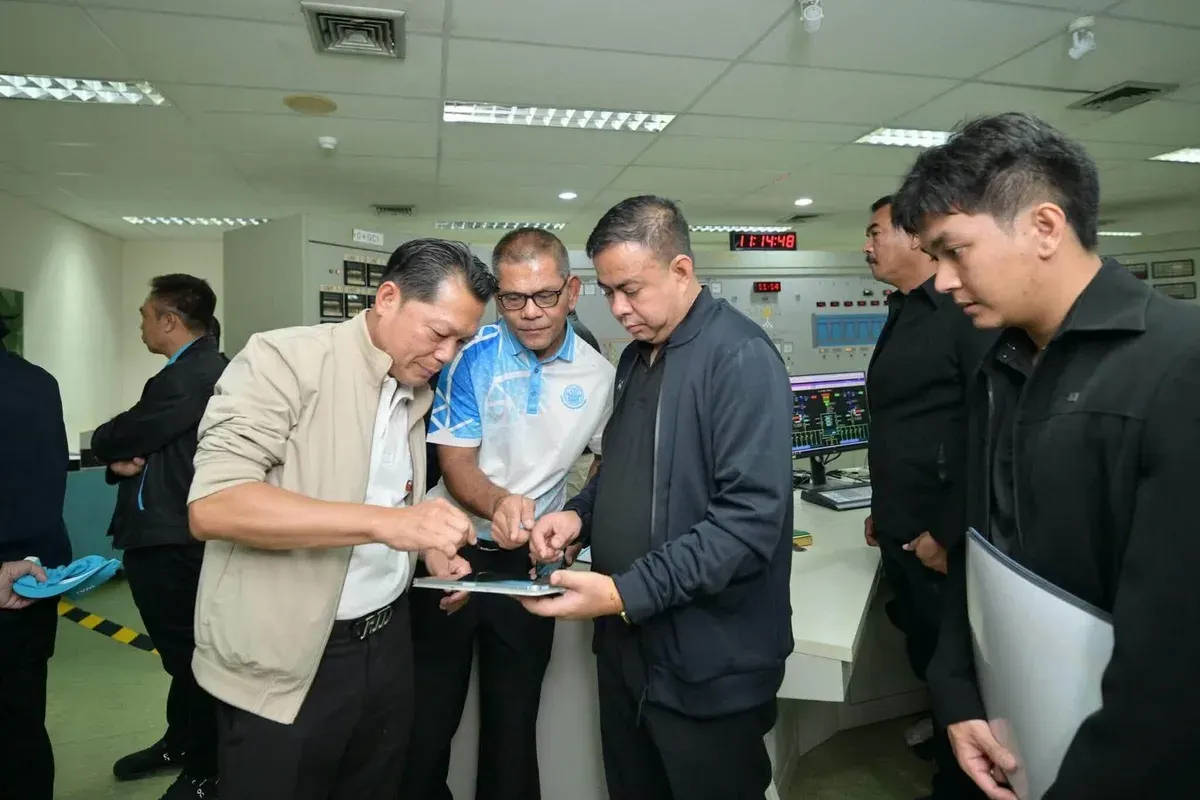
Location 2: Pak Mun Dam in Khong Chiam District, Ubon Ratchathani—current water level at 106.3 meters above mean sea level. At both locations, Akrapol Pothsri, a Level 7 engineer from the Sirindhon Dam Power Plant of the Electricity Generating Authority of Thailand (EGAT), provided data on water volume, levels, and management strategies for close assessment.
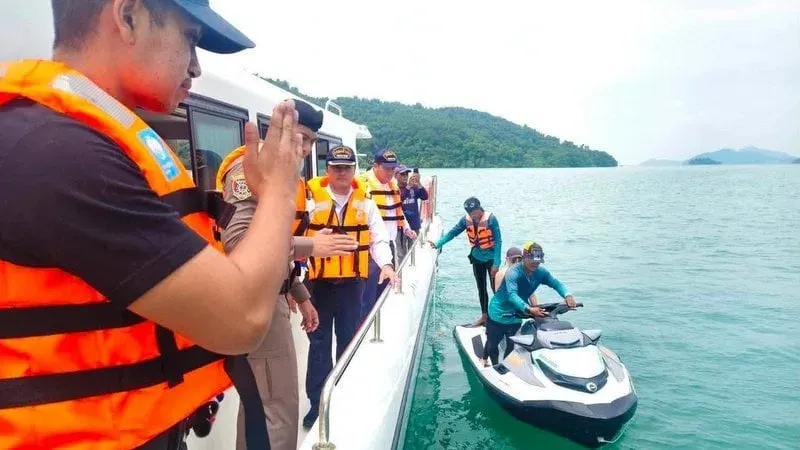
Location 3: Two-Color Rivers Confluence in Khong Chiam District, Ubon Ratchathani—where the Mun and Mekong rivers meet. Current water level in the Mekong at Khong Chiam District stands at 97.83 meters above mean sea level.
The Deputy Director-General instructed Regional Office 7 and its affiliated irrigation projects to closely monitor water conditions and weather forecasts, maintain standby machinery, equipment, and personnel in at-risk areas, and coordinate with all relevant agencies. This preparedness ensures rapid assistance to affected communities and mitigation of potential impacts.