Doctor Oak Lists 10 Critical Signs of Vitamin D Deficiency
A doctor warns of 10 critical signs of vitamin D deficiency including weak muscles, brittle bones, frequent illness, and slow wound healing, recommending sunlight exposure and supplements to address the deficiency.
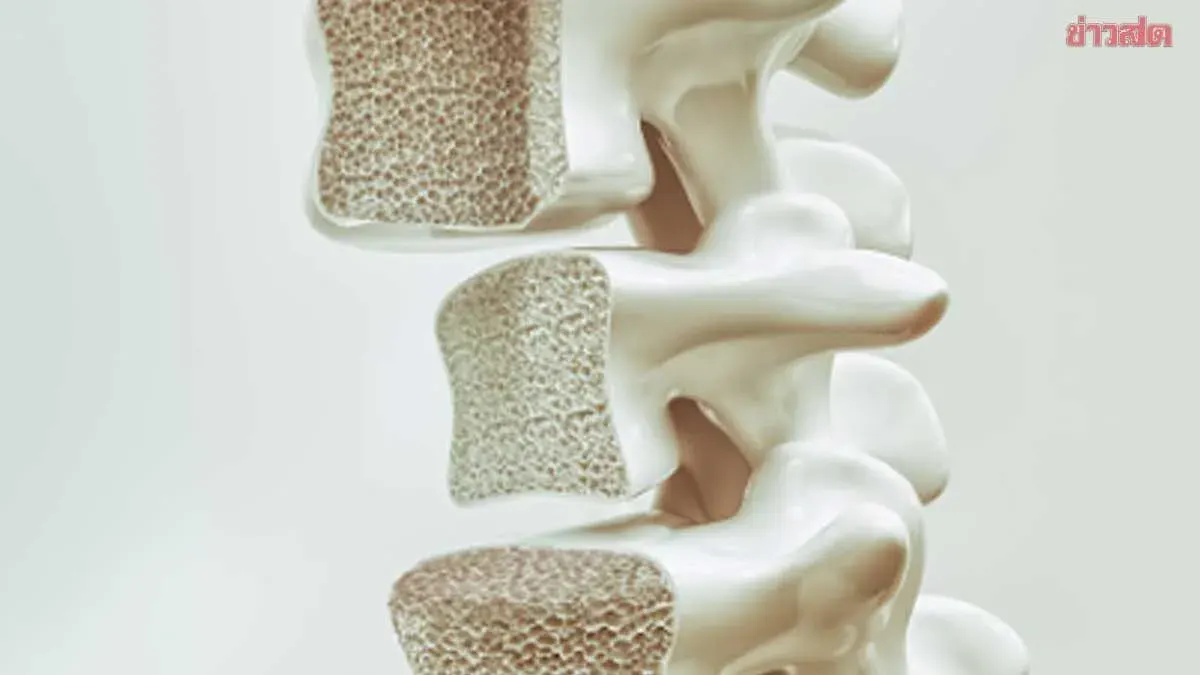
Doctor Suparuk Vicharanayon, who runs the Doctor Oak DoctorSixpack Facebook page, has posted a health warning outlining "10 critical warning signs for people lacking vitamin D: weak muscles, brittle bones, frequent illness, and increased cancer risk."
Here are the 10 warning signs of critical vitamin D deficiency, with explanations and solutions:
1. Frequent illness, persistent colds, and slow recovery Mechanism: When blood vitamin D levels are low, T-cell white blood cells lack receptor activation, preventing them from becoming active killer cells that fight viruses and bacteria. The body loses its defenses, allowing infections to persist longer than normal. Solution: Take a 15-minute morning walk in sunlight, or supplement regularly with vitamin D3 to support white blood cell function.
2. Chronic bone and joint pain Mechanism: Vitamin D deficiency prevents the intestines from absorbing calcium, forcing the body to extract calcium from bones for blood circulation. This causes osteomalacia (bone tissue abnormality), compressing nerves around bones and increasing sensitivity. This results in deep pain in bones and joints, especially in the lower back and hips. Solution: Eat natural calcium sources like black sesame seeds and small fish, combined with vitamin D3 and K2 supplements to restore calcium to bones.
3. Persistent fatigue and exhaustion despite adequate sleep Mechanism: Vitamin D directly affects mitochondrial function—the cellular power plants that produce energy (ATP). When vitamin D is deficient, mitochondria malfunction and cellular energy production drops sharply, leaving you exhausted and drained from the moment you wake up, even after 8 hours of sleep. Solution: Align your sleep schedule with your circadian rhythm, consume adequate protein, and maintain vitamin D levels between 50-80 ng/ml.
4. Weak muscles and easy muscle soreness Mechanism: Skeletal muscle cells contain many vitamin D receptors. Vitamin D coordinates calcium flow into muscle cells for effective contraction. Deficiency impairs nerve signals and calcium movement in muscles, causing easy soreness, frequent cramps, and muscle loss (sarcopenia) in older adults. Solution: Do resistance training combined with vitamin D3 and magnesium supplements to support complete muscle contraction and relaxation.
5. Mood swings, depression, and easy anxiety Mechanism: The brain regions controlling mood have high vitamin D receptor density. Vitamin D acts as an enzyme accelerating the conversion of the amino acid tryptophan into serotonin, the happiness hormone. Deficiency causes serotonin to drop sharply, leading to mood instability and depression. Solution: Engage in outdoor activities and natural sunlight exposure to stimulate both vitamin D and serotonin production, combined with meditation to reduce stress.
6. Wounds heal slowly and inflammation persists Mechanism: Wound healing requires vitamin D to trigger production of a peptide called cathelicidin, which kills bacteria at the wound site and controls collagen formation.