Senior Politician Calls Fishing Crisis a National Priority
A prominent Thai parliamentarian visited Songkhla to highlight the fishing sector's collapse, calling for a dedicated Marine Fisheries Department and warning that structural government failures have cost the nation hundreds of millions in l
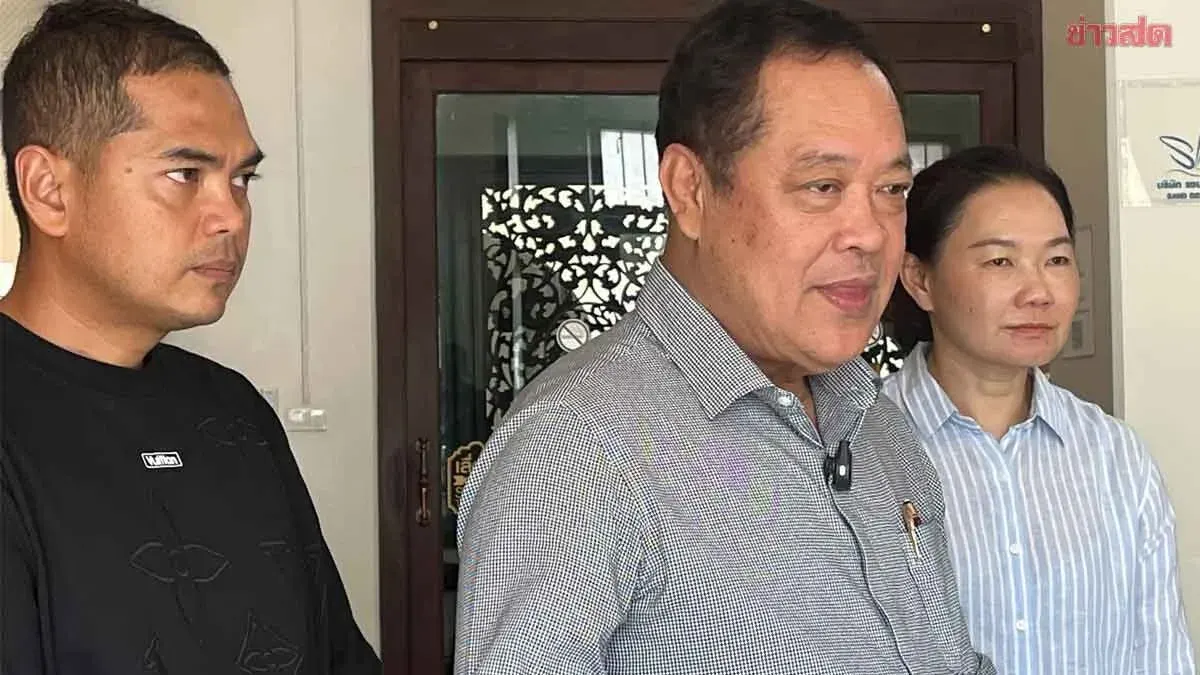
Taweesak Sodsaikhong, a list MP and leader of the Prachathai Party serving on the parliamentary legal and human rights committee, visited Songkhla on September 5 to hear concerns from fishing and seafood processing operators. He was joined by Chophaka Saehang, deputy chair of the Songkhla Fishing Association; Mohammed Benyosae, an executive at A&N Power Development Company; former Department of Labor official Anathi Manop; and others to discuss structural challenges in Thailand's fishing sector.
During a tour of A&N Power Development Company, which processes steamed cooked tuna meat for the food industry under Halal, GMP, and HACCP standards, Taweesak reflected on the crisis. He said that fishers and operators overwhelmingly feel the profession is "collapsing" due to past policies that prioritized legal restrictions over people's survival. Although recent attempts have been made to reform regulations, the situation has deteriorated beyond repair, with many fishers selling their boats and wanting to leave the industry.
Taweesak identified major problems beyond energy costs and foreign competition: the government's administrative structure, particularly the Agriculture Ministry and Department of Fisheries. "The Agriculture Ministry allocates budgets mainly to aquaculture and freshwater fishing, ignoring the ocean sector—which generates enormous revenue," he said. "Even the director-general of the Department of Fisheries typically comes from an inland background, lacking expertise in marine issues and international law. Thailand has lost opportunities worth hundreds of millions."
Taweesak proposed making fisheries reform a "national agenda" and establishing a separate "Marine Fisheries Department" staffed by experts in marine affairs and international law. He also called for a shift in government thinking: rather than intervening directly—risking corruption—the state should provide legal and financial support while letting fishers lead their own initiatives.
Mohammed Benyosae, an executive at A&N Power Development Company, highlighted the processing sector's crisis: domestic fish scarcity is not because Thailand's ocean lacks resources, but because fishing boats cannot operate due to labor shortages and fuel costs that consume 70 percent of fishing expenses. "A single trawler needs 20 to 30 crew members. Processing factories now rely on imported fish for up to 80 percent of raw materials, with only 20 percent from domestic sources. The surimi (fish cake) industry in Thailand also depends on imported raw materials for over 60 percent of production."