Doctors Warn of Poisonous Mushrooms as Rainy Season Begins
As Thailand's rainy season begins, health officials warn that poisonous mushrooms closely resemble edible varieties and cannot be safely identified by appearance, folk testing methods, or cooking, with 335 poisoning cases already recorded t
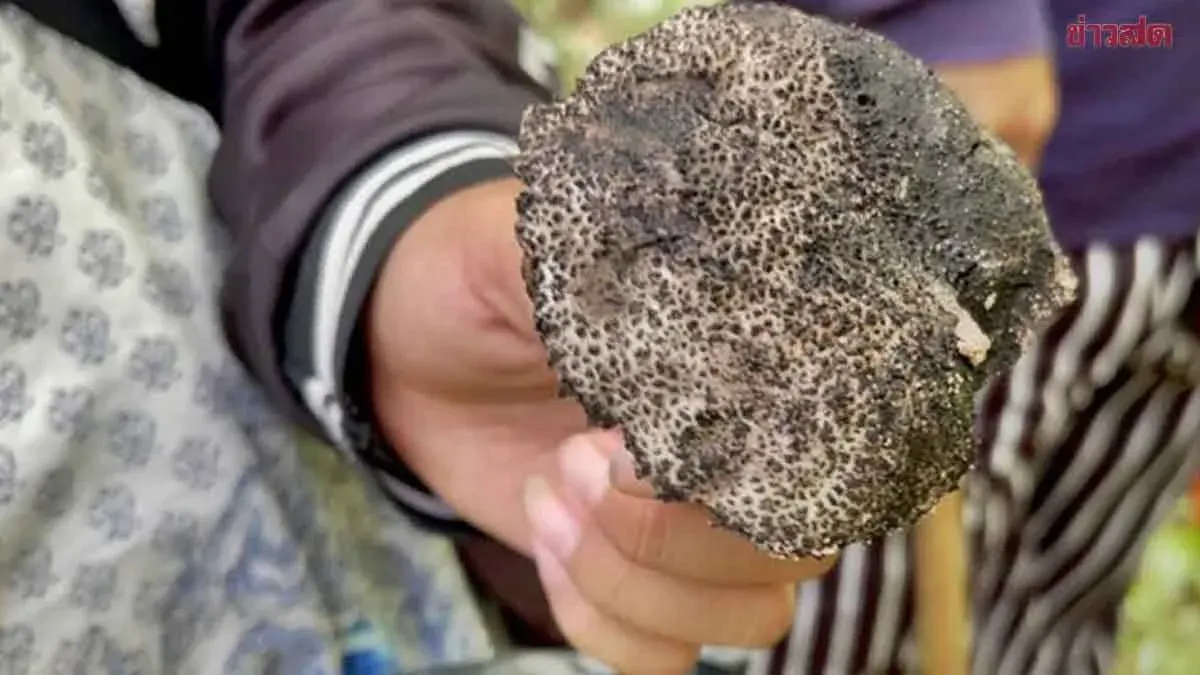
On September 21, Dr. Sailakshan Phimkaew, director of the Nakhon Ratchasima Health Region 9 Office, warned that the rainy season brings a natural proliferation of wild mushrooms, both edible and toxic varieties. Many poisonous species closely resemble safe varieties to the naked eye, leading people to mistakenly include toxic mushrooms in their meals. Officials strongly advise against collecting, purchasing, or consuming any unfamiliar or uncertain mushroom species.
Dangerous species to watch for include the poisonous funnel mushroom, blood charcoal mushroom, yellow slime mushroom, and Chinese hat mushroom, which are easily confused with edible varieties. Officials cautioned against relying solely on appearance, color, or foraging experience to judge safety, and stressed that traditional folk testing methods—such as boiling mushrooms with rice or garlic to watch for color changes, using silver spoons to detect poison, or checking for insect marks—cannot reliably confirm whether mushrooms are toxic. Cooking mushrooms thoroughly also provides no guarantee of safety, as toxins in some species resist heat.
From January to September 21, 2025, the Health Region 9 office recorded 335 poisoning cases and one death across four provinces: Chaiyaphum (188 cases, 1 death), Surin (65 cases), Buriram (58 cases), and Nakhon Ratchasima (24 cases). Most victims were women aged 65 and above, followed by those aged 55 to 64, primarily farmers and agricultural workers.
Dr. Sailakshan advised anyone experiencing symptoms after mushroom consumption—dizziness, nausea, vomiting, abdominal pain, or diarrhea—to seek immediate medical attention rather than waiting for symptoms to worsen. Patients should inform doctors of their mushroom consumption history and bring leftover mushroom samples or photographs for diagnosis. Those who consumed mushrooms from the same source should also be monitored. Officials warned against inducing vomiting by touching the throat or consuming raw egg whites, as this may cause choking and injury.
The public is urged to purchase mushrooms only from reputable cultivation sources, avoid collecting or eating wild mushrooms of unknown identity, avoid mushrooms grown in areas treated with chemicals, and avoid consuming raw or partially cooked mushrooms. Mushroom consumption should never be combined with alcohol, as some species may react with alcohol and cause adverse reactions. The message is clear: "Unknown mushrooms, uncertain identity—do not collect, do not eat." Anyone experiencing unusual symptoms after mushroom consumption should seek immediate medical care without delay. For more information, call the Disease Control Department hotline at 1422.