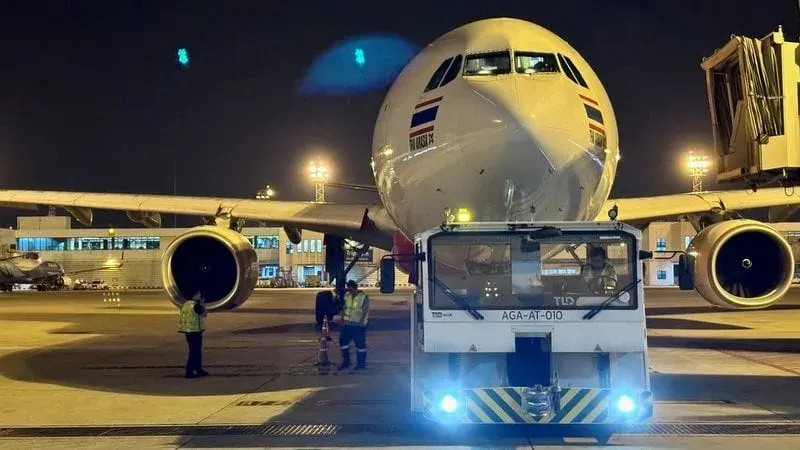
Drug Agents Trace Heroin Smuggling Ring Through Three Routes
Thai drug agents have dismantled a heroin smuggling network operating through three routes from the Golden Triangle, with shipments smuggled by an airline crew member to Australia. Authorities expect to reveal full details within one to two
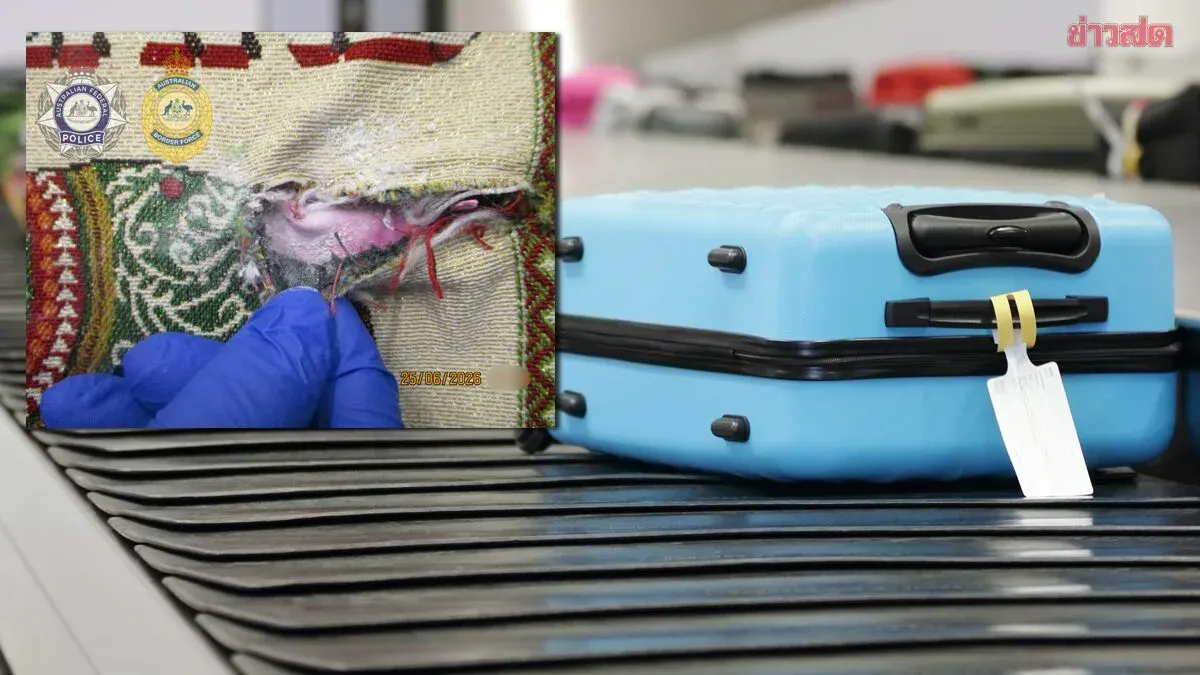
Thai drug enforcement authorities say they have identified the source of a drug trafficking network and hidden heroin shipments sent through a female airline crew member. Officials expect clarity on the case within one to two days. On July 2, Areephakdi Ngenbarun, deputy secretary-general of the Office of the Narcotics Control Board (ONCB), disclosed that ONCB officers launched a nationwide drug network investigation on the night of July 1. The investigation uncovered a trafficking operation originating from the Golden Triangle in neighboring countries. Authorities are determining whether the network directly connects to the airline worker's case, with preliminary findings showing both connected and unconnected elements. Officials requested time to thoroughly review all investigation results before issuing a full statement later that day.
When asked about reports of arrests related to a suspected sedan and individuals in a Bangkok soi during the early morning of July 1, Areephakdi stated the case appeared to be a separate matter initially unconnected to the airline worker's case, though the ONCB is aggressively pursuing related leads. Officials expect clarity within one to two days, following directives from the ONCB secretary-general to conduct operations thoroughly.
Regarding a suspect vehicle in Bangkok potentially involved in heroin trafficking, Areephakdi expressed confidence that extensive CCTV coverage in the capital would enable investigators to track and interrogate the individual even if they don't voluntarily report, thereby establishing connections.
Areephakdi stated the primary objective within one to two days is dismantling the trafficking ring and identifying drug smuggling routes from Thailand to Australia. The network apparently uses "mules" or couriers to transport heroin and store it before export. The ONCB has obtained partial information on routes and identified network members and recipients in Australia. All findings will be coordinated with Australian authorities.
When asked why the airline worker trusted a Facebook page called "Rose Rose" and agreed to carry luggage across borders despite strict crew regulations, Areephakdi noted officials have been suspicious throughout, as the items lacked clear ownership documentation. The airline worker herself remains the best source for answers. Australian authorities are compiling her statement for the ONCB.
Areephakdi confirmed the ONCB has identified the source of the trafficking network and luggage involved in the airline worker's case but is still conducting deep operations and cannot yet reveal details. Officials confirmed the heroin originated abroad and are tracing its specific source. The network uses three primary trafficking routes: the Northern region, the Northeastern region (Golden Triangle), and Kanchanaburi province, as Thailand has no heroin production. Traffickers typically use Thailand as a repackaging and transshipment hub before delivery to airline crews.