Education Ministry Deploys NFE Teachers to Aid Flood Victims Nationwide
Deputy Education Minister Akkanat Kanchitthinan has mobilized Non-Formal Education teachers across Thailand to help flood victims apply for the 9,000‑baht government relief payment, especially those who are elderly, live in remote areas, or lack computer skills. He stressed that the Ministry of Education must ensure everyone can access their entitlements, sending teachers into communities to assist with paperwork and online applications. The initiative aims to provide swift, inclusive assistance and prevent anyone from missing out on the aid they deserve.
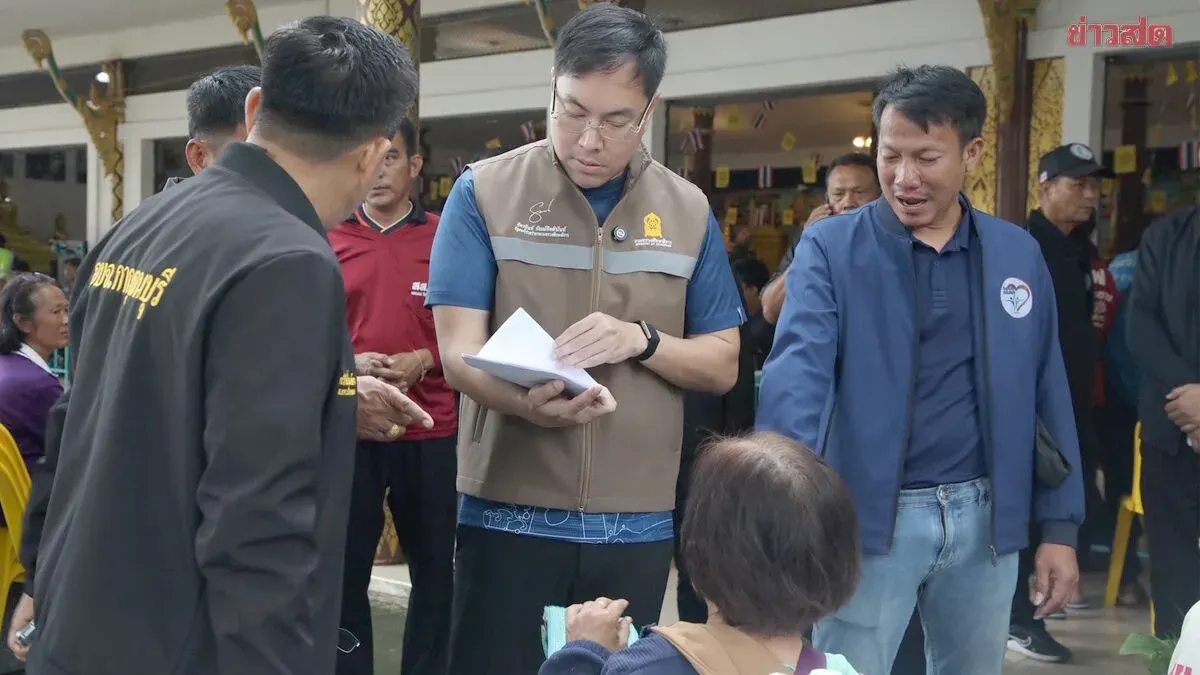
Akkanat Kanchitthinan, Deputy Minister of Education and chairman of the Center for Protection of Rights, Freedoms and Safety, disclosed that widespread flooding has left many people in distress and in urgent need of government assistance, especially the 9,000‑baht flood‑relief payment stipulated by the Department of Disaster Prevention and Mitigation. He pointed out that a significant number of affected individuals—particularly the elderly, those living in remote areas, and those unfamiliar with computers and electronic systems—are unable to file the claim themselves, which could prevent them from receiving the aid they are entitled to. In response, the Ministry of Education has assigned the Department of Non‑Formal Education and its teachers, who have a presence across the country, to undertake proactive community work, coordinating and facilitating the completion of application forms and submission of claims for the relief money. “We must not let people lose their rights simply because they cannot use a computer or do not understand the paperwork,” Akkanat said. “When the public is struggling, government agencies must go to them.” Dr. Ketsupanya Suphawanich, Director‑General of the Department of Non‑Formal Education, issued urgent orders for teachers in flood‑hit localities to survey residents and assist those who cannot apply online, ensuring broad access to state assistance. Akkanat added that the role of the Ministry of Education extends beyond classroom instruction; teachers are the closest link to communities and can serve as a vital conduit connecting people to government services during crises. “The Ministry of Education does not only look after people in the classroom; we must also look after them when they are in trouble. We have NFE teachers in every part of the country, and if their knowledge and strength can help even one person receive the relief they deserve, we should deploy our network immediately.” The operation will focus on reaching flood‑affected populations, especially senior citizens, those with limited technology skills, and households unable to complete electronic procedures on their own, to make the aid swift, comprehensive, and inclusive. “NFE teachers nationwide stand ready to be another key force of the government in helping the public overcome this crisis together.”