Engineers Monitor Purple Line Tunnel Water Leaks Near Roundabout
Water is infiltrating Thailand's Purple Line subway tunnel near Lumpini roundabout, prompting engineers to monitor nearby buildings for settlement and soil damage that could trigger road collapse and structural failures.
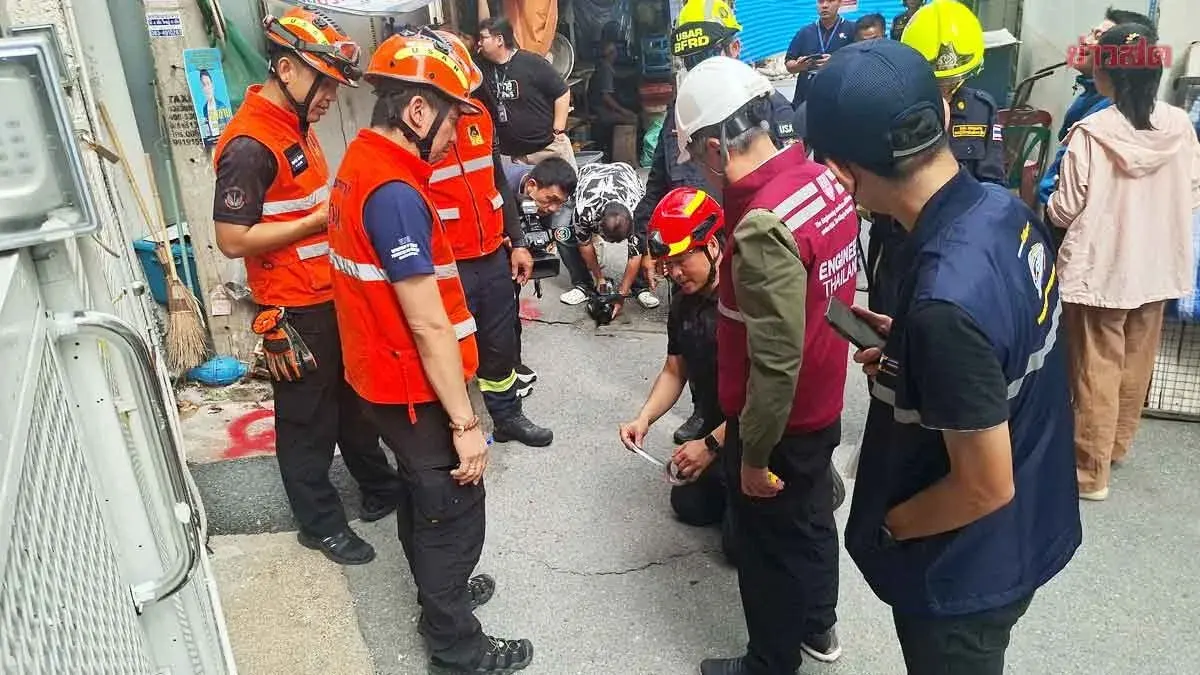
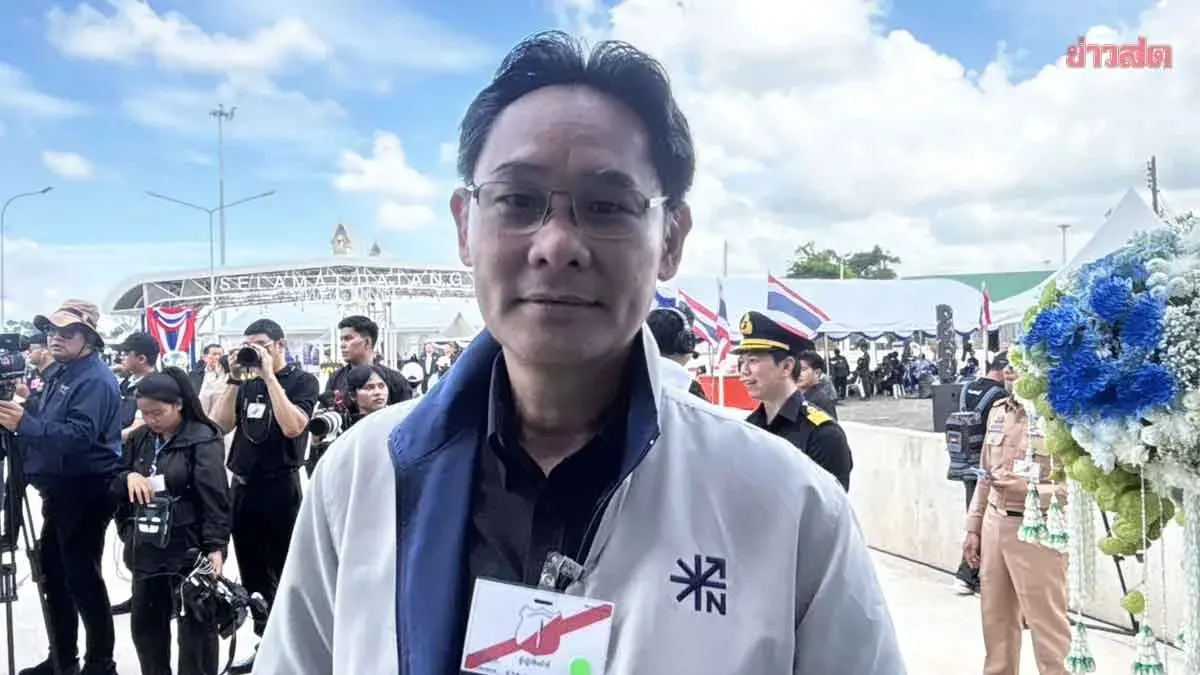
On July 10, 2026, Assoc. Prof. Dr. Amorn Pimanmas, Chief Structural Engineer of Thailand and advisor to the Parliamentary Transportation Committee, inspected water infiltration into the Purple Line subway tunnel construction site between Saothon and Ratchadamnoen stations near the Lumpini roundabout.
Assoc. Prof. Dr. Amorn revealed he visited two locations. The first was a building with confirmed cracks near the construction pit. Underground railway construction requires building a pit at the tunnel's lowest point to collect and pump out water. Standard site protocols involve soil improvement through chemical and cement injection to harden the soil and prevent water seepage. However, it remains unclear whether soil treatment adequately covered the affected area, as construction reportedly finished.
Current measures include additional cement reinforcement to harden the soil and reduce water infiltration into the tunnel. "Water entering isn't our main concern—soil infiltration is," Assoc. Prof. Dr. Amorn stated. "Soil entering causes road collapse and damages structures. Many nearby buildings are old and decades-old, making them vulnerable to subsidence."
The Structural Engineers Association measured the building on July 9, establishing a baseline reference. Measurements will resume on July 11 to track daily settlement rates, which indicate whether pressure-relief measures—including deep wells to pump water and reduce pressure—are working effectively.
Assoc. Prof. Dr. Amorn urged preparing contingency plans if current measures fail. Alternative approaches include injecting pressurized water on both sides to counteract soil and sand movement into the lowest point.
He also recommended monitoring water inflow rate against pumping capacity, and daily road settlement measurements at multiple intervals. While additional settling is expected during underground repairs, the riskiest zone is the pit area, where surrounding points face maximum danger as water and soil are drawn inward.
He cautioned against public panic, distinguishing this from the Vajira Hospital sinkhole case, where the tunnel connected to a station with numerous openings allowing soil flow. Here, the lowest tunnel point with a pit below carries lower soil volume risk due to soil hardening treatment. "Let's await the structural measurements," Assoc. Prof. Dr. Amorn concluded.