FAO Urges Thailand to Shift From Disaster Response to Climate Risk Prevention
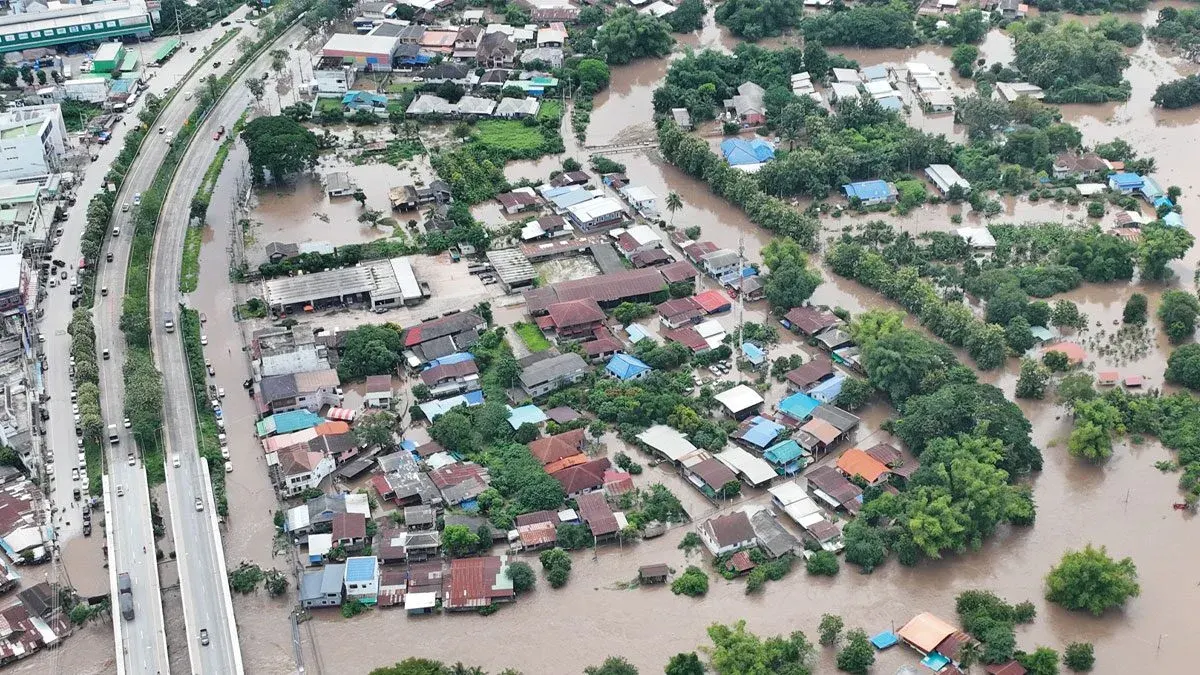
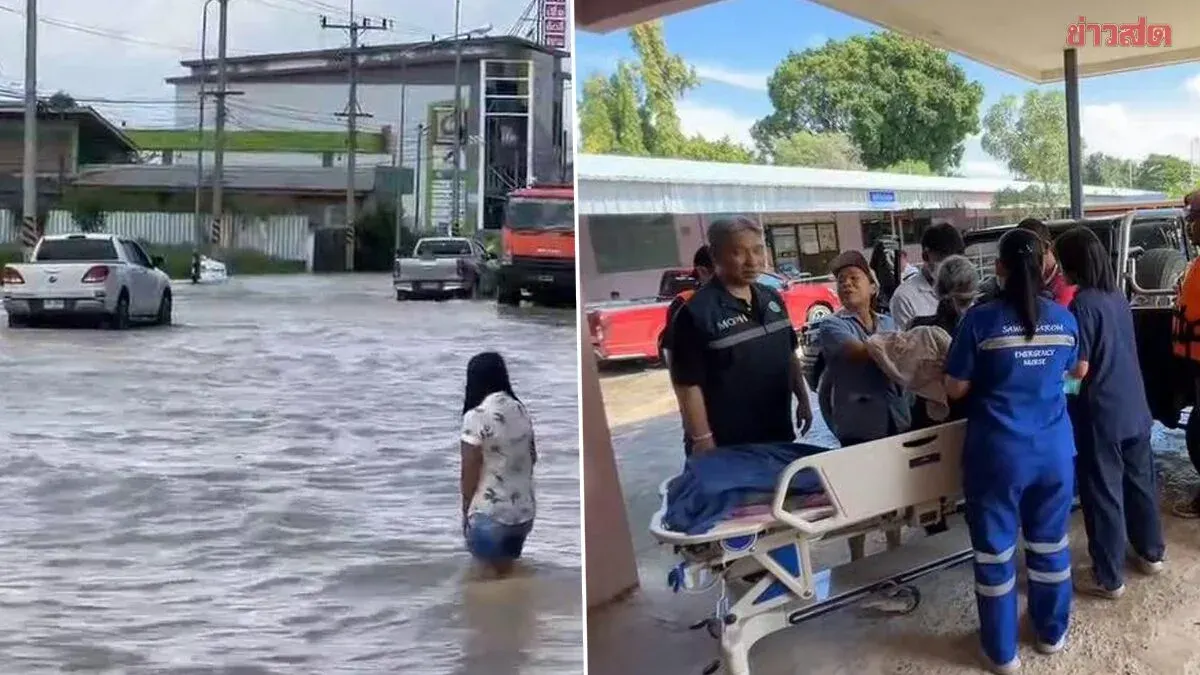
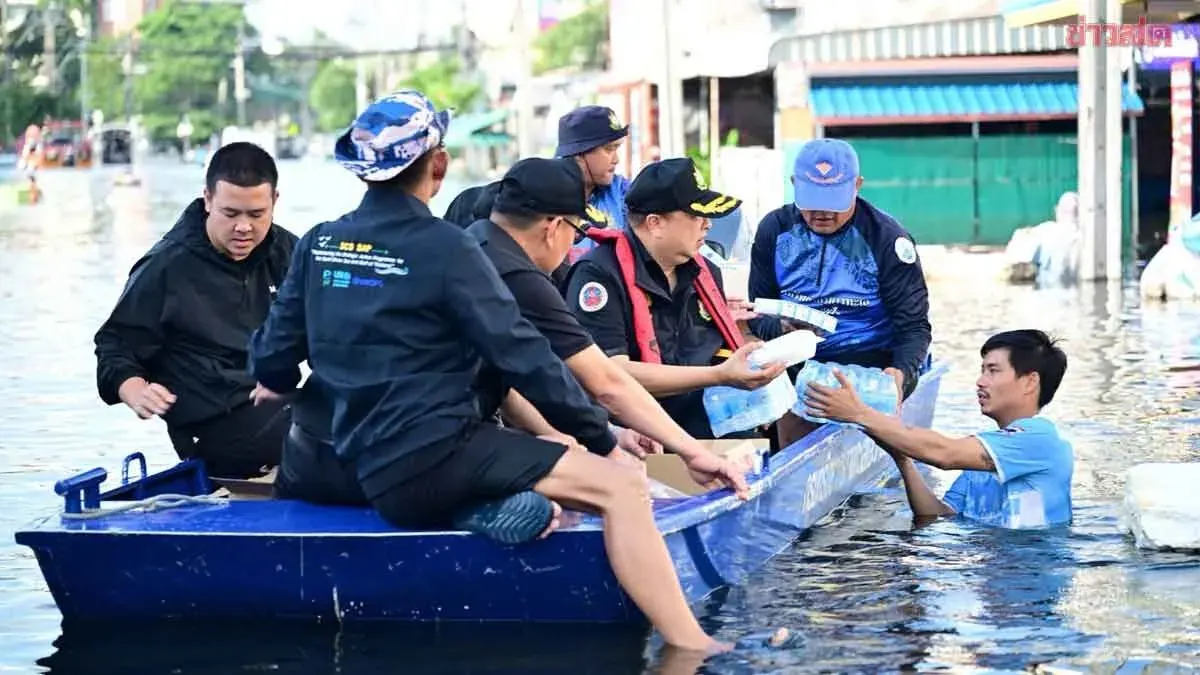
The FAO and Thailand's Department of Climate Change and Environment launched a national dialogue to help the country shift from disaster response to proactive climate risk reduction, supported by the UK government's Climate Action for a Resilient Asia programme. The initiative, which brought together over 150 stakeholders, aims to strengthen local planning, early warning systems, and agricultural resilience to protect livelihoods and food security. Officials stressed that investing in climate data, early warning mechanisms, and local planning is more cost-effective than managing disasters after they occur.
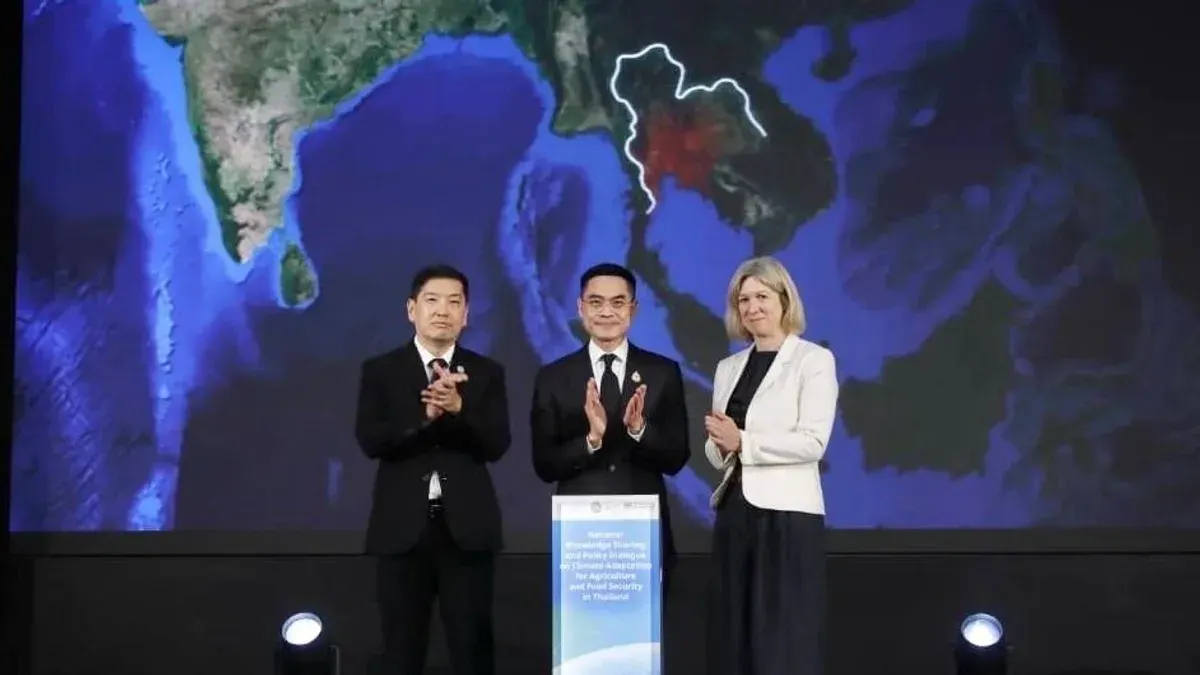
The Food and Agriculture Organization of the United Nations (FAO) and the Department of Climate Change and Environment (DCCE), with support from the UK Foreign, Commonwealth and Development Office (FCDO), convened a national knowledge-sharing and policy dialogue on climate adaptation for agriculture and food security in Thailand. The event brought together more than 150 representatives from government agencies, the private sector, educational institutions, civil society, farmer groups, UN agencies, and development partners at the Amari Watergate Hotel in Bangkok.
The dialogue aimed to translate national-level adaptation strategies into concrete action that enables farmers and communities to reduce disaster risk before catastrophes occur, moving away from post-disaster response toward proactive risk reduction and long-term resilience building.
Her Excellency Nicola Politt, British Ambassador to Thailand, highlighted the global climate crisis, noting that extreme weather—from heat waves to heavy rainfall—is intensifying worldwide. Thailand faces particular threats from predicted heavy rains over the next one to two months, while El Niño-driven droughts pose additional risks to water supplies, agricultural yields, farmer livelihoods, and food security.
Politt stressed that many countries still have an opportunity to prepare and prevent impacts before they worsen. The UK government recognizes that proactive adaptation and prevention are more cost-effective and deliver better outcomes than managing crises after they occur. Key investments include climate data systems, early warning mechanisms, local-level planning, and financial tools to help communities manage unavoidable risks.
"The UK has supported Thailand through the CARA programme since 2024 to translate national adaptation priorities into concrete action for farmers and communities," Politt said. "Climate adaptation protects lives and property, ensures food security, and reduces economic losses. It requires effective coordination between national policy and on-the-ground implementation, with close collaboration among government, academia, the private sector, and development partners."
Ken Shimizu, FAO Regional Deputy Representative for Asia and the Pacific, also emphasized climate collaboration as a key priority for the region.