Thailand Backs 165 Billion Baht Flood Control Megaproject
Thailand's Cabinet has approved a 165 billion baht flood management project spanning eight years to protect central Thailand, Bangkok, and surrounding areas from recurring flooding. The scheme is expected to reduce annual flood damage by 17 billion baht once completed in 2035. Recent September flooding caused estimated losses of up to 20.6 billion baht and exposed coordination gaps across government agencies, prompting officials to strengthen interim flood response procedures.
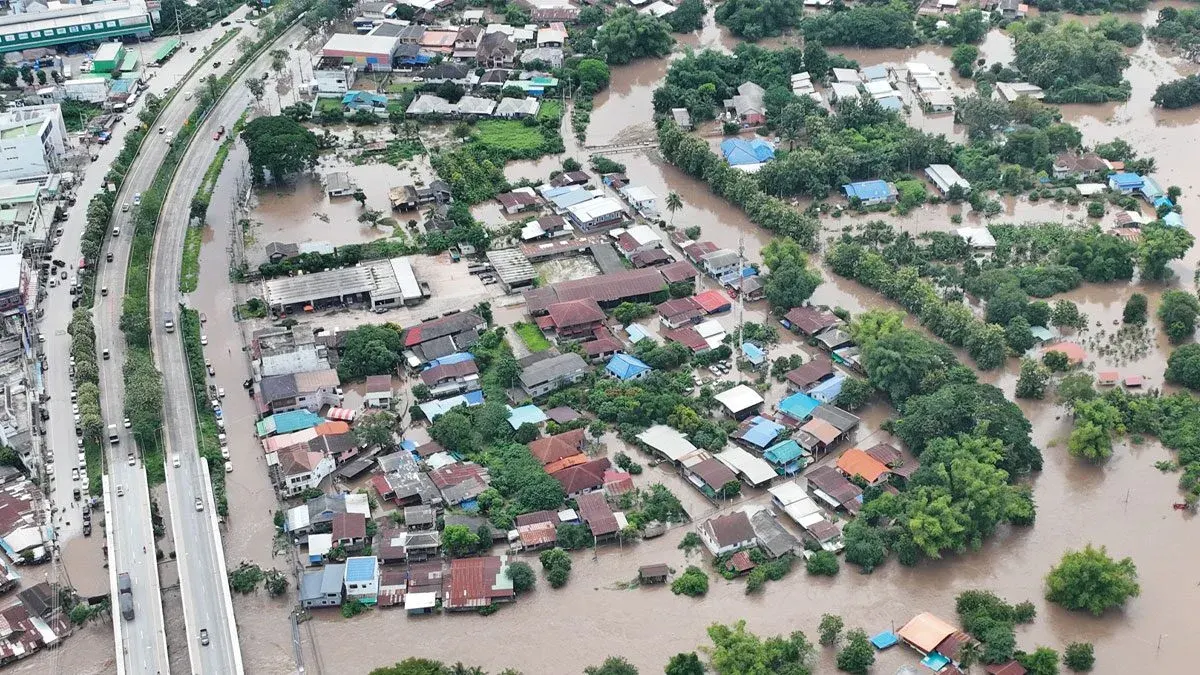
The Cabinet has approved a long-term water management project for the Chainat-Phichit-Gulf of Thailand region to prevent flooding. The project requires 165 billion baht in funding, with part coming from foreign loans, and will take 8 years to implement beginning in 2027. It has already passed environmental impact assessment.
Government officials say the completed project will significantly improve flood prevention across central Thailand, Bangkok, and surrounding areas, and is expected to reduce annual flood damage by 17 billion baht.
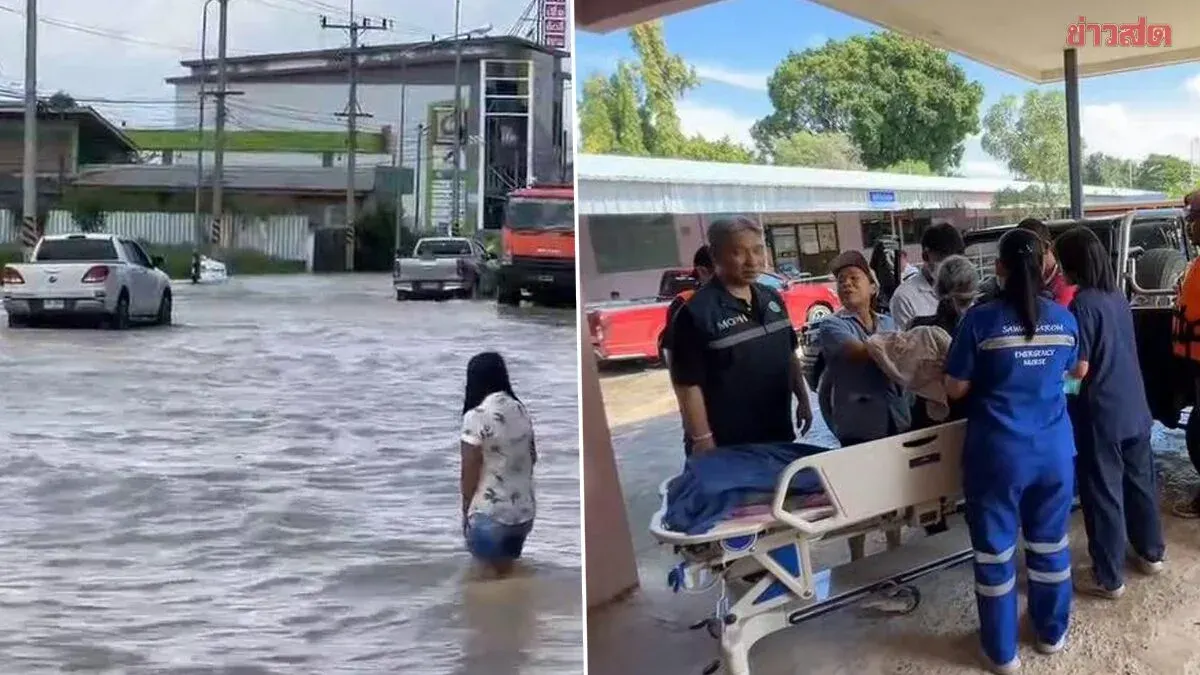
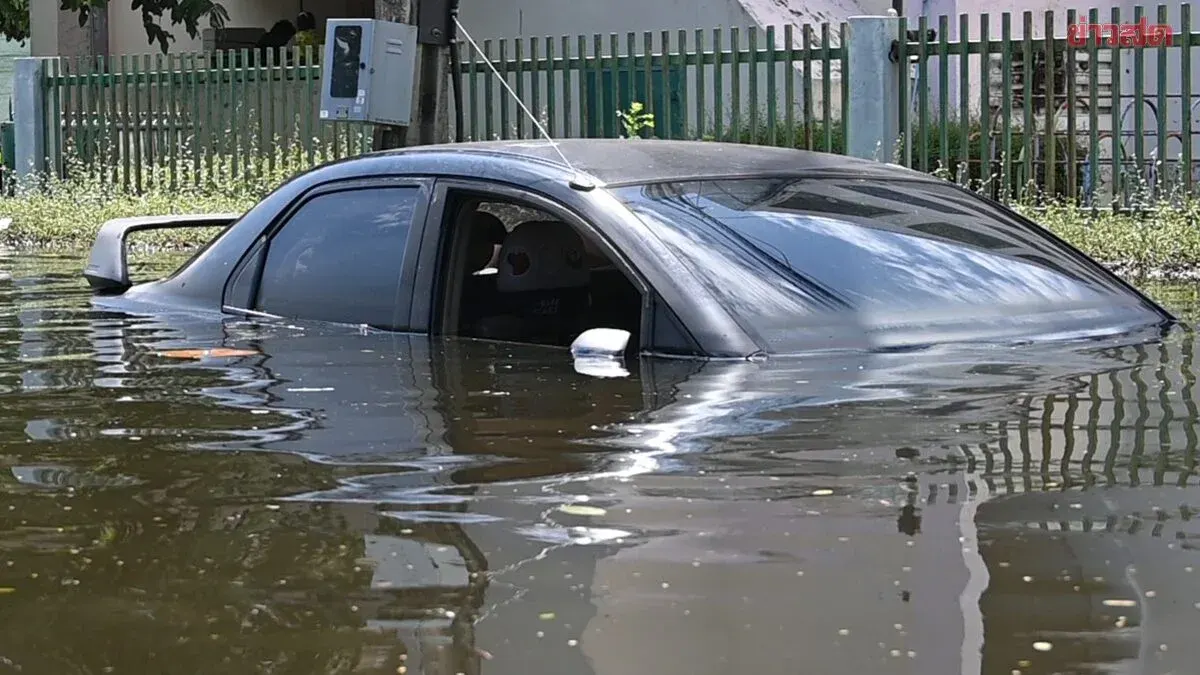
Flooding occurs regularly in Thailand due to regional geography and climate, causing widespread damage each year. September 25-29, 2024 flooding hit Bangkok, surrounding provinces, and central and eastern regions. The Thai Chamber of Commerce's Economic and Business Forecasting Center estimated damages at 12.3 billion baht in the most likely scenario, reducing GDP by 0.066 percent. In mild scenarios, damage was estimated at 5.9 billion baht (0.03 percent GDP reduction), while severe scenarios reached 20.6 billion baht (0.11 percent GDP reduction), excluding damage to homes, vehicles, inventory, and agricultural output.
Recent major flooding has caused widespread damage across central, eastern, and northeastern regions, plus Bangkok and its surroundings. Poor situational assessments at government, ministry, provincial, and local administrative levels contributed to the crisis.
While the government's commitment to a billion-baht megaproject is positive, implementation will take many years. In the interim, the government must adopt more systematic contingency planning and better coordination between agencies as a unified response. The southern region faces particular risk from heavy rains and flash flooding ahead.