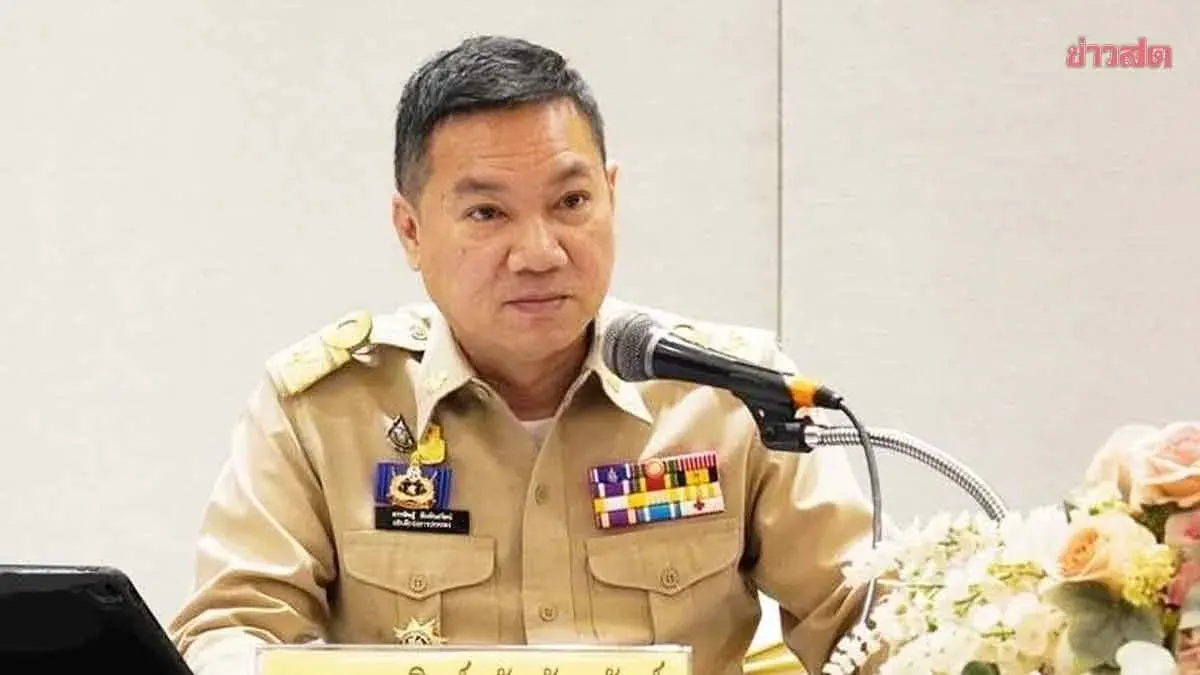
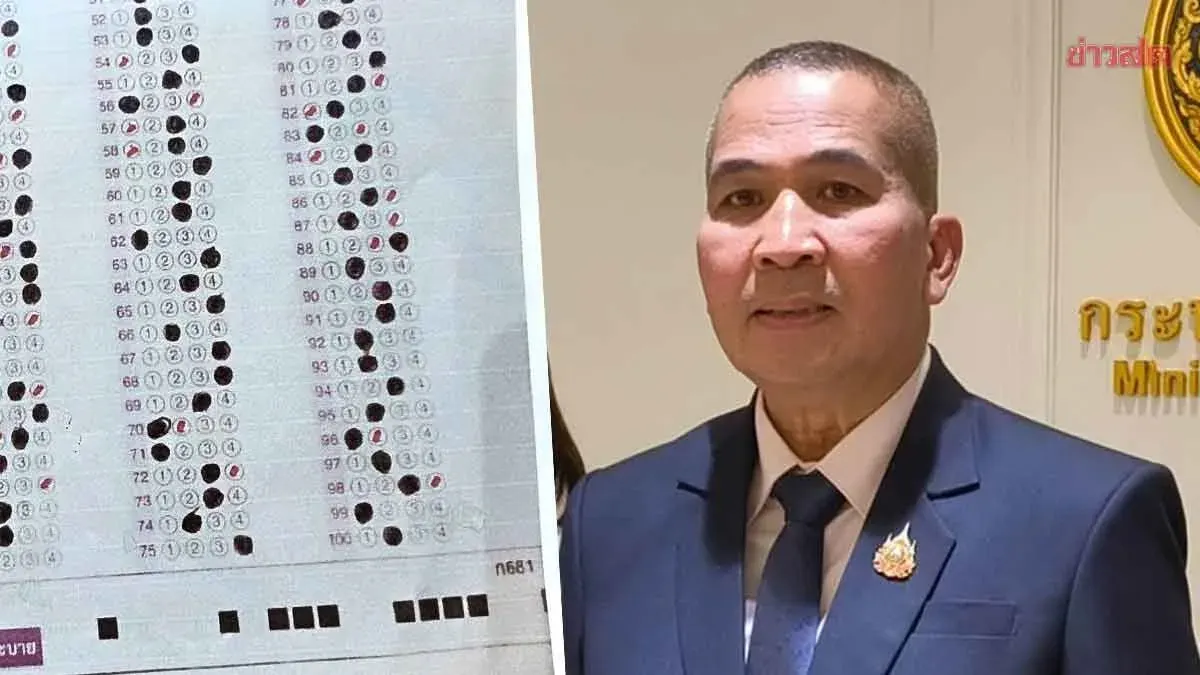
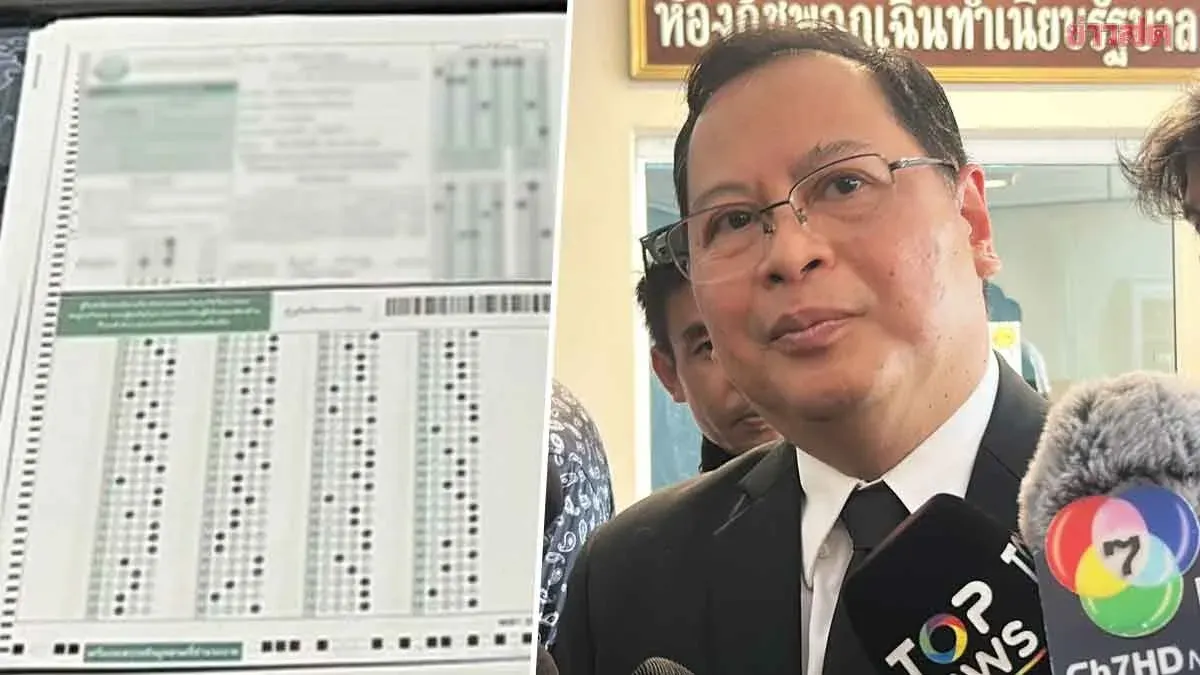
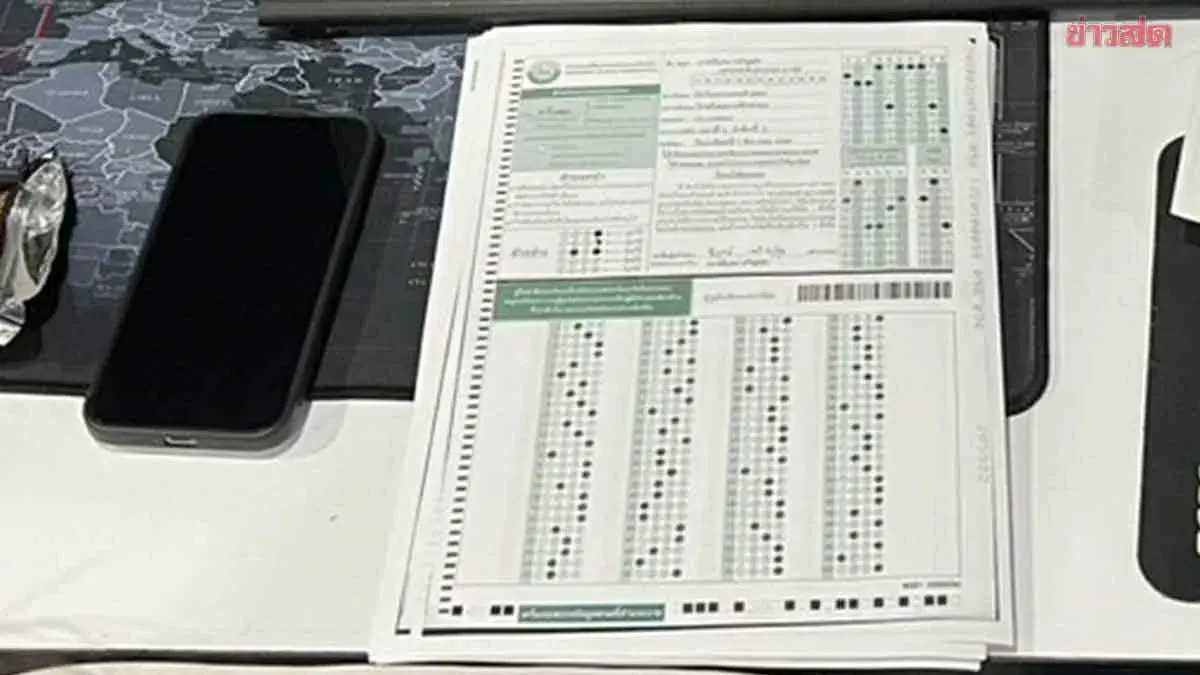
Deputy PM Pokorn Nillpraphand unveiled five anti-fraud measures for civil service exams pending Cabinet approval, vowing swift action after investigations into 2024 cheating cases involving Interior Ministry officials altering scores.
At 9:15 a.m. on July 7, 2025, at Government House, Deputy Prime Minister Pokorn Nillpraphand discussed five measures to prevent civil service exam fraud. He stated the Civil Service Commission has approved the proposals and they are pending Cabinet review. Once the CSC completes documentation, he expects cabinet submission soon and will push for the fastest possible timeline, calling the issue unacceptable.
As a former civil servant, Nillpraphand expressed deep disappointment at reports of uniformed officials altering exam scores. He said society cannot tolerate such conduct and accepted the Prime Minister's assignment to chair a fact-finding and legal examination committee investigating 2024 exam fraud cases. He will initially examine issues within the Interior Ministry and identify broader problems involving all involved parties—contractors, employers, and outside individuals—pending detailed reports from the ministry.
The National Anti-Corruption Commission's secretary-general has been tasked with coordinating with police to gather complaint information and evidence for prosecution. The committee's first meeting is scheduled for July 8, as the Prime Minister is eager for quick resolution.
When asked if investigations could expand beyond Interior Ministry exam results, Nillpraphand said he hasn't convened the committee yet and hesitated to commit. He emphasized they will do their best, noting the issue has circulated for long without serious investigation. "This is a good opportunity to clean house," he said, adding that dismissal may be simpler than early retirement.
Regarding next steps after the committee concludes, Nillpraphand explained their findings would guide future procedures for similar cases. If wrongdoing is found, cases go to responsible agencies—the National Anti-Corruption Commission, NACC Office, and police are already investigating. Disciplinary action falls to the Interior Ministry, while criminal prosecution is the NACC's responsibility.
On the 30-day timeframe, he said it depends on incoming data and they can request extensions if needed. He clarified that the Local Government Personnel Examination Committee, not the government, conducts local exams, though the Department of Local Administration, serving as secretary, shares responsibility. He urged public scrutiny of how such breaches occurred and reiterated his disappointment as a veteran civil servant, saying it deeply upsets him.