Pheu Thai deputy leader Sirikunnya Tansakul denied rumors of a backup prime minister from the Democrat Party, saying such an arrangement would violate the 2560 Constitution and require massive party defections unlikely to occur.
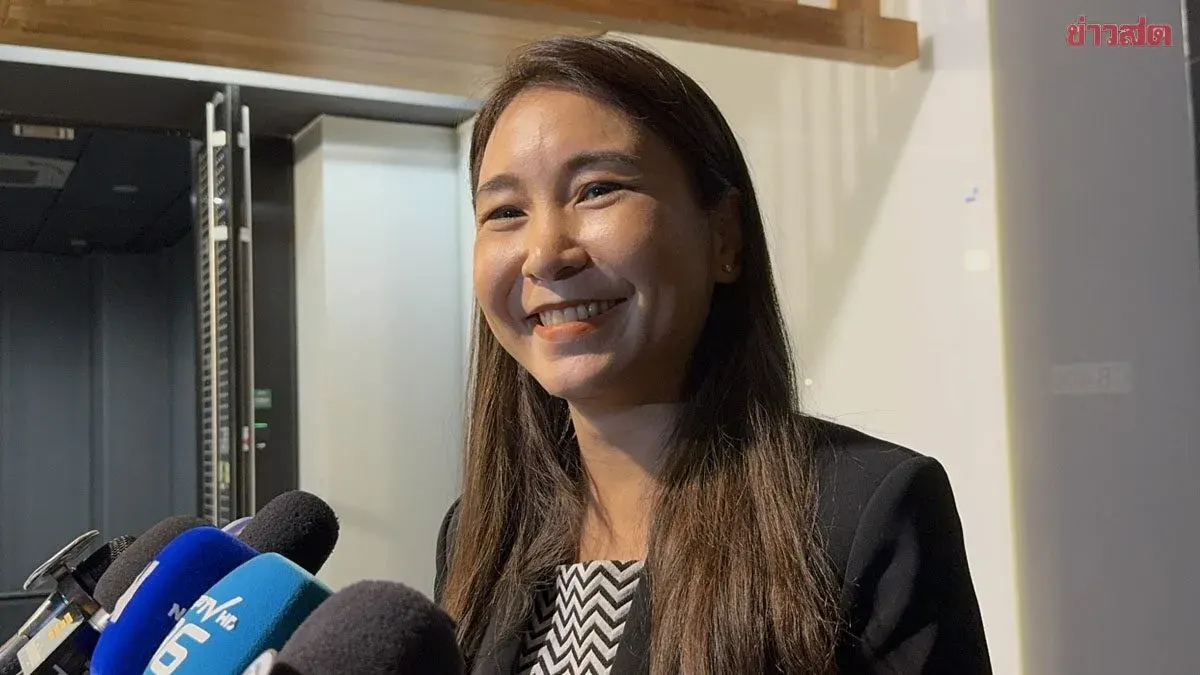
At 1 p.m. on July 3, 2569 at Parliament, Sirikunnya Tansakul, Pheu Thai party list MP and deputy party leader and prime ministerial candidate, addressed rumors that a backup prime minister with the abbreviation 'S.' from the Democrat Party is being held in reserve in case of political accidents, with some suggesting this could be her.
Sirikunnya stated that if this were true, it would require a massive party defection, which she does not believe is the case. She suggested that those circulating the rumors may not be aware of the 2560 Constitution, which prohibits nominating candidates outside those previously proposed during elections. Even with alternative mechanisms, she noted, extreme circumstances would be required for such an appointment, making the rumors more likely speculation than fact.
When asked whether political conflicts might be driving these rumors, Sirikunnya said that if conflicts do exist, they would more likely stem from internal divisions within the ruling coalition parties rather than other factors. She emphasized that no external event could change the prime minister except internal party conflicts.
Sirikunnya further explained that if coalition partners defect or switch sides, this would constitute a different scenario entirely, not a backup prime minister arrangement. She suggested that internal conflicts within the ruling coalition—similar to previously reported tensions between party leaders and spiritual leaders—are the more probable cause.
When pressed on whether a failed budget or rejected royal decrees could trigger a prime ministerial change, Sirikunnya responded that such circumstances would require political accountability from someone with a strong sense of integrity. She noted that Thailand's political history rarely sees prime ministers resign due to policy failures alone.
"We don't often see this in Thai politics—a prime minister resigning because of a wrong political decision," she said. "I believe internal coalition conflicts are the primary driver, or if anything changes, it would more likely stem from disputes among coalition partners. The budget situation is one indicator of this."
Sirikunnya acknowledged that coalition partners whose budgets were reduced may harbor some dissatisfaction, as some line items were cut without opportunity for revision. She explained that once the budget passes the cabinet and public hearing phase, there is typically room for adjustments, but this round appears to have had a tight schedule with no subsequent revisions, leaving some coalition ministers with significant budget cuts and no chance to address them.
Regarding a shadow cabinet meeting planned for next week, Sirikunnya noted that many issues need consideration, as one meeting was skipped. However, topics for July 8 consideration would need to be selected carefully, including matters of local administration fraud and proposals to reduce future corruption risks in local personnel management.