Government Announces Three Economic Support Packages for Kalasin
The government announced three economic support packages totaling over 7 billion baht for village and community funds in Kalasin Province, including interest relief and rehabilitation programs to strengthen grassroots economies across north

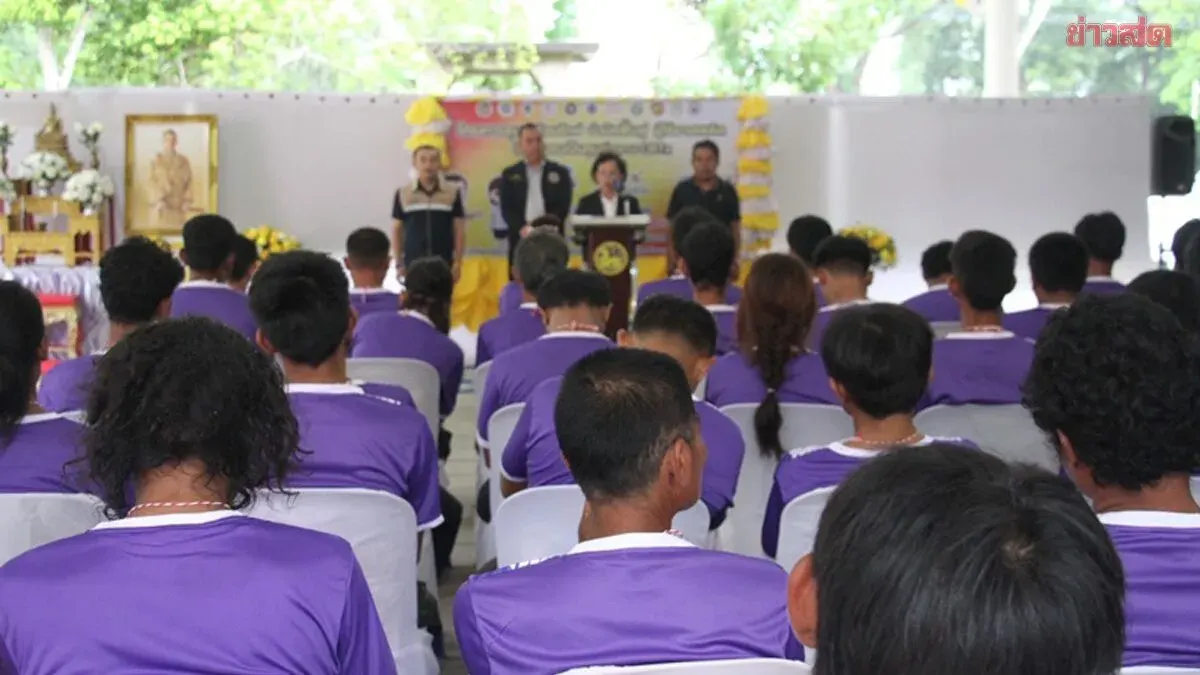
On August 21, 2026, Prime Minister's Office Minister Suksamrhai Wanthaniyakul led a delegation to Nong Bua Jod Dong Ling School in Kamlai District, Kalasin Province, to present policy initiatives and inspect village and community fund operations. The delegation included several MPs from northeastern provinces and was welcomed by Kalasin Governor Suwattana Khemthananphet, provincial officials, local administration representatives, and fund committee members.
Governor Suwattana reported that Kalasin has 1,609 village and community funds across 18 districts and 135 subdistricts, serving as a critical mechanism for residents to access capital, create livelihoods, and strengthen the provincial economy. The province aims to develop into a high-value agricultural zone with diverse tourism while ensuring no one is left behind.
Minister Suksamrhai announced three major economic relief packages: First, a Thai Help Thai program providing 4.4 billion baht to reduce interest burdens for approximately 63,125 village funds nationwide, with Kamlai District needing to accelerate applications. Second, a second million-baht fund allocating 3.4 billion baht to rehabilitate struggling "red-flag" funds by providing 1 million baht per fund, which Kamlai District has fully received across all 111 qualifying funds. Third, the SML Plus program, which has approved 349 funds worth 99.5 million baht, with an additional 1,241 funds worth 329 million baht recently approved for the second round.
The minister also highlighted government measures to reduce electricity costs, setting the first 200 units at 3 baht per unit and separating public lighting costs from household expenses. The government reaffirmed its commitment to supporting village funds as mechanisms for job creation, debt reduction, and strengthening the grassroots economy across all regions.