Health Alert: Don't Store Food in Plastic Bags in the Refrigerator
Health experts warn against storing food in non-food-grade plastic bags in the refrigerator, as chemicals may leach into food even at low temperatures. Transfer groceries to glass or food-grade containers instead.
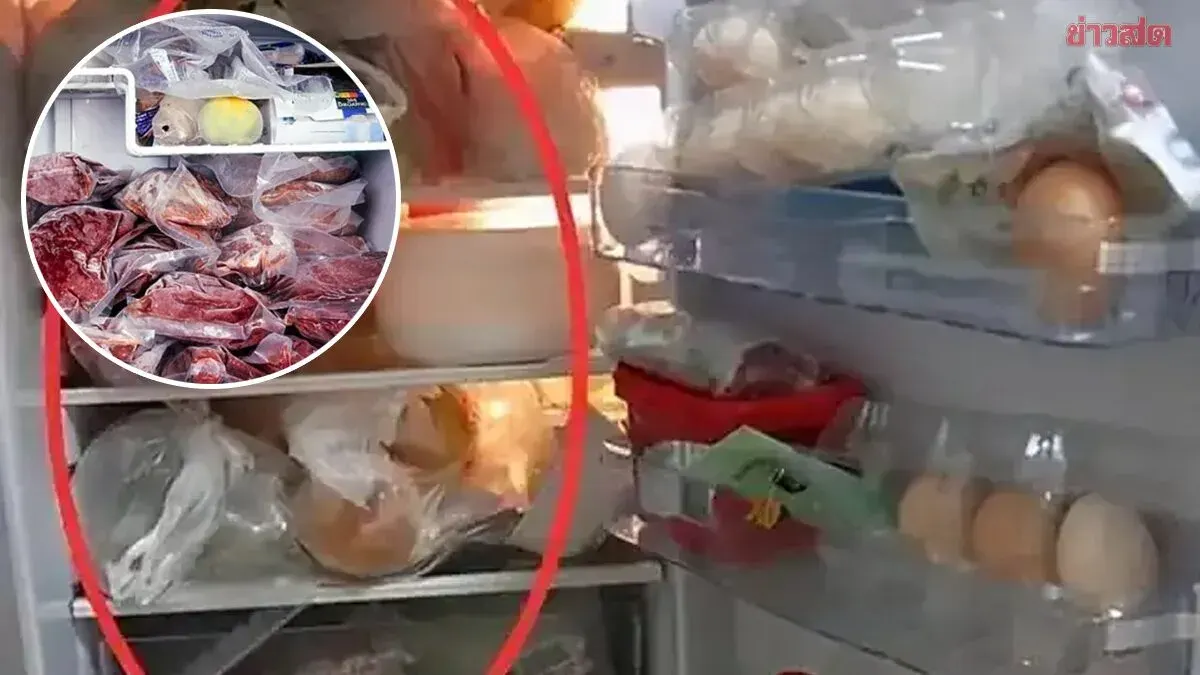
Health experts are warning against a common household practice: storing food directly in plastic bags inside the refrigerator. Many people do this for convenience, but experts caution that non-food-grade plastic bags risk leaching chemicals into food and potentially harming health.
After shopping, many people keep vegetables, meat, or fish in the plastic bags provided by vendors and immediately place them in the refrigerator, viewing this as an easy way to avoid using extra storage containers. However, experts say this is not recommended, especially when the plastic bags are not food-grade.
Many people mistakenly believe that low refrigerator temperatures stop all chemical reactions, making food stored in plastic bags completely safe. This is not accurate. Food safety experts note that while low temperatures slow bacterial growth, they do not make low-quality plastic safe for food storage. Recycled plastic bags or non-food-grade bags may contain additives, dyes, or plasticizers unsuitable for long-term food storage.
Fatty or acidic foods are particularly at risk of absorbing compounds from packaging more readily than dry foods. The common belief that "thicker bags are safer" is a misconception, as thickness does not indicate plastic quality. Many thick black, green, or red plastic bags sold in markets are made from recycled plastic designed for transporting goods, not storing food. Storing vegetables, meat, or fruit in such bags for days is not recommended by experts.
What matters is whether a bag meets food-safety standards, typically indicated by labeling or clear manufacturer information. Research has identified compounds like phthalates and bisphenols as potential endocrine disruptors when exposure is sufficient and prolonged. Some concern exists about effects on thyroid function, though actual risk depends on exposure levels, duration, and individual sources of contact.
Assoc. Prof. Nguyen Duy Thinh, former faculty member at Hanoi University of Science and Technology's Institute of Biotechnology and Food Technology, advised against using plastic bags of unknown origin for long-term food storage. He recommends immediately transferring food to glass containers, food-grade plastic boxes, or food-specific bags after shopping to reduce chemical contamination risks.
Experts suggest three simple habits to store food more safely: instead of placing food directly in plastic bags in the refrigerator, take a few minutes to transfer food to proper storage containers after returning home.