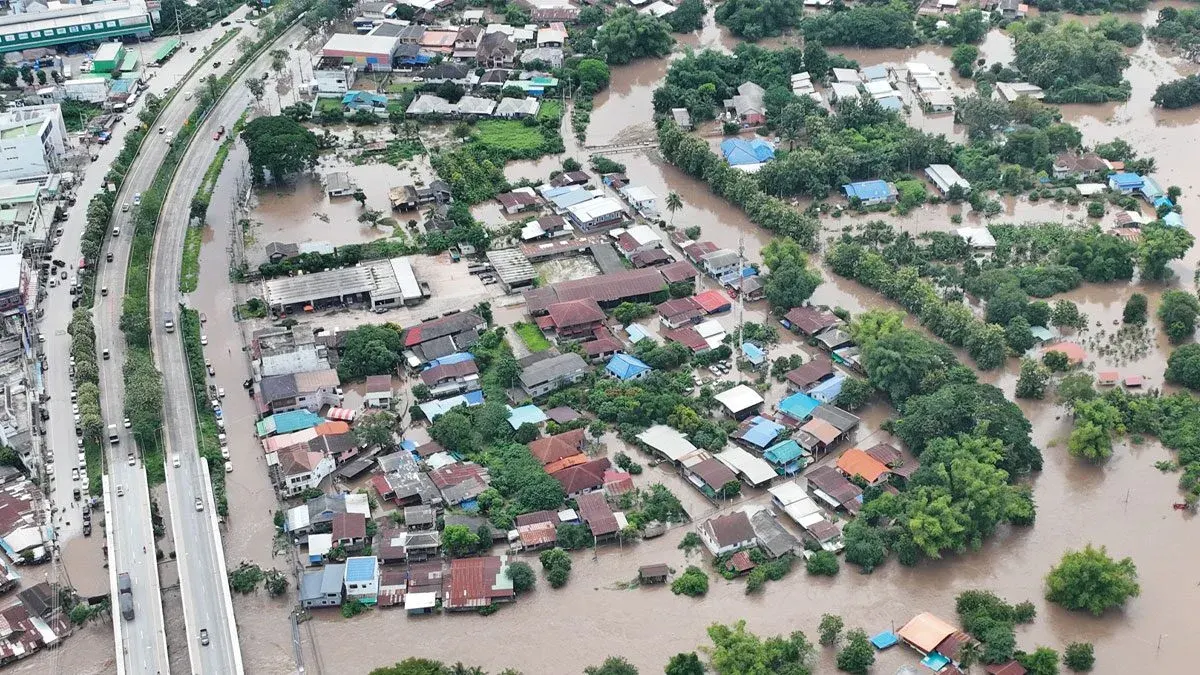
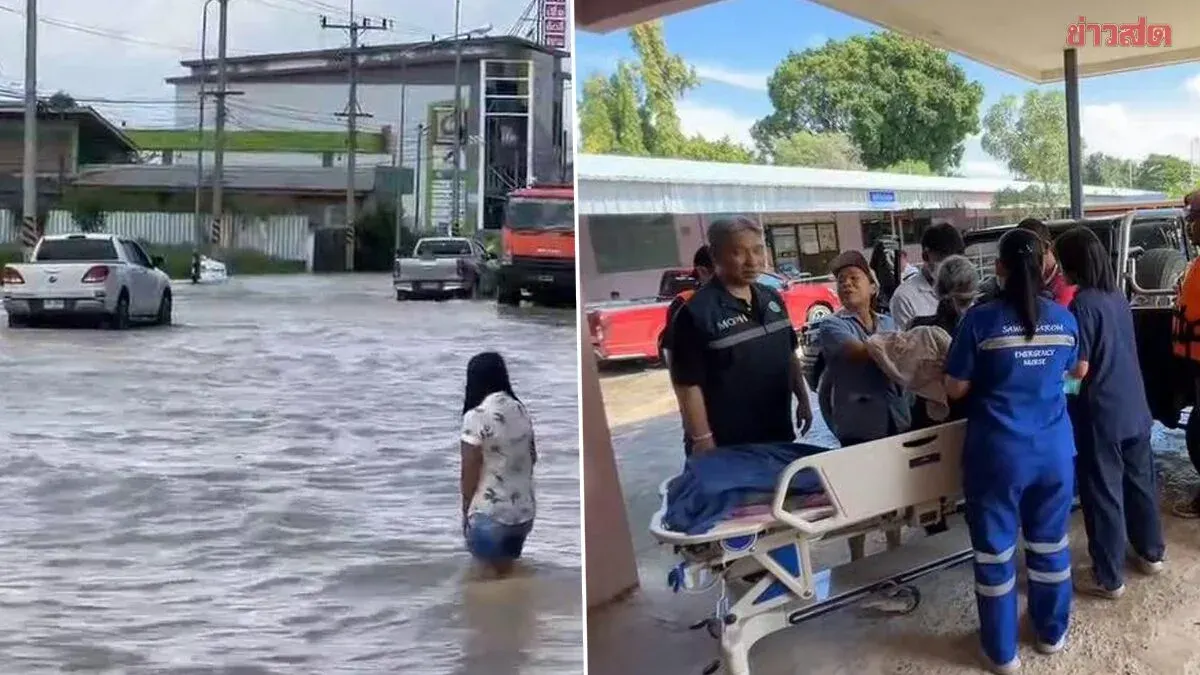
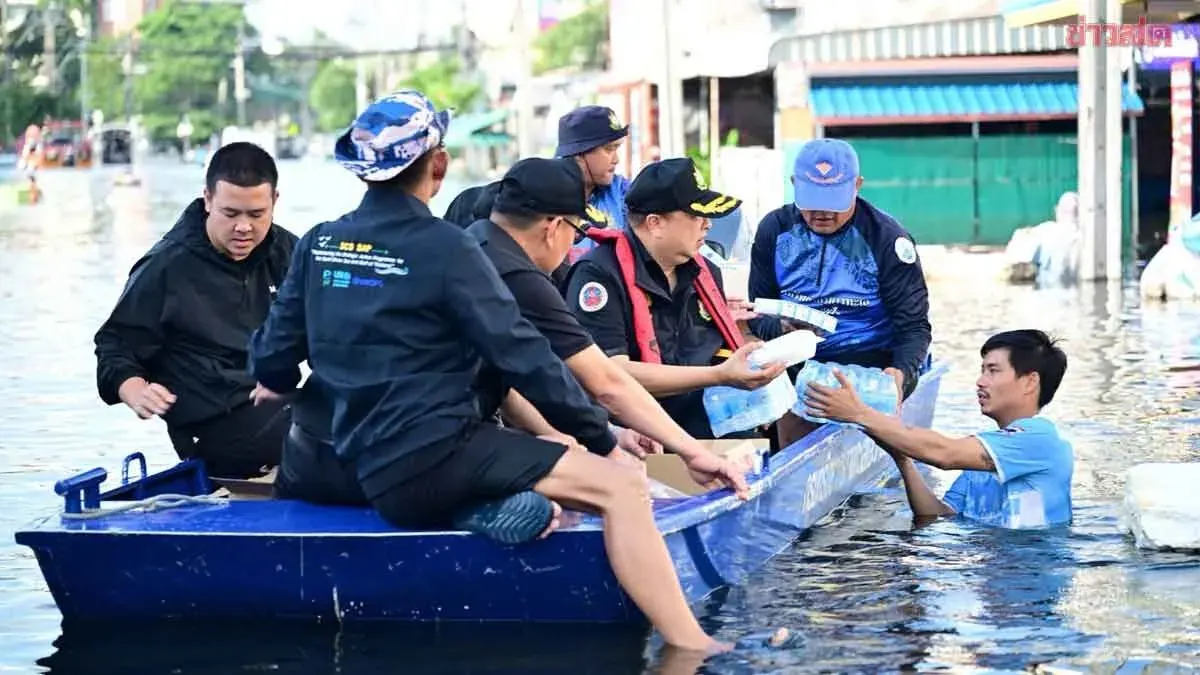
Health Ministry Warns of Leptospirosis Risk During Floods
Thailand's Department of Disease Control has issued a public health warning about leptospirosis risks during flood season, urging people to avoid wading through contaminated water and to take precautions such as wearing protective gear and covering wounds. Symptoms typically appear within 5–14 days and include high fever, headache, muscle aches, and red eyes; early medical treatment with appropriate antibiotics significantly reduces severity and mortality risk.
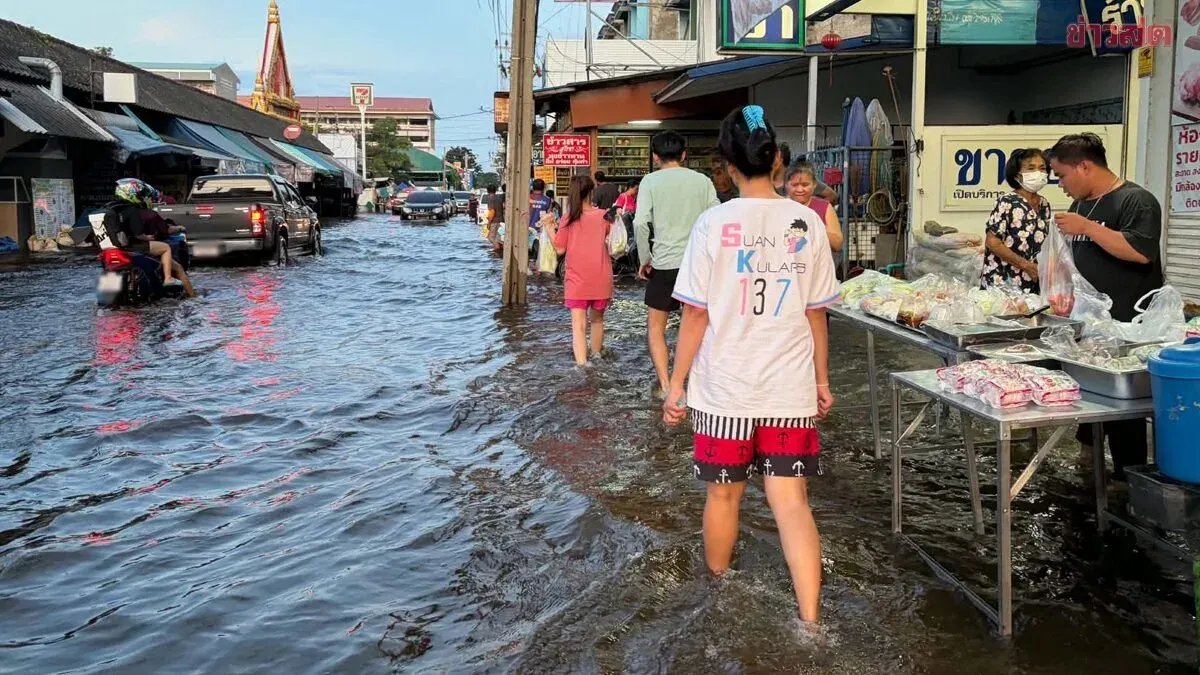
The Department of Disease Control warns of leptospirosis risk during flooding and recommends avoiding wading through water unless necessary to reduce infection rates. According to Dr. Manthian Kanasawat, director of the Department of Disease Control, people should exercise caution when contacting water and mud during floods, particularly those who must wade through water or clean homes or other areas after waters recede. The pathogen can enter the body through wounds, abrasions, or skin softened by prolonged water immersion, as well as through the eyes, nose, and mouth.
To protect yourself during floods, avoid wading or soaking in water unnecessarily. If you must wade, wear boots and cover any wounds with waterproof plaster, especially if prolonged contact is needed, as three hours or more of water exposure combined with wounds significantly increases infection risk. Wash your hands, legs, or bathe with soap and clean water after water contact. Store food and drinking water securely and prevent garbage and food scraps from becoming rat food sources. After floodwaters recede, wear boots and rubber gloves when moving items or cleaning homes to prevent contact with contaminated water and mud, and to avoid cuts from sharp objects.
Symptoms typically appear within 5–14 days but may take up to 30 days. Warning signs include high fever, headache, muscle aches (especially in the calves, thighs, or back), and red eyes. Anyone experiencing these symptoms after water exposure should see a doctor immediately and report their water contact history. Severe warning signs—difficulty breathing, yellowing skin or eyes, or reduced urination—indicate critical illness requiring emergency hospital care. Those in evacuation shelters with suspected leptospirosis should notify health officials immediately.
Prophylactic antibiotics must be prescribed by a doctor, who will assess individual risk levels, particularly for those with prolonged water exposure, flood relief volunteers, or those handling debris and animal carcasses. Self-medication is not recommended. Prevention medication requires drinking plenty of water and avoiding lying down for at least 30 minutes afterward to prevent esophageal irritation. Certain medications are contraindicated in pregnant women, nursing mothers, children under 8, and those with drug allergies.
Anyone wading through floodwater who develops fever, headache, muscle aches, or red eyes should see a doctor promptly and report their water exposure history, as early diagnosis and appropriate antibiotic treatment within the initial stages can reduce disease severity, complications, and mortality risk. For health information and disease inquiries, the public can contact the Department of Disease Control hotline.