Inside Thailand's Amulet World: The Life of Luang Por Yid
Thailand's amulet culture centers on revered Buddhist masters like Luang Por Yid, whose "Great Fortune" amulets blessed in 1995 feature intricate designs with yantras and disciples' images, while other masters' sacred pieces have become hig
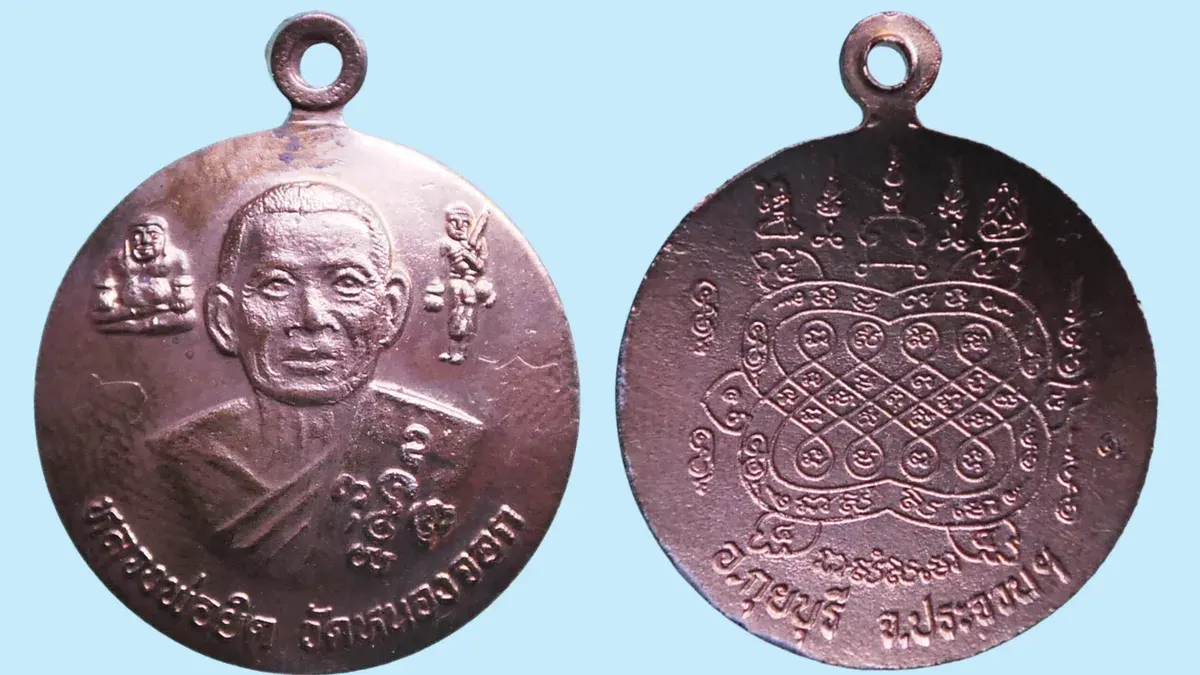
A spiritual teaching states: "Problems arise because of our own minds, filled with doubt and lack of true understanding, which creates difficulties," as shared by Luang Por Cha, abbot of Wat Nong Pa Phong in Ubon Ratchathani Province in 1994. Luang Por Yid Chanthasuwanno of Wat Nong Jawk in Kuiburi District, Prachuap Khiri Khan, was a renowned meditation master who led the installation of a Dvaravati-era sandstone Buddha head and oversaw its enshrinement as the principal Buddha image "Luang Por Thep Nimit." A three-day ceremonial consecration and eye-opening ritual, along with the blessing of the "Great Fortune" amulet series, took place from April 7–9, 1995.
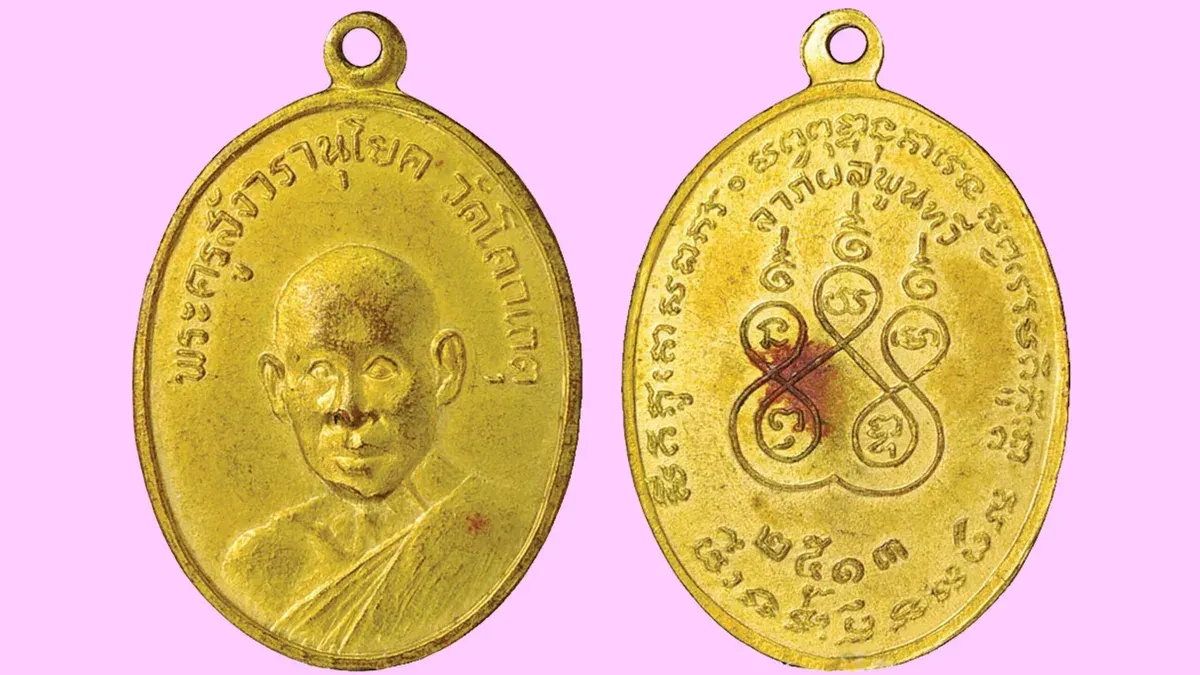
The Luang Por Yid "Great Fortune" amulet is spherical with a loop, featuring a half-length image of the master on the front with Khmer script at his robes, images of revered disciples Sangkachai and Sivali on either side, and Thai script reading "Luang Por Yid, Wat Nong Jawk" below. The reverse resembles a pan, with a central tortoise yantra surrounded by spirit woman figures, teacher yantras, and images of closed-eye Buddha, with Khmer characters and Thai text identifying Kuiburi District, Prachuap Khiri Khan Province.
Luang Por Phrom Thawaro of Wat Chong Kaew in Nakhon Sawan Province was another venerated master whose amulets gained widespread devotion. In 1973, the temple committee commissioned "Saturday Fifth" fortune amulets, which Luang Por Phrom consecrated during a major ritual to fund a preaching hall. The circular amulet, approximately 2.9 centimeters in diameter, features a full-lotus Buddha on the front without a seat or cloth, bordered by lotus petals and fish-roe designs. The reverse displays a blooming lotus with the numeral "5" at center, surrounded by ten Khmer characters and Thai script reading "Fortune Amulet, 1973." It became highly prized and a cornerstone of amulet collecting.
Luang Por Thong of Wat Voranath Banpot (Khao Kob) in Nakhon Sawan was similarly revered, with his amulets commanding high prices, especially the first-edition portrait amulet known as the "Luang Por Thong Dark Back." Cast in bronze with an oval shape, it features double raised wire borders on front and back, a half-length image of the master facing forward in full monastic robes on the obverse, Thai script reading "Luang Por, Wat Kob," and a reverse depicting the temple's great chedi with a meditation yantra at its center. Its value has grown steadily over time.
Luang Pu Ruem Prommo, former abbot of Wat Chuk Kha Choe in Si Racha District, Chon Buri Province, was a renowned master known for casting closed-eye Buddha amulets in Lam Uu bronze with bases sealed using coconut wood or high-grade coconut husk, creating eyeless coconut-wood-sealed bases considered rare and highly potent among amulet aficionados. The Lam Uu bronze closed-eye Buddha features a hunched posture in lotus meditation on a two-tiered lotus base, with robe flaps forming scorpion mouths at the back, each piece stamped with the code "R" and containing no embedded sacred yantra beneath the base.