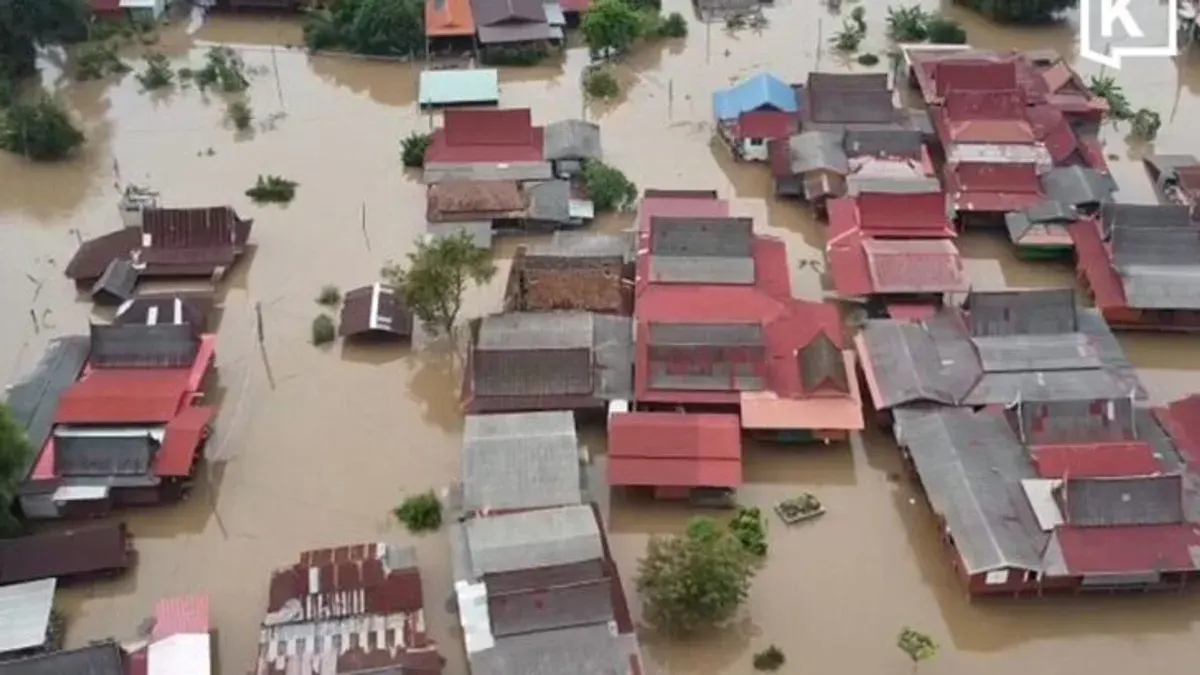
Irrigation Dept Releases 2,500 cu.m Water, No Bangkok Impact
Thailand’s Irrigation Department is releasing 2,500 cubic meters per second from the Chao Phraya dam to manage upstream water levels, stating the discharge will not affect Bangkok or its surrounding areas. Officials said the Bhumibol and Sirikit dams have sufficient capacity to handle northern rains, while monitoring continues for potential heavy rain in Phetchaburi, the Bang Pakong basin and the south. They also emphasized coordination with provincial authorities to inspect river embankments and prepare for expected rainfall in central regions on October 5 and October 10‑11.
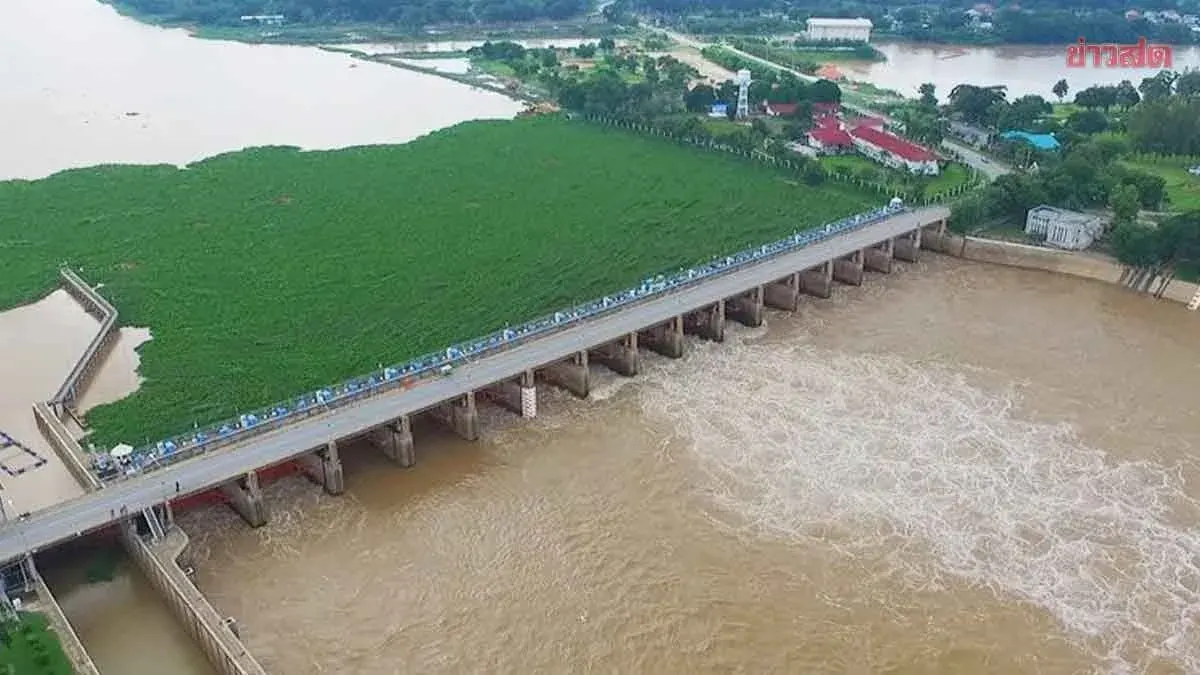
The Irrigation Department’s Water Management and Hydrology Director, Dr. Thaneset Sombun, said the Chao Phraya basin’s two main dams—Bhumibol at 68% capacity and Sirikit at 81%—have enough room to accommodate forecast northern rains. To reduce upstream water before the Chao Phraya dam and prepare for expected rain in Kamphaeng Phet and Uthai Thani, the department is maintaining a discharge rate of 2,500 cubic meters per second from the dam. This flow will affect downstream areas from Chai Nat through Bangkok and Samut Prakan, prompting monitoring of riverbanks outside embankments and inspections of embankments in Pathum Thani and Nonthaburi. According to the Prime Minister’s directive, provincial authorities are coordinating with the Irrigation Department to check Chao Phraya river embankments, and officials are confident the released water will not cause overflow into Bangkok’s city centre. Monitoring will focus on rain on October 5 and the October 10‑11 period when heavy rain is expected in the central region. In the western Mekong basin, releases from Mae Klong dam in Kanchanaburi are trending down, while water levels at Vajiralongkorn and Srinagarind dams are being managed jointly with EGAT to avoid rapid impacts. The Bang Pakong basin is also under watch, as flooding in Prachinburi province is slowly decreasing and merging with the Nakhon Nayok River, leading to reduced releases from the Khao Khanapara Dam.