Japanese Thermos Maker Warns Against Storing Certain Drinks
Japanese thermos maker Zojirushi warns against storing milk, juice, soft drinks, and soups in insulated bottles, as these beverages can cause internal rust and damage. The company recommends gentle cleaning with soft brushes and air-drying
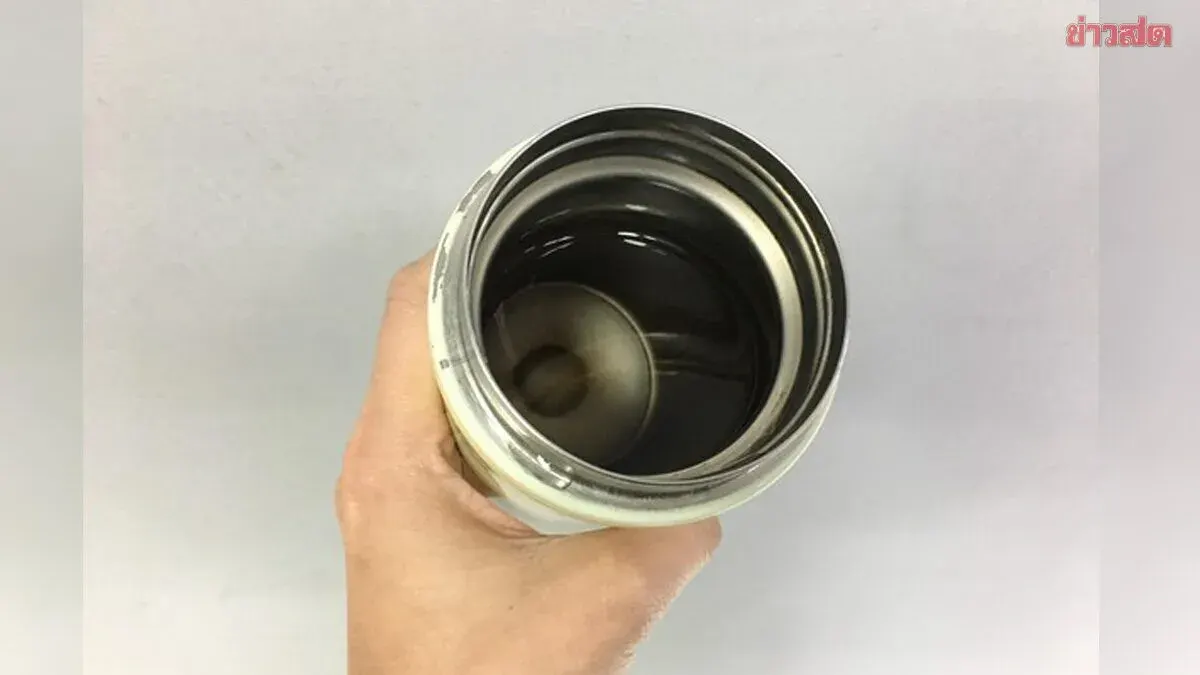
Zojirushi, a leading Japanese thermos manufacturer, has cautioned consumers not to store certain beverages in insulated water bottles for prolonged periods due to the risk of damage, corrosion, and rust. The bottles are suitable for plain water, tea, and coffee, but should not be used to store milk, fruit juice, soft drinks, or high-sodium soups such as miso soup, as these can cause internal rust, damage internal components, and reduce the thermos's ability to maintain both hot and cold temperatures.
Regarding cleaning, Zojirushi recommends avoiding steel wool, abrasive scrubbers, or rough-surfaced sponges, as these can scratch the internal coating and allow dirt and odors to accumulate easily. Additionally, if the product is not labeled as dishwasher-safe, it should not be placed in a dishwasher, as heat and water pressure may cause external paint to peel, damage components, or deform the bottle.
The company recommends four cleaning steps: (1) rinse immediately with clean water after use to reduce residue and odors; (2) remove and separately clean the cap and rubber seal; (3) use gentle dish soap with a soft sponge or bottle brush to clean the bottle and components; and (4) rinse thoroughly with clean water and air-dry completely upside down to prevent moisture buildup.
For baking soda or citric acid cleaning, Zojirushi notes that baking soda has a gentle abrasive effect and is not suitable for regular use. For rust stains or unpleasant odors, the company recommends mixing one teaspoon of citric acid with about 500 milliliters of warm water, soaking for approximately three hours, then rinsing with clean water. Watch for six warning signs that indicate the thermos should be replaced to avoid health risks.