Lawmaker Calls for 10% Police Budget Cut Over Corruption
A Thai lawmaker has proposed slashing the National Police Bureau's budget by 10% to address widespread corruption, citing complaints of officers extorting money through illegal checkpoints and harassment of citizens.
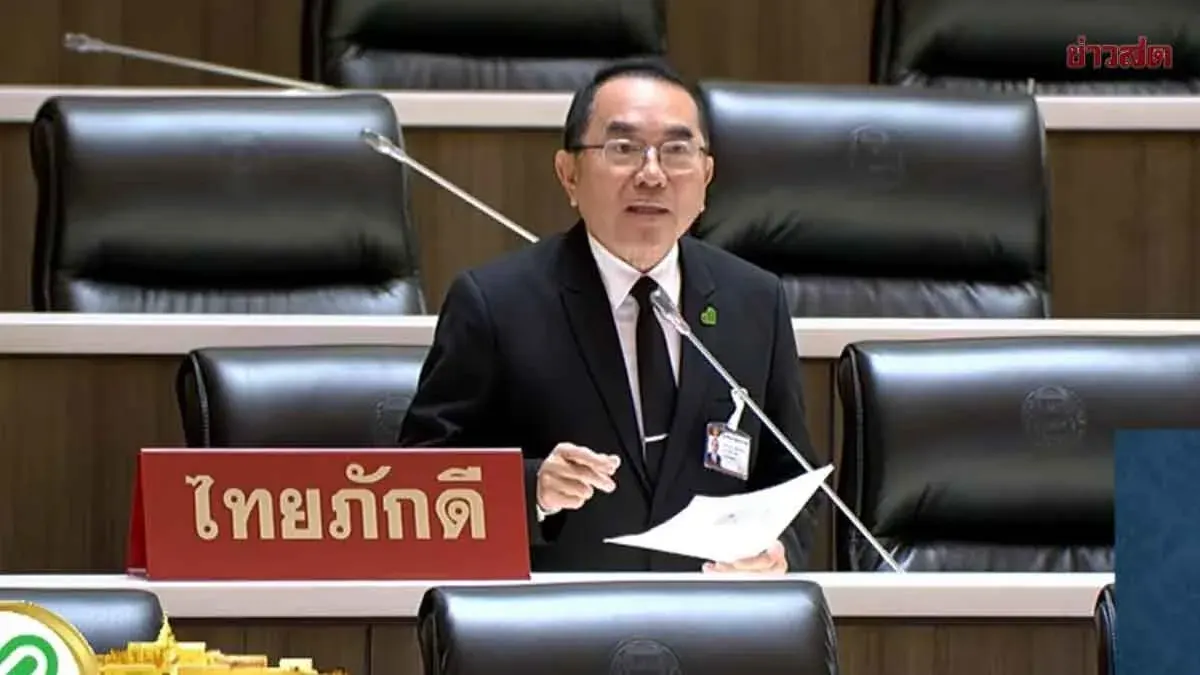
On September 10, 2026, at Parliament, the House of Representatives convened to consider the 2570 fiscal year budget bill in its second and third reading, with Lertsak Patthanaichaigul serving as the second House Speaker presiding over the session.
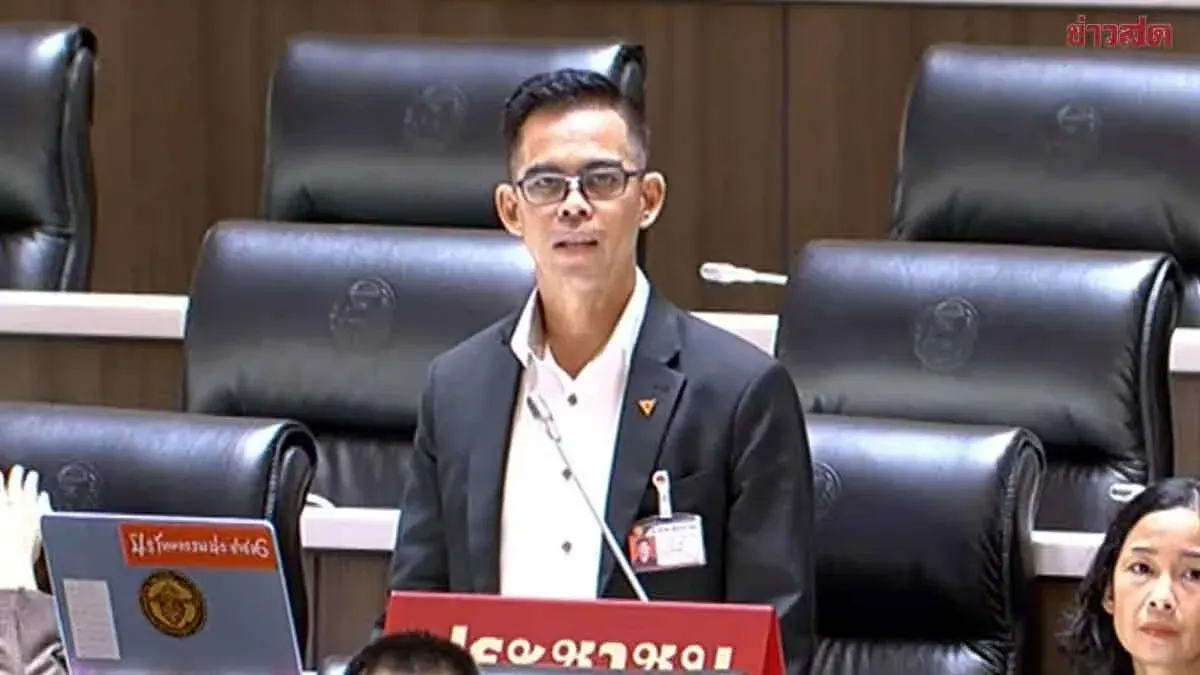
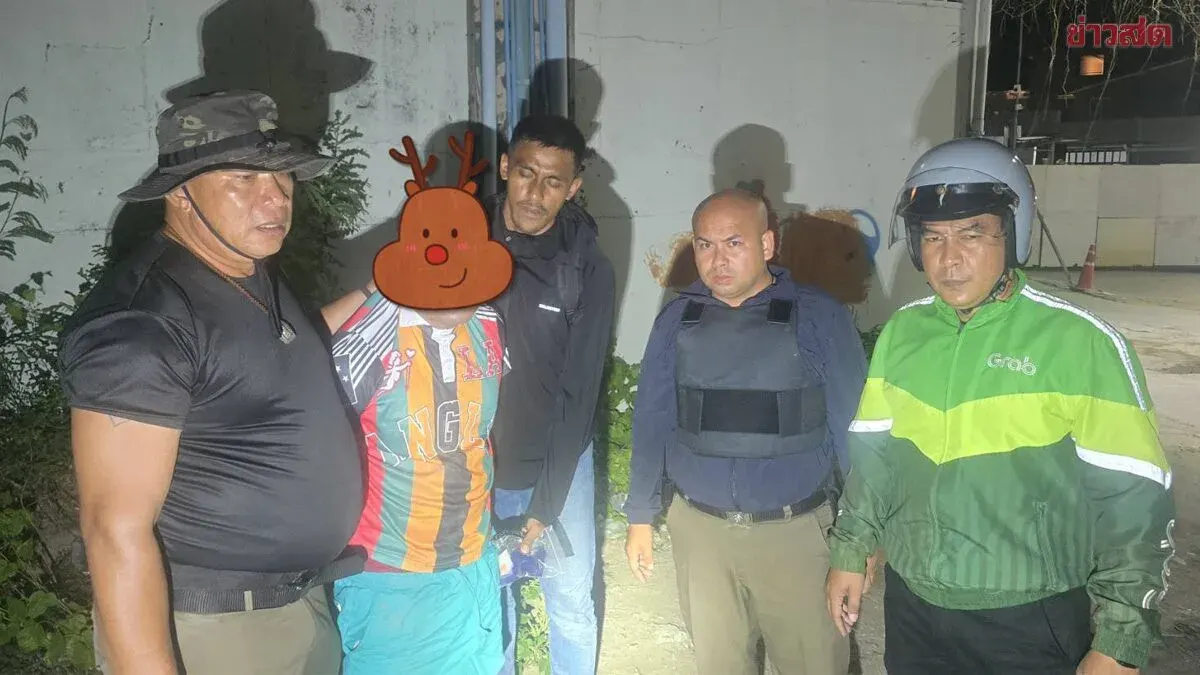
At 10:00 a.m., Dr. Vorapong Dechkijvikrom, a list-based Member of Parliament and Thai Pakdee Party leader, debated Article 27 regarding government agencies not under the Prime Minister's Office, including ministries, departments, and agencies under the Prime Minister's supervision. He proposed a 10 percent budget reduction for the National Police Bureau, grounding his argument in public complaints about police misconduct—some officers harassing citizens, others extorting money through illegal traffic checkpoints at all levels, from street officers to senior management.
Dr. Vorapong asked whether the committee had ever questioned police representatives about budget use and whether illegal roadblocks and shakedowns still occur, and how the force plans to fix these problems. He clarified that roadblocks include floating checkpoints, random inspections, and stops without legitimate cause, typically conducted under the pretext of traffic enforcement but leading to extortion.
"I do not intend to protect citizens who break traffic laws. We do not want to protect lawbreakers," Dr. Vorapong said. "But we demand that police enforce the law strictly, not exploit loopholes for extortion. The extortion pattern is clear—mostly in cash, or fake accounts if not."
He went on to say that this practice ultimately enables bribery and position-buying within the force, a problem that has persisted for years with no solution. He urged the committee to coordinate with police to abolish roadblock operations, noting that modern technology—closed-circuit cameras and speed detection systems—allows proper law enforcement without checkpoints.
"We want police who serve the people and are the people's refuge, not servants of politicians," Dr. Vorapong concluded. "I repeat: abolish this practice. Politicians who command police to serve them must stop. Police must serve the people. That is why I call for this budget cut, based on the National Police Bureau's conduct."