Lawmaker Seeks 20 Billion Baht Cut to Interior Ministry Budget
A Bhumjaithai lawmaker proposes cutting the Interior Ministry budget by 20 billion baht to fund better recruitment of local officials, arguing current corruption in hiring undermines Thailand's drug control efforts.
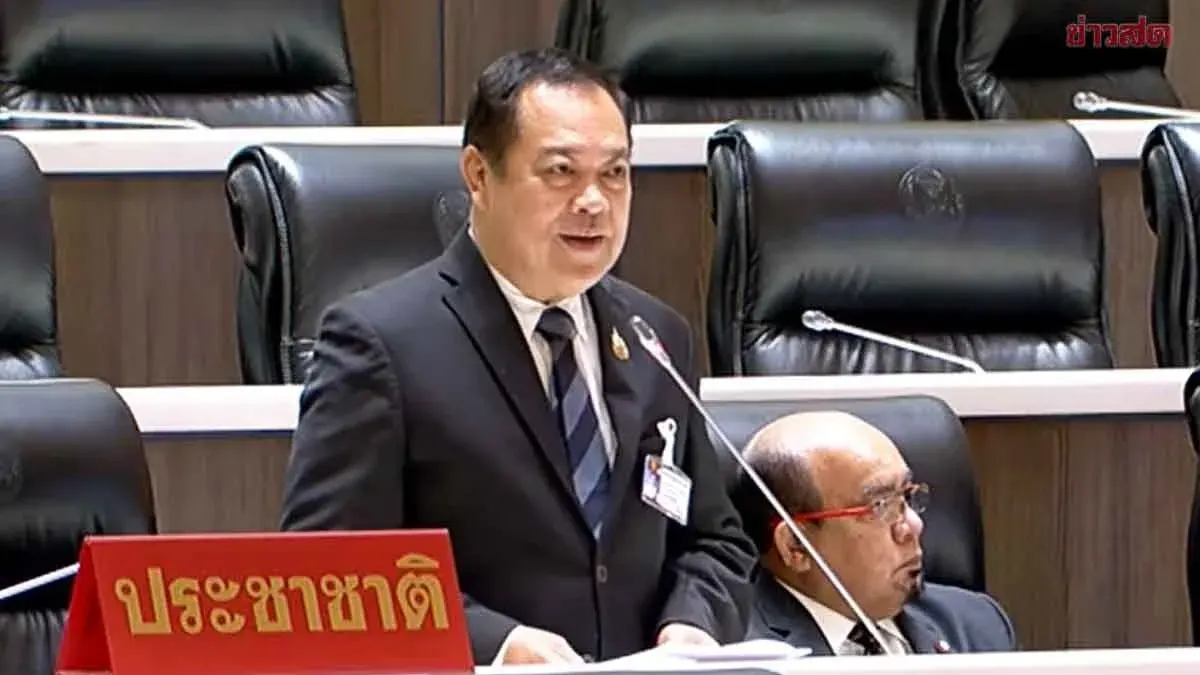
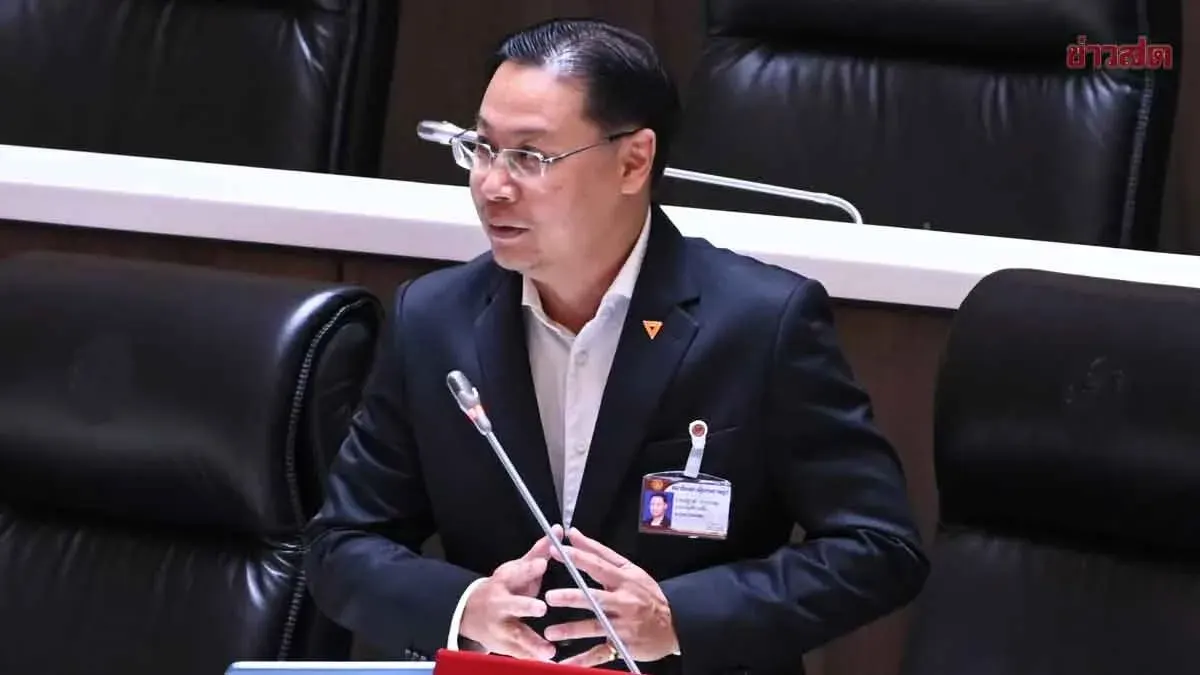
At 12:20 p.m. on September 9, 2026, during the House of Representatives meeting to consider the fiscal year 2570 budget bill worth 3.78 trillion baht in its second and third readings, Deputy Interior Minister Tawee Sodsong, a Bhumjaithai party list MP, proposed reducing the Interior Ministry budget by 9.5 percent or around 20 billion baht without affecting provincial administrative groups, local government subsidies, disaster prevention work, and drug control efforts—all core responsibilities of the Interior Ministry.
Tawee noted that the first major suffering facing people is drug addiction, which destroys lives, families, economies, and security. Four agencies oversee drug control: the Office of the Permanent Secretary of the Interior Ministry, the Department of Local Administration, the Department of Community Development, and the Department of Local Government Promotion. He explained that past successes in combating drugs came from coordinated work by provincial governors, provincial officials, district heads, and supervisors, later joined by municipal mayors and provincial health officers. However, some in these roles have become supporters of drug traffickers due to weakness and inability to resist financial influence.
Tawee emphasized that the most important factor is strengthening the authority of future provincial governors. The system for appointing governors and district heads must be rigorous, and the time has come to seek input from provincial civil servants about who should lead their provinces. Social rehabilitation is equally critical, requiring governors and local administrators to provide counseling, welfare, housing, employment, and educational support to former drug users and their families.
He expressed disagreement with the current Interior Ministry budget allocation, advocating for decentralization to strengthen communities and local centers. He criticized the Department of Local Government Promotion for failing to allocate funds for recruiting quality local civil servants. He noted that recruitment salaries were set at 113 million baht, yet local administrations collected nearly 200 million baht through unofficial channels, creating what he called the world's largest fraud. He proposed redirecting the cut funds to recruit better-qualified officials.
Tawee also suggested that the Interior Ministry use its legislative influence to propose constitutional amendments allowing Senate members to be elected at the district level by district heads and at the provincial level by governors. This would ensure that only those free from corruption or special interests can ascend to these positions.