Lawmakers Challenge 12 Billion Baht Energy Transition Fund as Blank Check
A Democrat lawmaker challenged a 12 billion baht energy transition allocation in Thailand's fiscal 2570 budget, arguing it duplicates emergency borrowing and lacks oversight, calling it a "blank check" to the prime minister without disclose
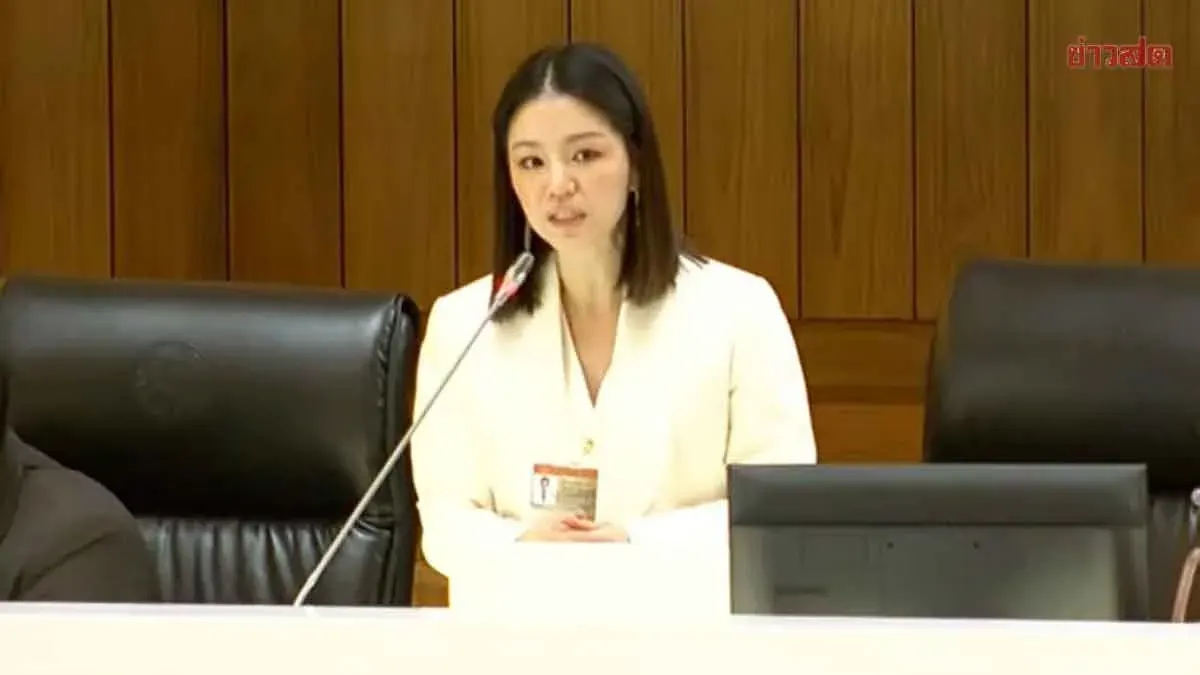
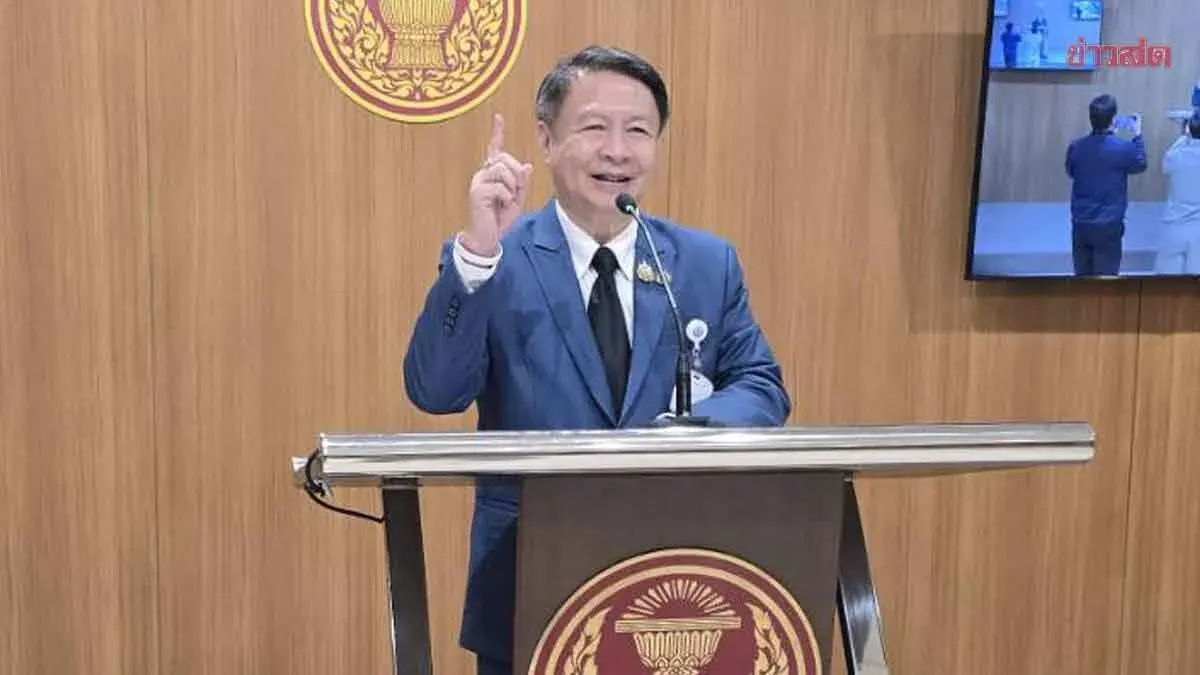
The House of Representatives convened on 7 September 2026 to debate the 3.78 trillion baht fiscal year 2570 budget bill. Democrat committee member Watanya Bunnarak raised concerns about 6.93 trillion baht in central budget allocations earmarked for energy transition projects.
Bunnarak argued that the parliament should not allow clearly redundant spending to pass. She highlighted a contradiction in government reasoning: the government requested 400 billion baht through emergency borrowing, citing urgent need and inability to use annual budget funds. Yet within weeks, 12 billion baht appeared in the central budget of fiscal year 2570 for identical clean energy objectives, with overlapping timelines since borrowing authority extends until 30 September 2570.
She compared oversight standards between the two funding mechanisms. Money borrowed under emergency decree undergoes committee screening and must be reported to parliament, whereas central budget allocations fall under the prime minister and cabinet authority alone. Allocating 12 billion baht through the central budget, she said, amounted to "handing a blank check to the prime minister" with no accountability measures.
Bunnarak noted that 9.6 billion baht of the 12 billion baht allocation was classified as capital expenditure, yet parliament has not seen any projects, equipment lists, or receiving units. She questioned what this investment would actually fund. She also warned that the central budget contains a flexible 112 billion baht line item that can be repurposed later, suggesting parliament was approving vague allocations with details to be determined after passage.
She concluded that while she does not oppose energy transition, when government requests large sums through multiple channels simultaneously, transparency standards must rise, not fall. She called on the government to disclose the names of specific projects and agencies that will receive the budget allocation.