Lawmakers Inspect Saraburi Water Crisis, Fish Deaths Widespread
Lawmakers inspecting a water pollution crisis in Saraburi province found critically depleted oxygen levels causing widespread fish deaths, with authorities acknowledging they lack direct power to solve the problem without legislative reform
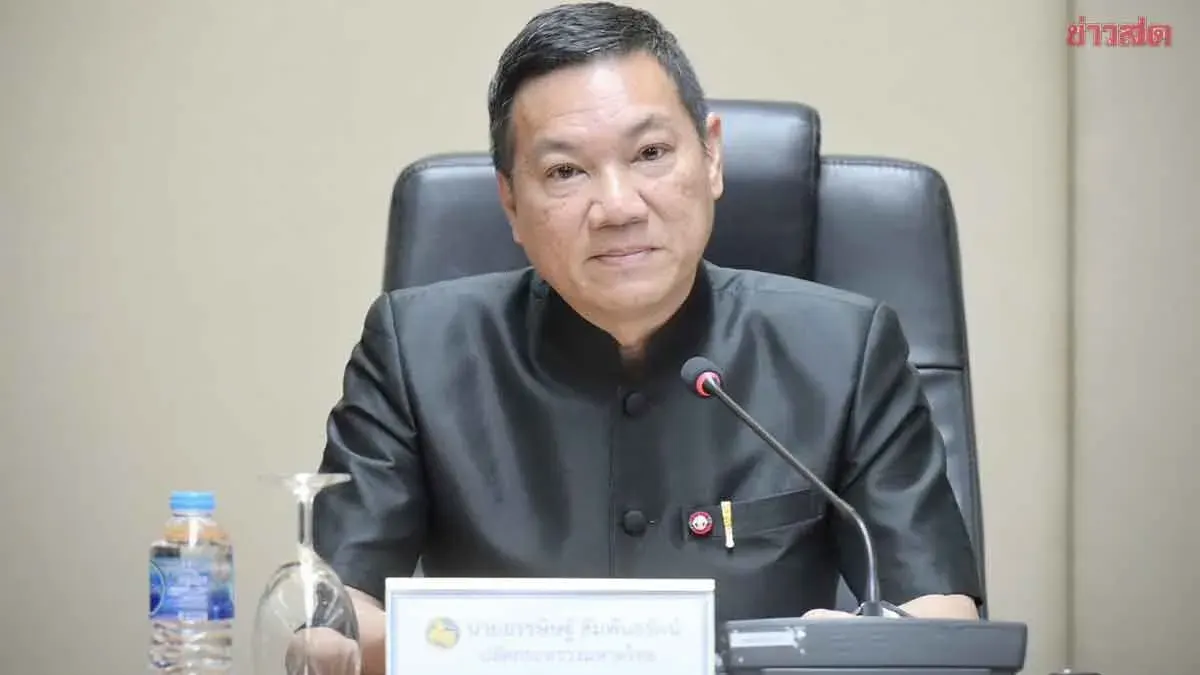
On July 18, Khunlalee Napaombudee, a member of parliament from Ratchaburi and chairwoman of the House Committee on Land, Natural Resources, and Environment, led a team to Saraburi province to meet with 15 relevant agencies addressing a water pollution crisis affecting residents. The meeting included Wachirpong Kuvichitsuwan, a Saraburi MP and chairman of the House Police Committee.
The deputy governor of Saraburi acknowledged that provincial authorities lack direct power to solve the problem and must rely on agencies with legal authority. The committee therefore requested that the deputy governor submit a written statement clarifying which laws or regulations are blocking action and which agencies hold actual authority, so policy and legislative reforms can be pursued. All participating agencies were asked to submit written comments on the issues raised.
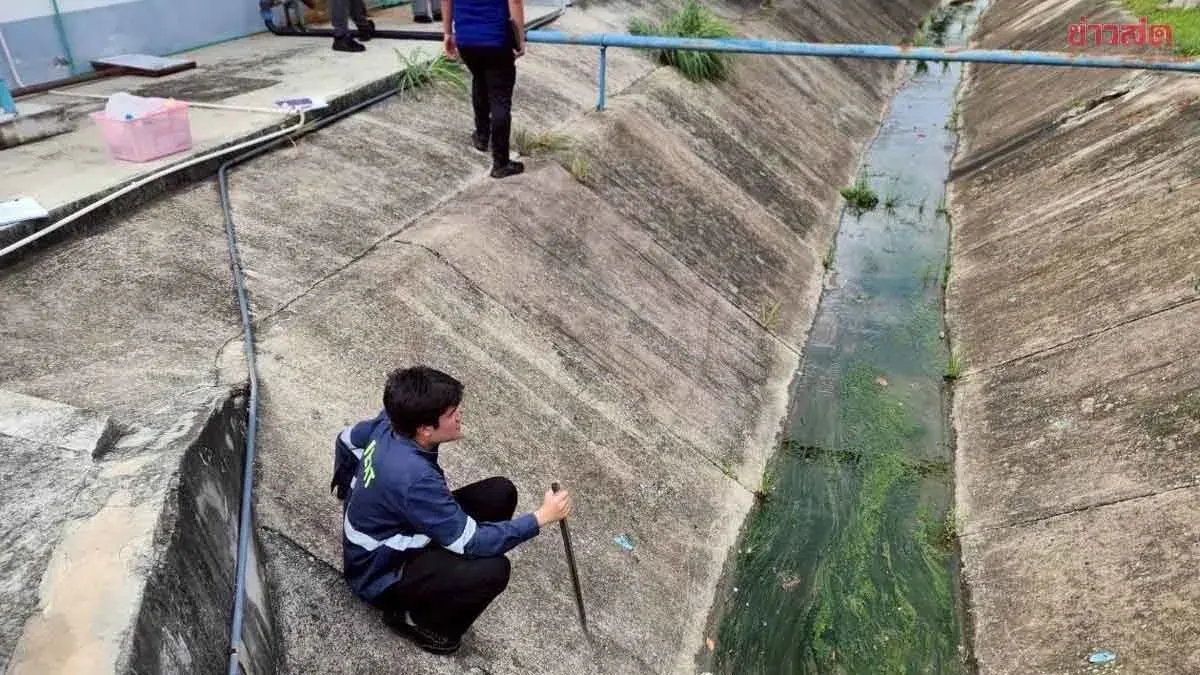
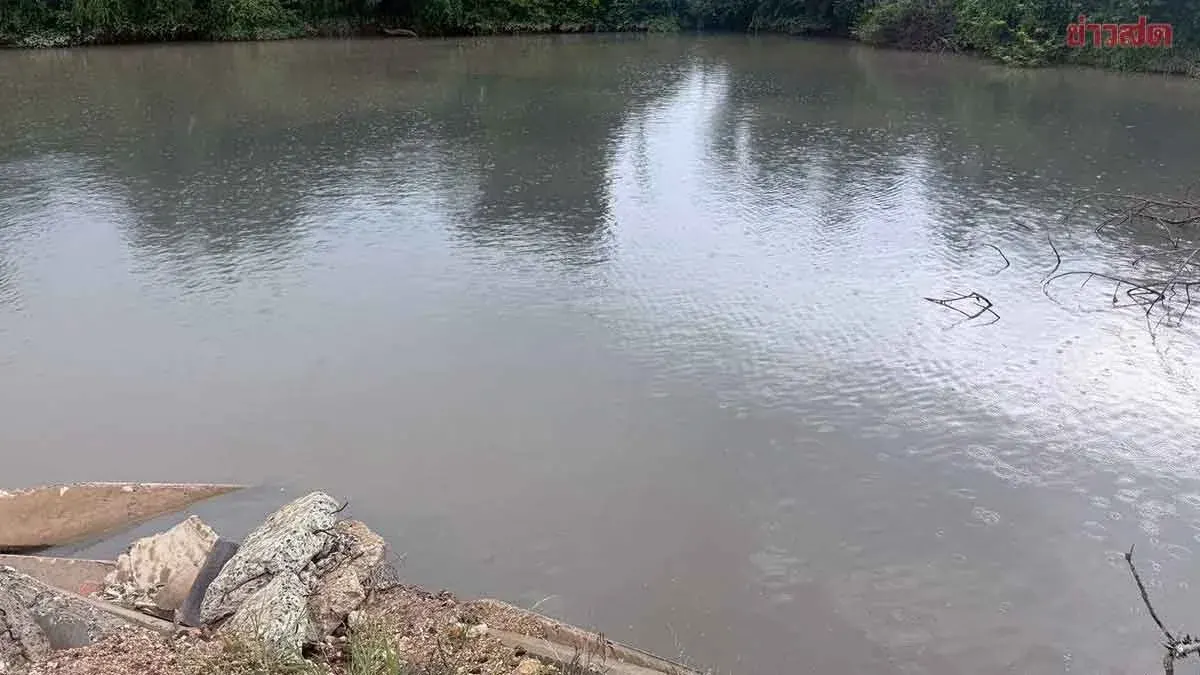
Field inspections at four locations in Huai Haeng and Muang Saraburi subdistricts revealed critical conditions. Water samples showed dissolved oxygen (DO) levels of only 0.01 milligrams per liter—just 0.2 percent of saturation—indicating severe oxygen depletion that prevents aquatic life from surviving, consistent with widespread fish kills. Oxidation-reduction potential (ORP) measured negative 392.9 millivolts, confirming anaerobic conditions producing foul gases. Electrical conductivity and total dissolved solids were elevated, typical of fermentation wastewater.
The deputy governor announced that the province will establish a rapid-response unit to investigate complaints immediately upon notification. The committee endorsed this approach and pledged full support. Given the urgency of pollution cases, swift site access enables critical evidence collection before environmental conditions change.
The committee also requested that local administrators hold public hearings to gather information on actual damages from contaminated water flooding agricultural areas. Saraburi province was ordered to urgently address the critical pollution sites where fish are dying to relieve immediate public hardship.
Khunlalee stated that the committee's observations provide direct evidence of the daily suffering residents face from foul odors and dead fish. However, field instruments alone cannot yet fully identify the specific source of contamination.