Marine Department Champions Coastal Communities in Ocean Conservation
Thailand's Marine Department convened a national forum in August to position coastal communities as essential partners in ocean conservation, emphasizing that sustainable marine resource management requires cooperation beyond government alo
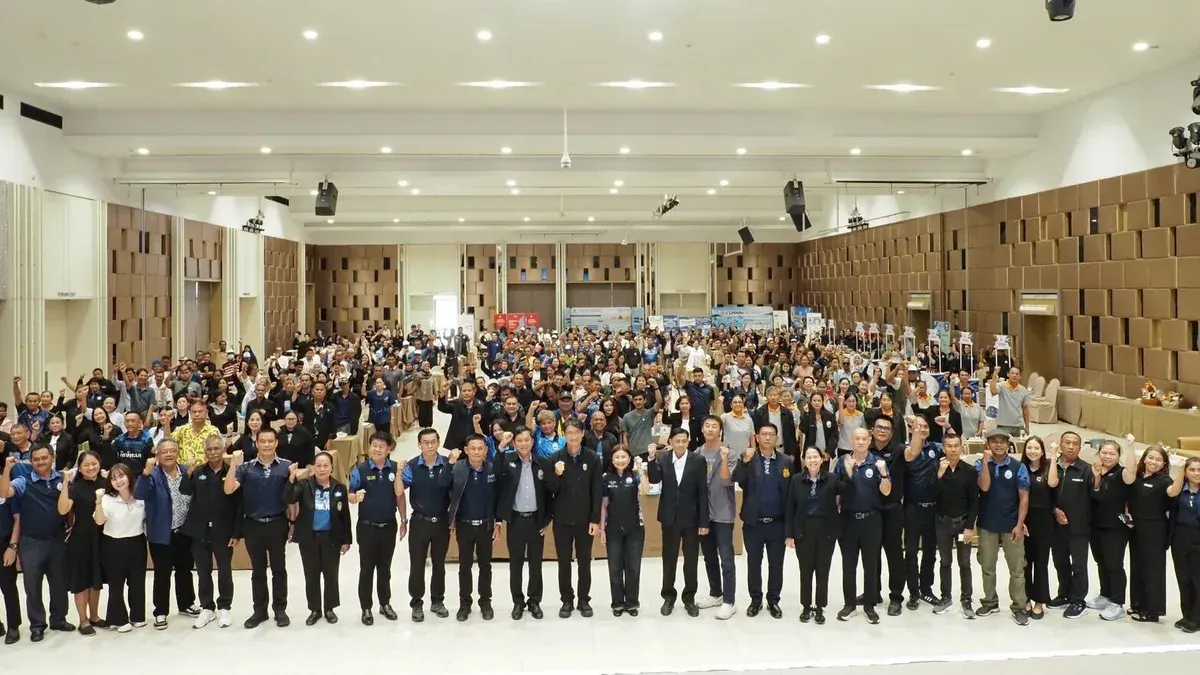
The Department of Marine and Coastal Resources convened a national network forum on August 20, positioning coastal communities as key partners in advancing sustainable marine conservation in Thailand. Following instructions from Natural Resources and Environment Minister Suchart Chomklin, the department organized a workshop from August 17-19 at Baan Jong Buri Hotel in Surat Thani to develop capacity and strengthen the national coastal community alliance network for fiscal year 2569.
Director-General Dr. Pinsak Suratsawadee outlined the initiative as aligned with Minister Suchart's policy of proactive engagement centered on people, offering communities a tangible role in resource stewardship. He stressed that sustainable marine and coastal conservation cannot be driven by government alone but requires cooperation across sectors, particularly coastal communities whose accumulated knowledge and experience in local resource management are invaluable.
"Coastal communities must be partners in resource management—thinking together, planning together, implementing together, and jointly monitoring results in their own areas," Dr. Pinsak said. "They are not merely policy recipients awaiting government support."
The forum brought together Deputy Director-General Daoruang Chaijon, marine department officials, representatives from coastal community networks across six bioregions, experts, and local government representatives to exchange knowledge, share challenges, and develop policy recommendations at both local and national levels.
Key topics included community-based marine spatial management (LMMAs), coastal community stewardship roles, conservation and restoration of seagrass, dugongs, and rare marine species, marine debris and pollution management, mangrove restoration, and strengthening local government involvement in resource management.
"This forum should be a space where coastal communities can articulate real-world challenges—successes, constraints, and needed government support—while building networks of mutual learning," Dr. Pinsak said. "By bringing together local wisdom and innovation from each region, we create collective strength for concrete and lasting marine and coastal conservation outcomes.