Navy Addresses Engine And Gun Failures On Royal Ship, Plans New Frigate Safeguards
Thai Navy revealed plans to prevent engine and gun failures on a new frigate procurement by increasing diesel engines from three to four and extracting lessons from problems that plagued HTMS Bhumibol, including engine carbon buildup caused
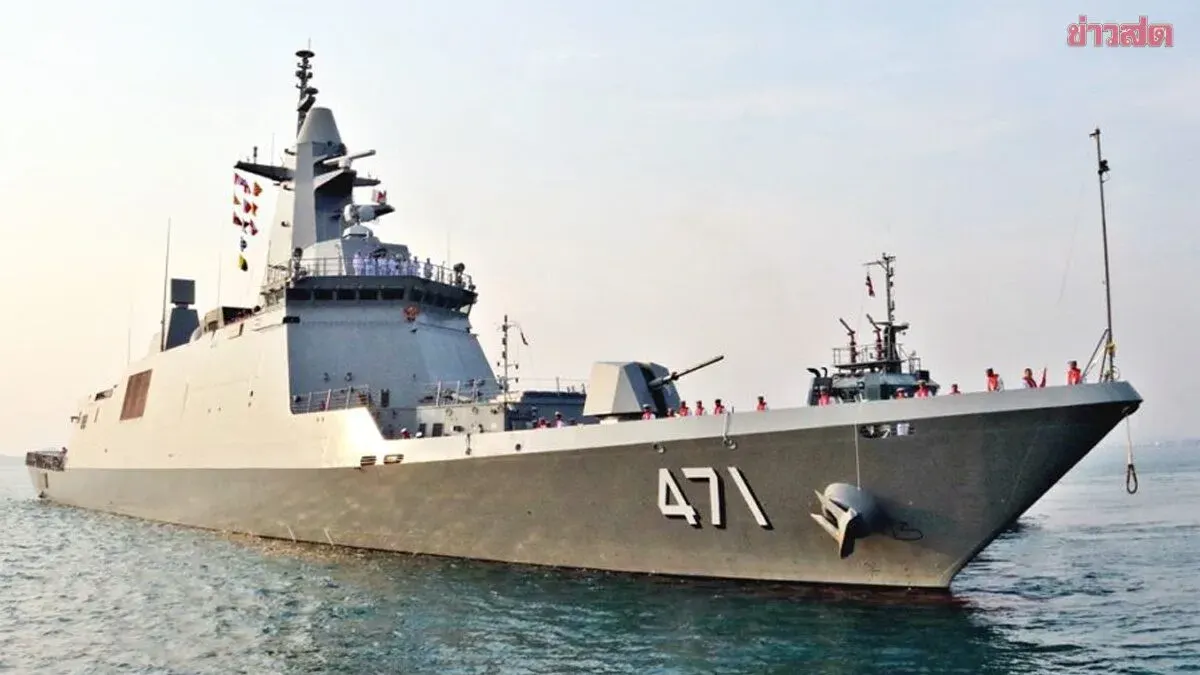
At a September 18, 2025 briefing at Navy headquarters, Thai Navy Commander-in-Chief Pairojn Fuangchan presented an update on the frigate procurement programme and opened the floor to questions from academics, journalists, and interested parties.
Academic Vanvichit Boonpraong from Rangsit University asked why a company offering a higher offset policy percentage was not selected, given that the Navy required more than 20 percent local investment. Rear Admiral Karawit Chayaratsee, commander of the Task Force, replied that Thai shipyards had not yet confirmed they could build 100 percent of the vessel domestically, so the Navy selected the winning bidder based on clear financial commitments to develop local shipyard capacity.
When asked how the Navy would ensure the new frigate does not suffer the same engine and gun problems as HTMS Bhumibol, Rear Admiral Karawit explained that the original engine failed after its warranty period ended. He attributed the failure partly to crew rotation issues that interrupted technology transfer to new personnel. The engine, an advanced MTU diesel model, was also run at "cruising speed" to save fuel, which caused carbon buildup and oil circulation blockages—similar to driving a car at 80 kilometers per hour. HTMS Bhumibol has three engines: two diesel and one gas turbine, but only the diesel engines were used due to fuel economy concerns, leaving the gas turbine idle.
To prevent recurrence, the new vessel's technical specifications now require four diesel engines instead of three, and all bidding companies have proposed this solution. Rear Admiral Karawit said the Navy is extracting lessons from HTMS Bhumibol's experience and urged public confidence in the process.
On the Phalanx CIWS gun failure, the Navy notified the original contractor, Daewoo, before Hanwha Ocean Co., Ltd. took over. The gun had operated for four years before failing, and a 1.5 billion baht warranty bond remains intact. However, the Navy has not yet decided whether to upgrade or replace the system; if a decision is delayed, the warranty bond reverts to the national budget. The Navy will need to decide soon whether to upgrade the Phalanx or procure a replacement system.