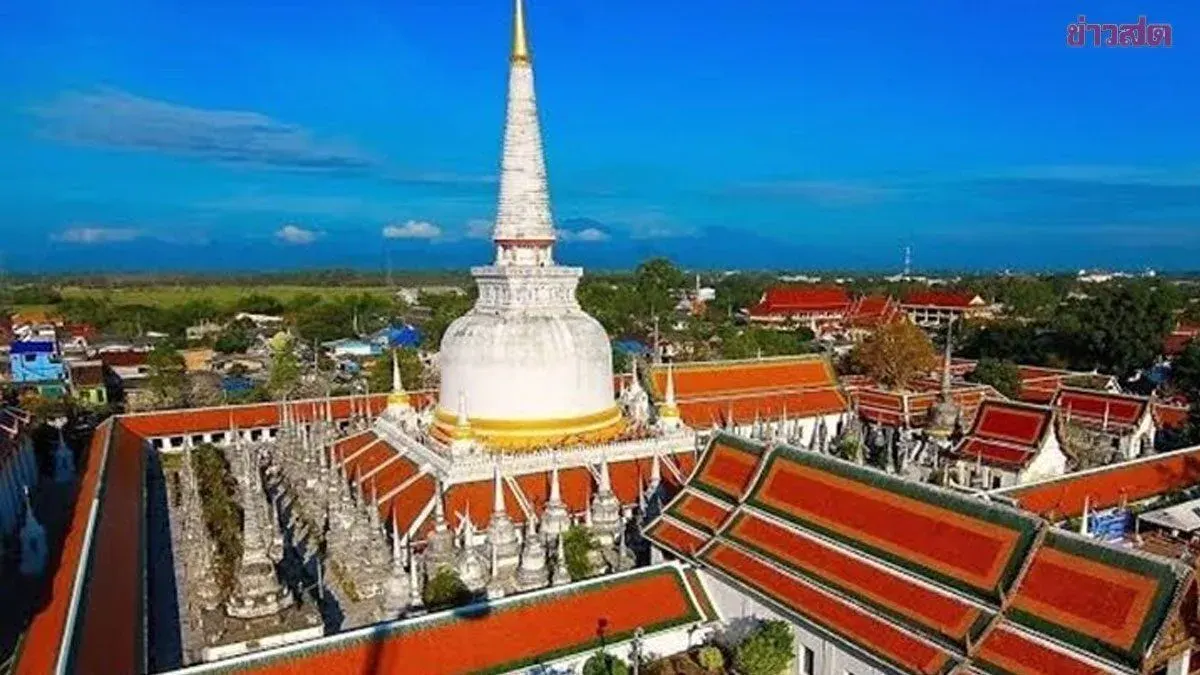
Nearly 1,000 Dancers Perform 12 Ancient Nora Moves at Nakhon Si Thammarat Stupa Festival
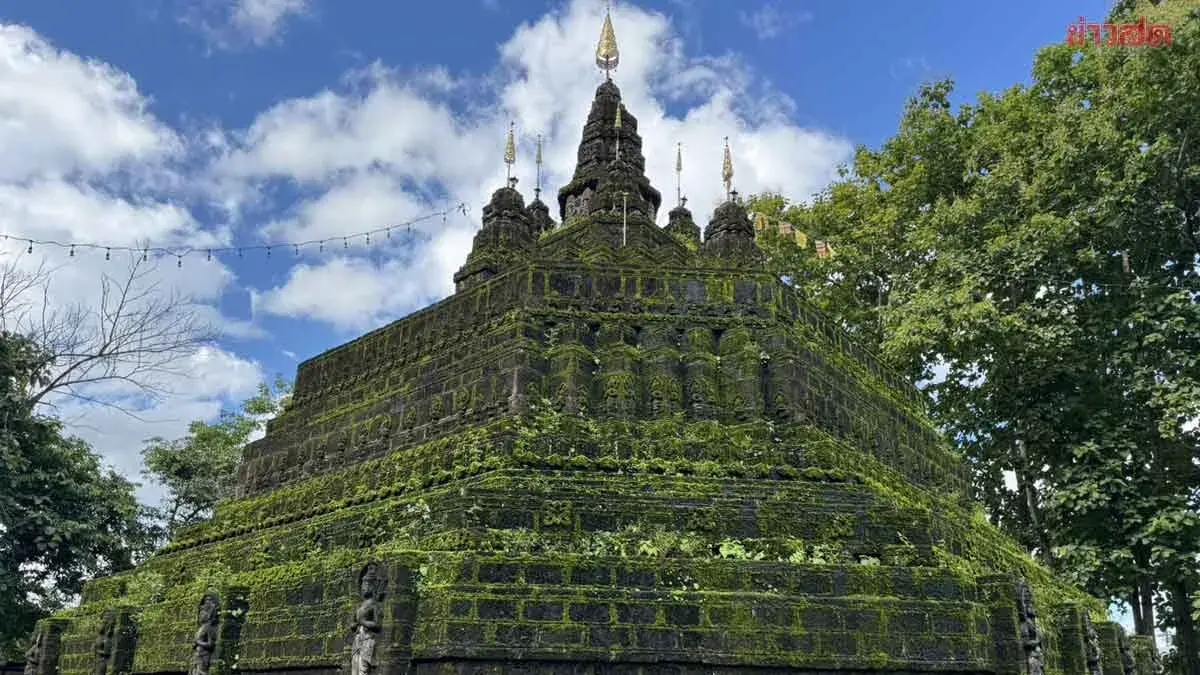
Nearly 1,000 dancers showcased all 12 traditional nora movements at Nakhon Si Thammarat's stupa festival, celebrating the UNESCO World Heritage site and the classical southern Thai dance form's cultural importance.
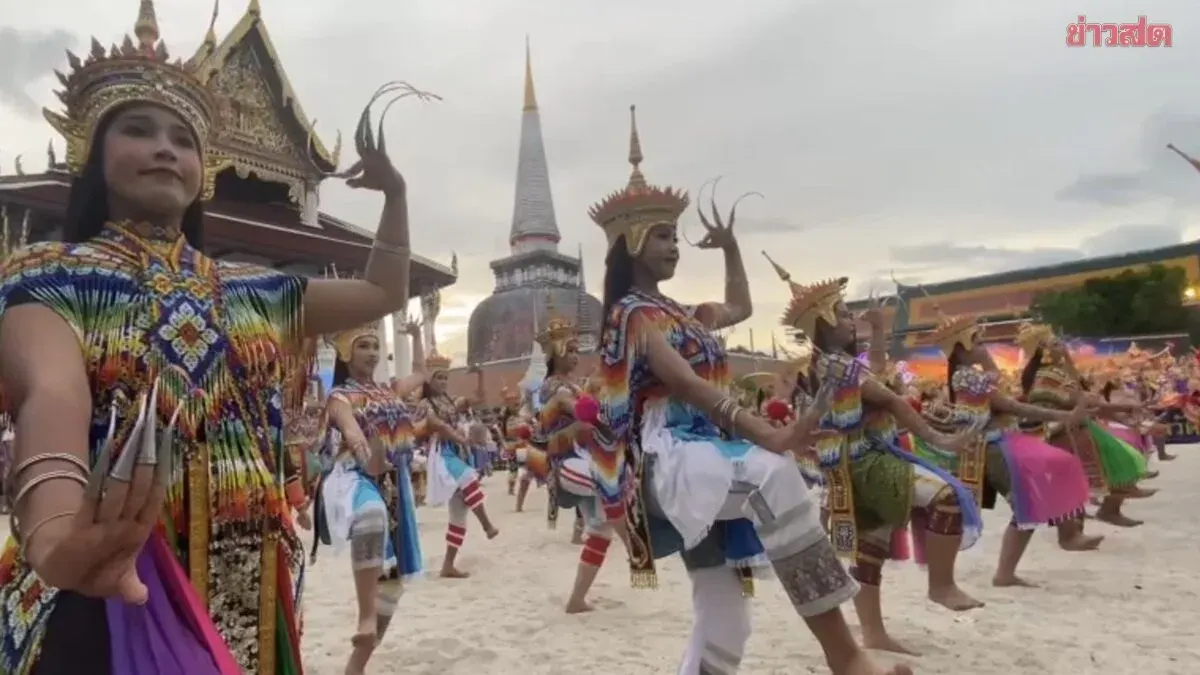
Nearly 1,000 nora dancers performed all 12 ancient nora movements during celebrations honoring Nakhon Si Thammarat's grand stupa, a UNESCO World Heritage site. The event by Nakhon Si Thammarat Provincial Administration featured each of the traditional movements: Mae Lai (opening move mimicking Thai dance grace), Rahu Catching the Moon (arms spread like buffalo horns), Kinnaree (fluttering wing movements), Chap Raban (hand undulations), Lop Chak (tilting and extending arms), Chak Noi (refined descent), Palalay (open palm rotation), Bua Toom (lotus buds), Bua Ban (blooming lotus), Bua Kli (continuous lotus petal unfurling), Bua Yem (partially opening lotus), and Mang Mum Chak Sai (spider web-spinning gestures). Nora is a classical southern Thai dance form particularly associated with Nakhon Si Thammarat and Phatthalung, recognized as part of the cultural significance that contributed to the stupa's designation as a UNESCO World Heritage site and treasure of all humanity.