OCSB Promotes Soil Model to Cut Sugarcane Costs
Thailand's Office of Cane and Sugar Board is rolling out the Nong Wua So Model, a precision-farming pilot in Udon Thani that cuts fertilizer use by up to 1,500 baht per ton through soil testing, targeted nutrient blends, organic matter restoration, and bio-fertilizers. The approach aims to boost yields, raise sugar content, and meet international sustainability standards while lowering costs for cane growers nationwide.
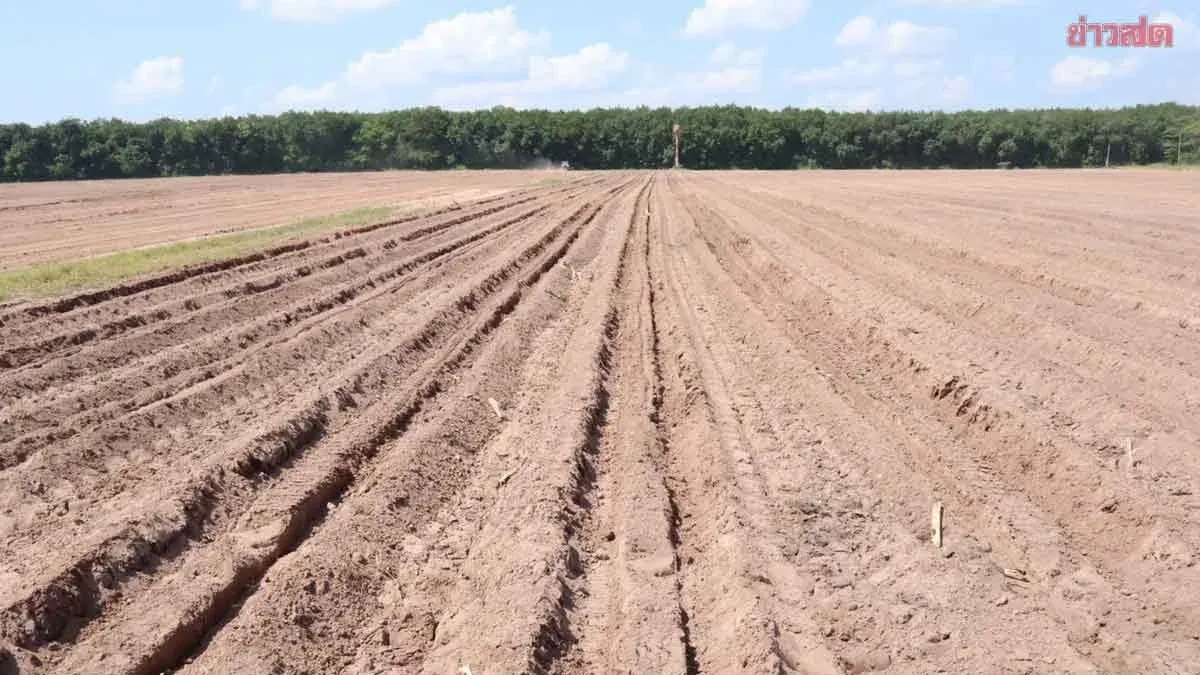
The Office of Cane and Sugar Board (OCSB) is promoting the "Nong Wua So Model" to address surging fertilizer costs that have driven sugarcane production expenses up by 1,200-1,500 baht per ton, while simultaneously restoring soil to boost yields and elevate the Thai sugar industry's sustainability.
OCSB Secretary-General Bai Noi Suwannachatree disclosed that prices of NPK base fertilizers have jumped 100-200% due to the Russia-Ukraine war and rising energy costs, burdening sugarcane farmers. In response, OCSB is accelerating cost-reduction efforts through the Nong Wua So Model, a pilot plot in Nong Wua So district, Udon Thani, that applies technology and proper soil management to improve cultivation efficiency and reduce dependence on pricey production factors.
The model's core shifts from blanket application of compound chemical fertilizers to precision farming. It starts with soil analysis in each plot to identify specific nutrient deficiencies before purchasing and blending only the required base fertilizers and soil amendments. This cuts unnecessary fertilizer use and wasted expense. Beyond lowering fertilizer costs, restoring soil structure — both physical and biological — increases organic matter and nutrient retention, ensuring long-term soil fertility. This maintains consistent ratoon cane yields, reduces the frequency of field replanting, and saves on land preparation and seed cane costs, ultimately raising farmers' net profit per rai.
For the pilot plot, OCSB has outlined an integrated three-pronged soil management approach: 1. Balance soil nutrients using natural minerals such as rock phosphate and dolomite to adjust pH, supplemented with potassium and chemical mineral fertilizers like ammonium sulfate and triple superphosphate based on soil test results. 2. Increase organic matter with organic fertilizers and legumes. Compost and manure improve soil structure for better porosity, moisture retention, and aeration. Legumes are grown as green manure, plowed under at flowering, and the field rested for 7-14 days before planting cane to naturally boost nitrogen. 3. Apply bio-fertilizers to enhance soil efficiency. Four microbial groups are introduced: nitrogen-fixing, phosphate-solubilizing, potassium-releasing, and root-growth hormone-producing bacteria. These help cane roots access nutrients more effectively.
Mr. Bai Noi stated that scientifically sound soil management enables cane root systems to spread and absorb nutrients better, reducing fertilizer loss from leaching. This offers potential for higher yields per rai and higher commercial cane sugar (CCS) values at the factory — a key factor in the per-ton returns farmers receive.
At the same time, the Nong Wua So Model aligns with sustainable sugarcane production standards such as Bonsucro and GAP by emphasizing organic matter buildup, reducing unnecessary synthetic chemicals, and minimizing environmental impact. It also supports the BCG economic model's focus on resource efficiency and biodiversity conservation to strengthen the global competitiveness of Thailand's cane and sugar industry.