Officials Urge Stop to Rubber Tree Felling Amid Livelihood Concerns
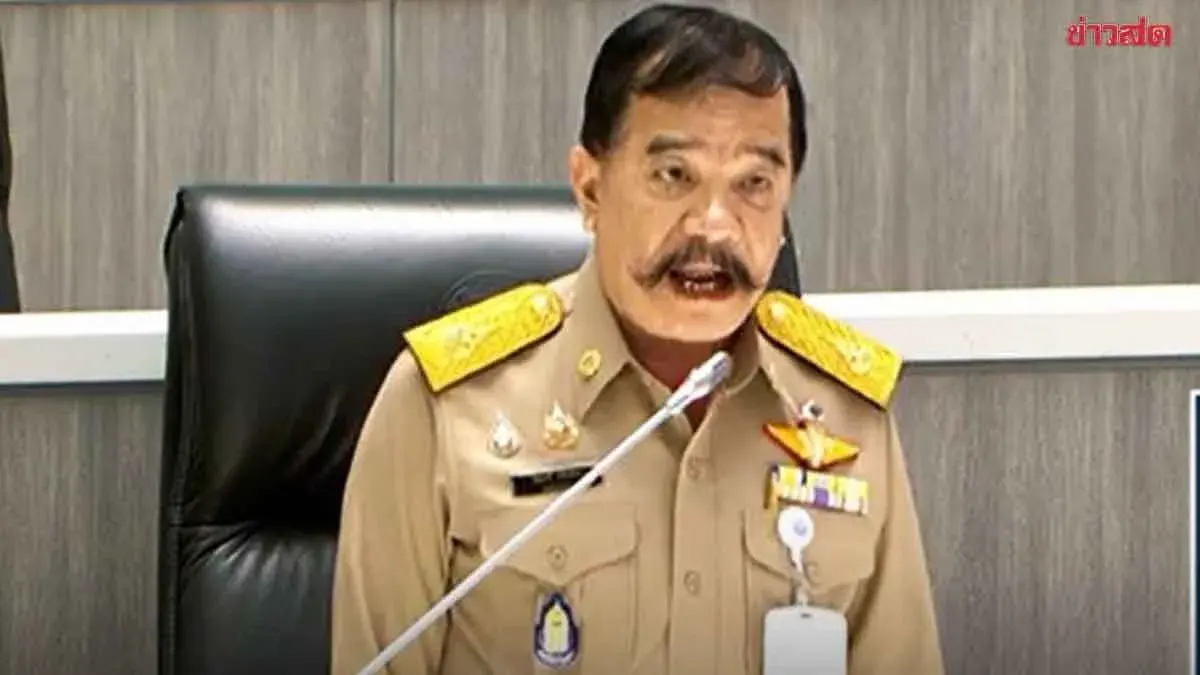
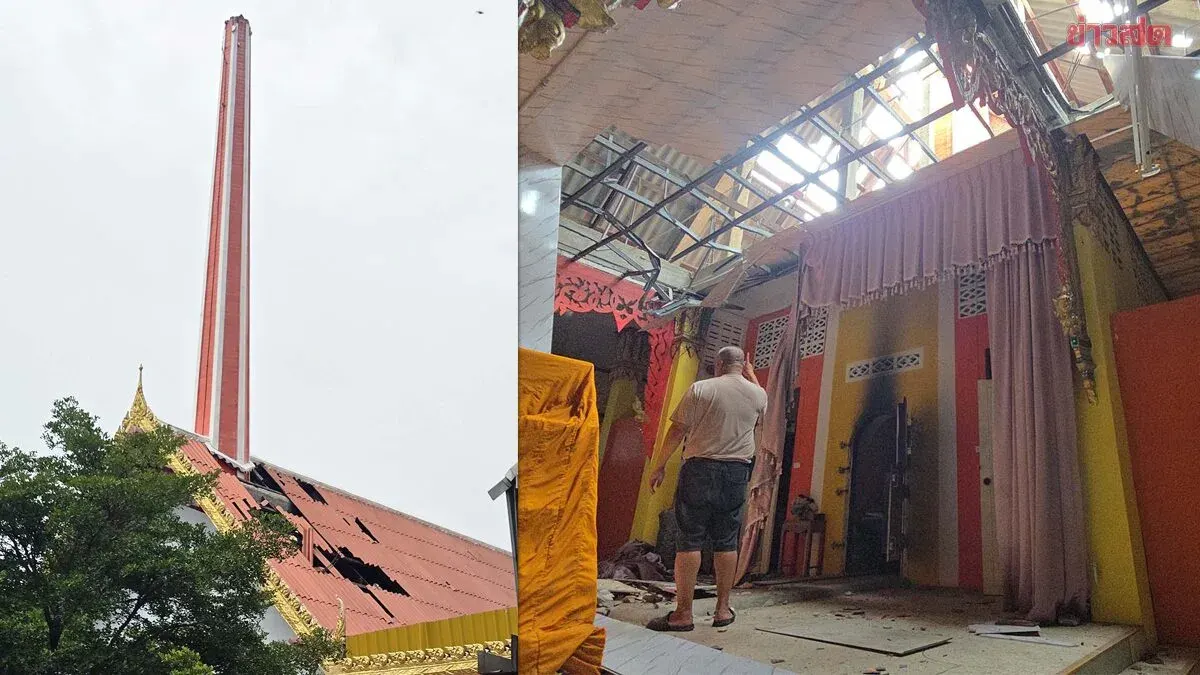
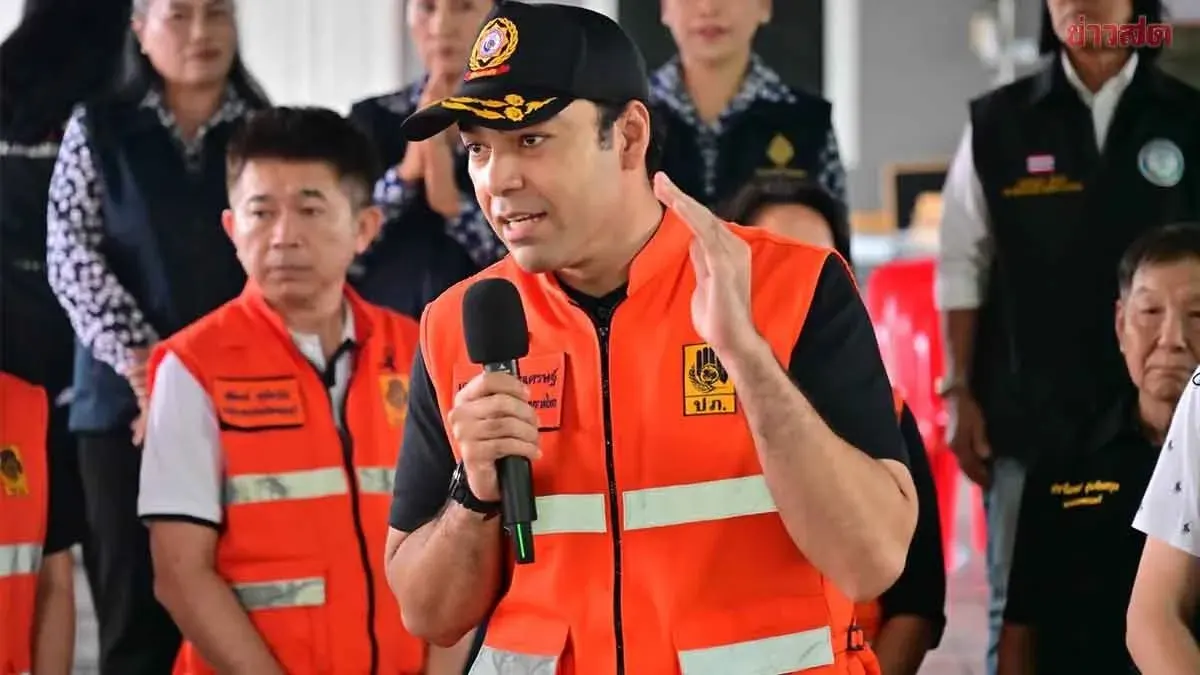
Police Colonel Tawin Santi urged authorities to stop the cutting of rubber trees in Thung Yai, Nakhon Si Thammarat, warning that 66 tappers and about 200 family members risk losing their livelihoods while ownership rights remain disputed. He noted that although a logging permit allows the Forest Industry Organization to cut over 130,000 trees, the Rubber Authority has requested a suspension pending clarification of rights and to prevent irreversible loss. The colonel called for joint verification of ownership, transparent sharing of documents, and protection plans for affected workers before any further felling proceeds.
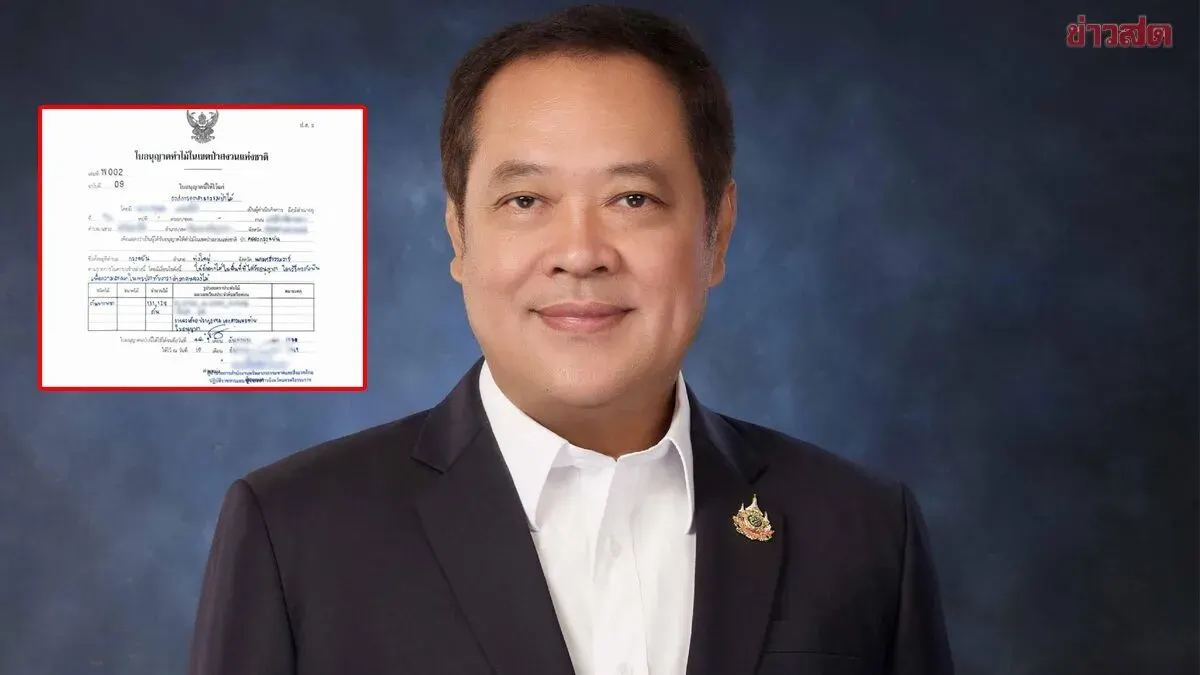
Police Colonel Tawin Santi of the Prachachart Party warned on October 12, 2026 that rubber tappers in Thung Yai face losing their livelihoods as the state continues to dispute ownership of the rubber trees. He said the cutting of rubber trees in the Klong Krung Yan forest of Thung Yai district, Nakhon Si Thammarat province, affects state property and the incomes of 66 tappers and about 200 family members who rely on the productive trees. Although a national forest reserve permit (Por Sor 2, volume P 002, issue 09, dated September 10, 2026) grants the Forest Industry Organization authority to cut 131,128 rubber trees, a letter from the Rubber Authority of Thailand’s Rubber Plantation Management Division 2 dated October 5, 2026 requested suspension of logging on 2,107 rai 86 square wa, asserting that the Authority still holds, harvests, and has not transferred the area to the province. Despite an administrative ruling that grants the Forestry Department power to allow provincial land allocation for agriculture, disagreement remains over whether the trees are part of the land or separate property planted under permit, prompting the Authority to seek clarification from the Ministry of Natural Resources and Environment before any irreversible felling. The colonel added that complaints about armed guards accompanying the logging operations heighten the need for verification and prevention of confrontations, warning that asset disputes should not become a threat to public safety. He compared the situation to expired palm‑oil plantation permits in Surat Thani, Krabi and Chumphon, where idle land remains while poor communities’ access to livelihood is delayed, urging the ministries of Agriculture and Cooperatives, Natural Resources and Environment, the Rubber Authority, the Forestry Department, the Forest Industry Organization and the provincial authorities to halt cutting, release maps and permits, jointly verify rights with tappers, devise income‑support plans, and provide security through local officials and police.