Oil Prices Rise Again as Floods Hit Thailand
Oil prices rose 0.75 baht per litre on 9 October as floods hit many provinces including Bangkok, increasing living costs especially for low‑income earners. The price rise, driven by global crude markets and geopolitical tensions, adds to flood‑related expenses for home repairs, transport, and essential goods. The government is urged to manage flood relief, control prices, and support vulnerable groups transparently.
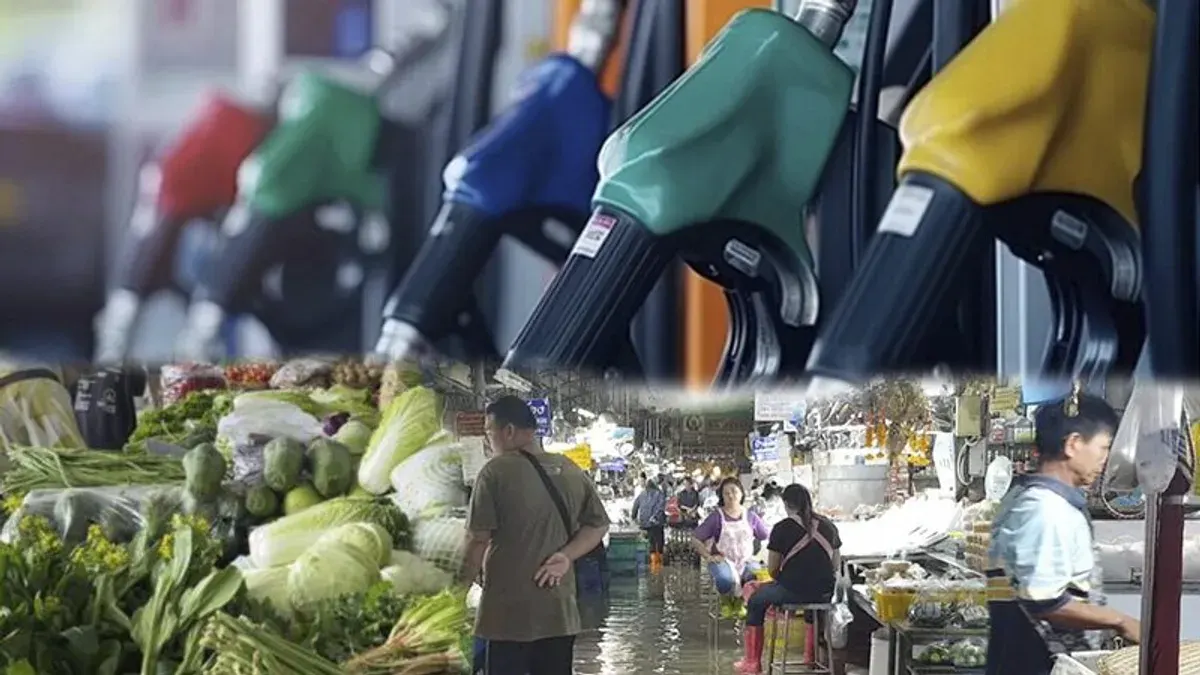
While floods devastate many regions, the surge in oil prices compounds hardship for residents. The price hike, driven by world crude markets and geopolitical conflict, raises transport and living costs, especially for low‑income households and small businesses forced to absorb costs or raise prices. Flood victims face extra expenses for home repairs, essential goods, and rebuilding, while also confronting higher travel and transport fees. If farmland is damaged and transport routes blocked, fresh vegetable and consumer prices may rise further. The editorial argues that the government must manage floods effectively, deliver timely relief, monitor essential‑goods prices, prevent opportunistic hikes, and disclose cost data transparently. Oil‑price support measures should consider public purchasing power and the Fuel Oil Fund’s health, targeting vulnerable groups without unfunded spending. Ultimately, the authorities must demonstrate they can handle multiple crises at once, not just tackle issues piecemeal.