Patients Report Abuse, Filthy Conditions at Samsuk Facility
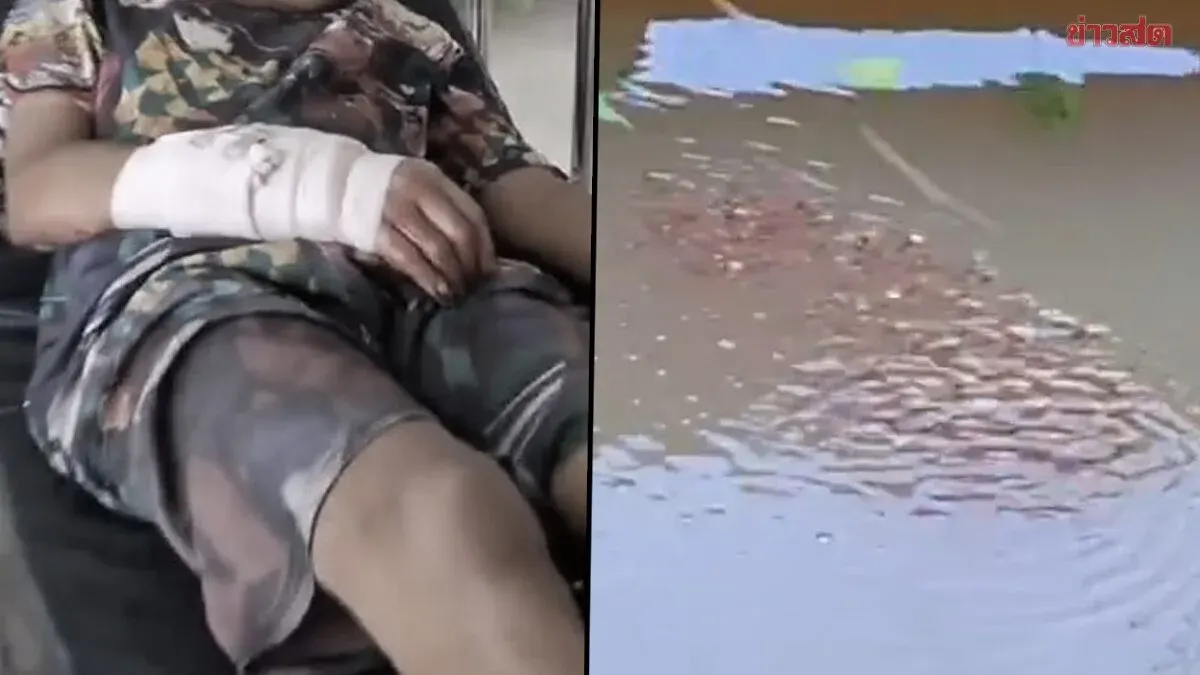
A former patient alleges that staff at Samsuk Home physically abused residents, forced them to drink tap water, and kept them in unsanitary conditions that caused skin disease. She says she was chained, beaten, and nearly took her own life before staff intervened and sent her to hospital. She calls for an investigation to free others still detained there.
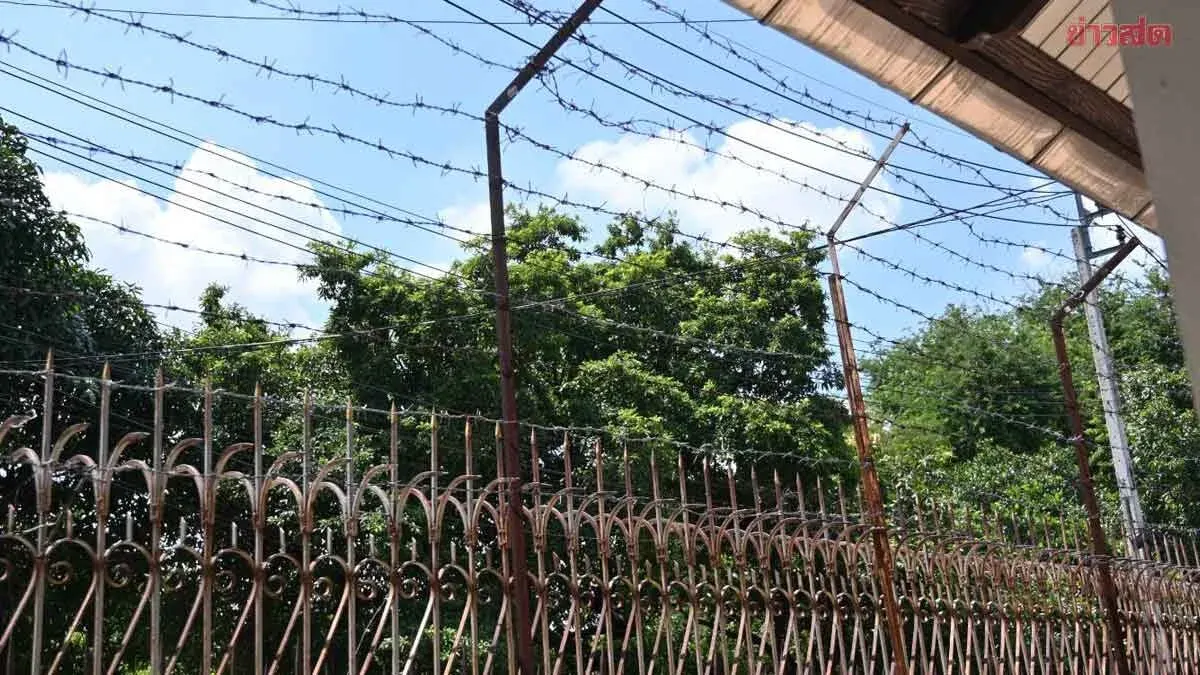
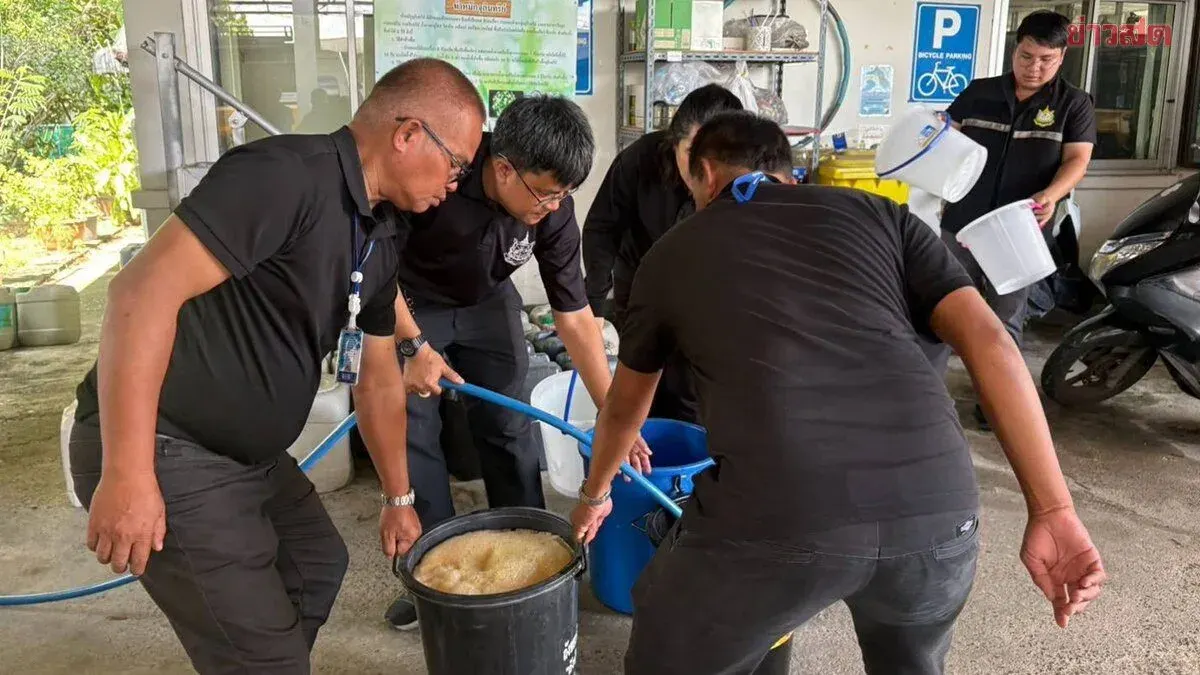
After arriving, a staff member often used violence against patients. When speaking, she felt emotional because she was frequently subjected to verbal abuse and beatings. The center had three caretakers who were not nurses but ordinary people. The bathroom had no door; when showering, they had to bathe naked. Patients unable to care for themselves had to be bathed by others, while caretakers provided no help. She could not understand why, after receiving a monthly salary of 20,000–22,000 baht, they were expected to care for each other. If patients did not obey, they would be chained and beaten. Sometimes if a patient became violent or harmed others, both would be chained and left to hurt each other. Regarding food, A said they could not eat; it felt like eating chicken and pig ghosts. They lost a lot of weight, lacked nutrition. The house was very dirty, causing her to develop skin disease all over her body. She still needs skin disease treatment; each outing requires paying a caretaker 2,000 baht to accompany her. The room she slept in is a regular room; staying in a normal room incurs no extra fee, but an air‑conditioned room costs an additional 5,000 baht. A said the center still made patients drink tap water, leading to protests requesting a water dispenser or cold water, which the center denied. The house she stayed in is the old women's zone in Soi Rae Dee, with about 40 people, roughly 15 elderly and the rest teenagers. A said the situation was unbearable, feeling like hell, prompting her to consider ending her life in the room, but staff broke down the door and helped her, performing CPR. She later woke up at Sri Thanya Hospital, received treatment until recovered, and now her condition is normal, though she remains emotionally affected when discussing it. A confirmed that the place is not a rehabilitation center but a detention facility confining both normal and abnormal individuals, causing more patients to accumulate. Moreover, some people in the center are actually normal; she believes they have been forgotten and the center claims their condition hasn't improved to keep them detained and continue collecting money. While she was there, she was constantly given sleeping pills; she still has many friends there, feels sorry for them, and wants an investigation so they can live normally.