PTT Seeks Partners for Downstream Restructuring, Targets 10 Million Tons LNG by 2030
The user wants a short summary of the article about PTT's restructuring plans and LNG targets. Let me identify the key points: 1. PTT CEO Kongkrapan Intarajang announced plans to strengthen downstream business amid market volatility 2. PTT
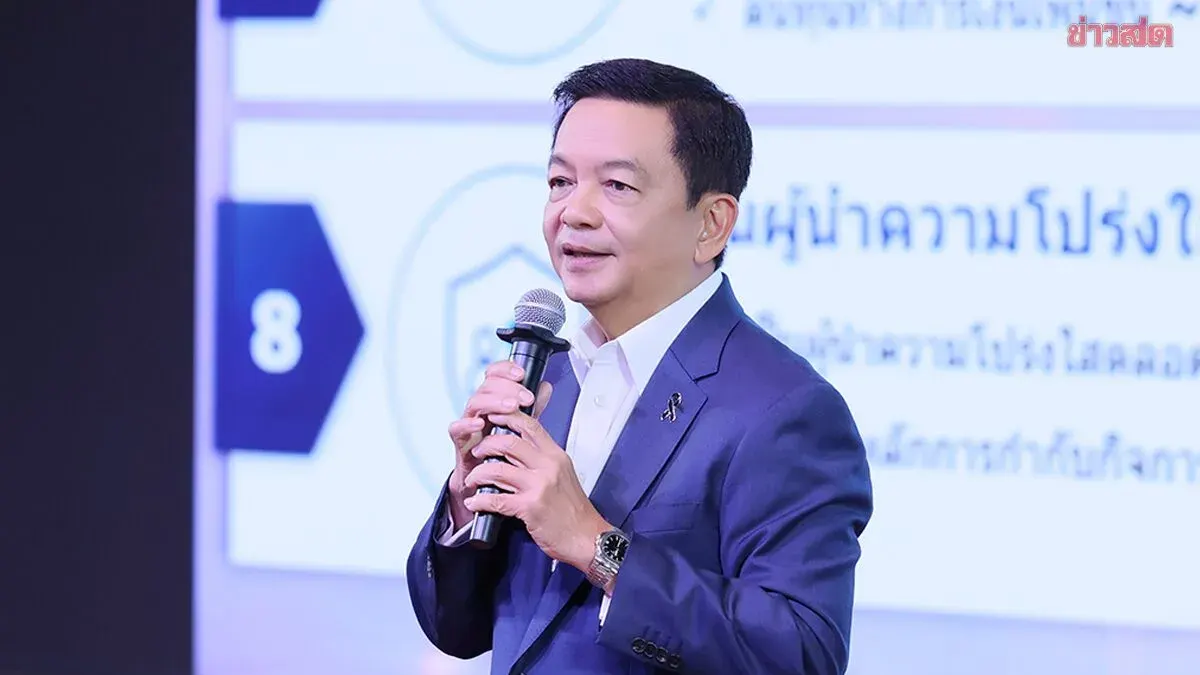
PTT CEO Kongkrapan Intarajang said the group is working to strengthen its long-term business amid global economic and energy market volatility, particularly in downstream refining and petrochemicals, which face export market constraints forcing production cuts. PTT Global Chemical (GC) has reduced operating rates to around 80-90% or lower, while PTT advances planned cooperation between GC and SCG Chemicals to bolster Thai petrochemical operators and secure domestic feedstock supply, reducing import dependence during shortages.
Kongkrapan emphasized that plastic resins and petrochemicals are vital to Thailand's economic and industrial security, so PTT prioritizes long-term competitiveness and resilience over short-term profit.
Under Project Genesis, PTT is negotiating with multiple partners to strengthen downstream operations, open to structures including separating or combining refining, petrochemical, or fertilizer businesses. Key partner criteria include feedstock security and/or market access. Clarity is expected by year-end.
PTT's future investment will focus on three areas: exploration and production for energy security; LNG value chain emphasizing trading, which requires less capital than large infrastructure; and infrastructure to support energy demand and economic development. LNG trading targets are over 3 million tons this year, over 4 million next year, and 10 million tons by 2030, with plans adjusted to market supply and demand. However, Red Sea instability linked to Houthi activity has forced some energy vessels to reroute around Africa, increasing voyage times and freight costs — a factor to monitor in international energy management.
Kongkrapan noted that energy markets are cyclical and volatile; organizations must build flexibility and crisis resilience rather than panic over oil prices, maintaining prudent liquidity management and saving during profitable periods to withstand downturns.
On energy security, PTT stated Thailand can still source feedstock for refining and gas separation, with about 60% of natural gas from the Gulf of Thailand and Myanmar, and 40% imported as LNG. Crude oil remains 90% import-dependent, underscoring the urgency of energy efficiency to mitigate risk.