Rights Group Alleges Widespread Fraud in Senate Election
A rights group presented statistical evidence and witness accounts alleging systematic fraud in Thailand's recent Senate election, including vote-buying operations, duplicate ballots, and coordinated voter transportation across multiple pro
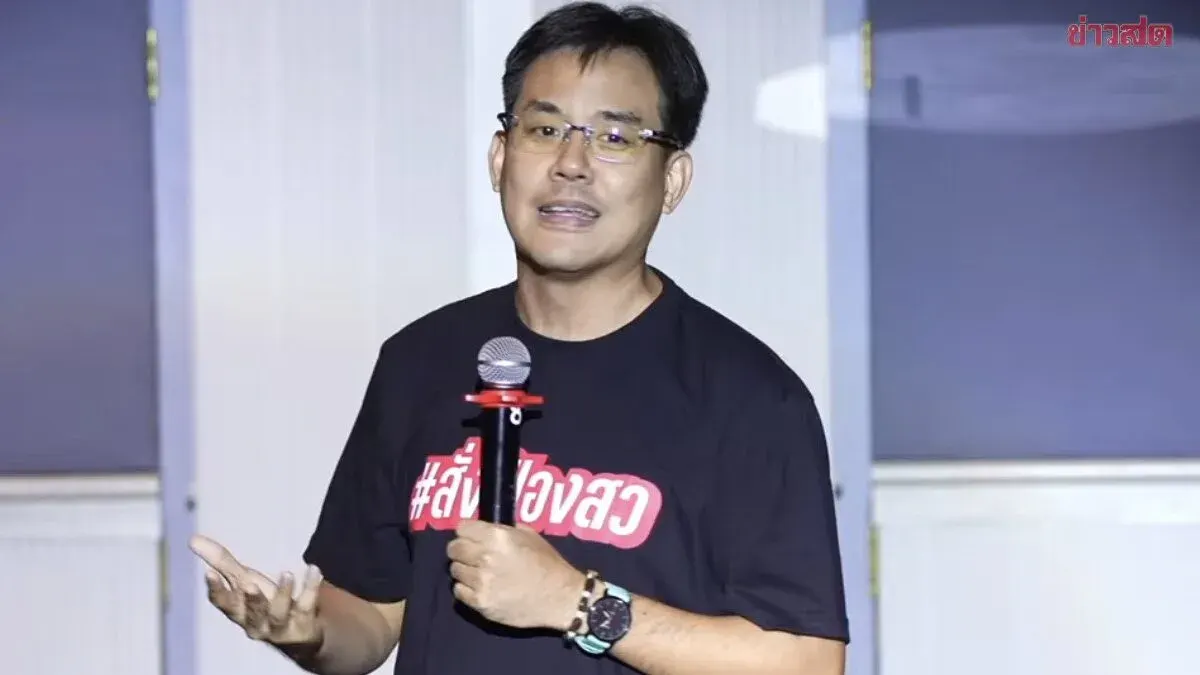
At a lecture on 23 August 2024 at Maroay Garden Hotel, iLaw Director Yingluck Achananon presented allegations of systematic fraud in the recent Senate election. According to documents from the Department of Special Investigation, coordinated groups wore yellow shirts matching Electoral Commission uniforms and used white vans, pickup trucks, and black vans registered in Buriram and Bangkok to transport voters on election day. Statistical analysis found six candidates received identical scores in 20 groups, with odds of 1 in 5.56 quintillion.
Achananon also documented duplicate ballots across multiple candidate groups—20 in Group 4, 18 in Group 9, 22 in Group 10, and 13 in Group 13. He revealed the elected Senate includes 46 former civil servants and 58 entrepreneurs, but no elderly people, disabled persons, ethnic minorities, or LGBTQ+ representatives. Further investigation uncovered family relationships between elected Senators and members of the Phue Thai Party, as well as connections to former House members and advisers to ministers.
The evidence suggests a large-scale vote-buying operation coordinated through "dealers"—intermediaries such as parliamentary staff, relatives, or spouses of candidates. Money trails were traced through Nong Bua Lamphu and Lamphun provinces before the election, and during the nomination period candidates were gathered at hotels where phones were confiscated, ballots were distributed, voting numbers were assigned, and benefits for following the scheme were promised. Achananon called on the Electoral Commission to refer all evidence to courts rather than exercise discretion, warning that the scale of the operation involved numerous Senators, House members, dealers, and voters.