Roi Et PB United Denies Surgery-Linked Contract Termination
Roi Et PB United, a Thai League 3 club, said it terminated defender Piyachanok Darit’s contract for reasons unrelated to his recent cyst surgery and recovery period. The club stated the decision was based on the player’s overall professionalism, communication, and team participation, not his medical condition. It added that Darit failed to provide medical certificates or coordinate with the team’s medical staff during his injury leave.
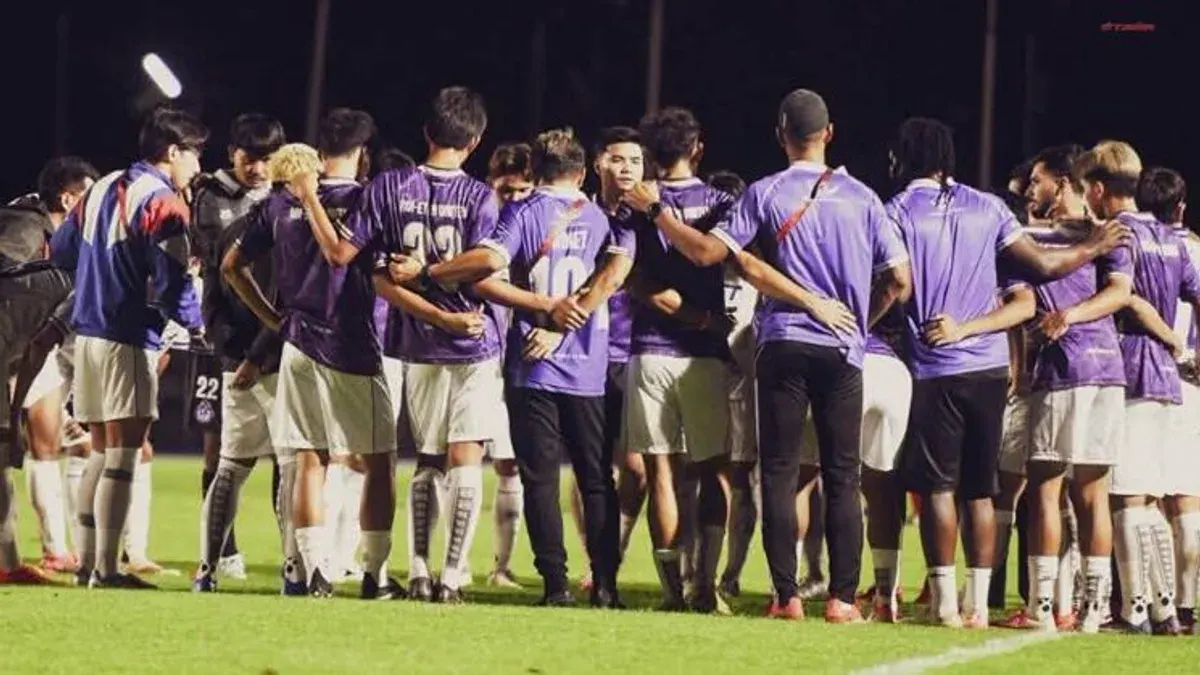
Roi Et PB United, a Thai League 3 team, released a statement explaining why it ended the contract of defender Piyachanok Darit. The player had claimed he was told his contract was terminated while he needed surgery for a cyst at the back of his neck and was recovering. Assistant coach Kacha Chanthawongseason responded on social media, saying the player lacked professionalism and never submitted a leave request. The club said the decision was not based on the surgery, injury, or recovery period, emphasizing that it always prioritizes players' health and would never force anyone to train against medical advice or when unfit. It explained that the termination came from an overall assessment of the player’s duty, responsibility, communication, team participation, cooperation in treatment, discipline, and adherence to professional standards as outlined in the contract. During the recovery phase, the club had asked the player to contribute in ways that did not affect his treatment, such as observing training, helping with match preparation, and advising younger players, but not to train before he was ready. The club noted that Darit never provided medical certificates or leave documents, nor did he consult or coordinate with the team’s medical staff, preventing staff from monitoring his condition, liaising with his doctor, or planning rehabilitation. Information about his treatment was unclear and inconsistent, lacking official confirmation of the surgery date throughout his absence. While acknowledging that injury can prevent normal training, the club pointed out that other injured players still attend rehabilitation with the team, watch training, mentor juniors, and participate in what they can. Therefore, the issue was not about the player needing rest and missing training, but about his responsibility, communication, cooperation in treatment and recovery, and his willingness to fulfill team duties to the extent possible. After reviewing all the facts, the club concluded the decision was based on a comprehensive evaluation of his performance, commitment, teamwork, discipline, physical condition, and professional standards—factors the contract allows the club to consider when managing the squad.